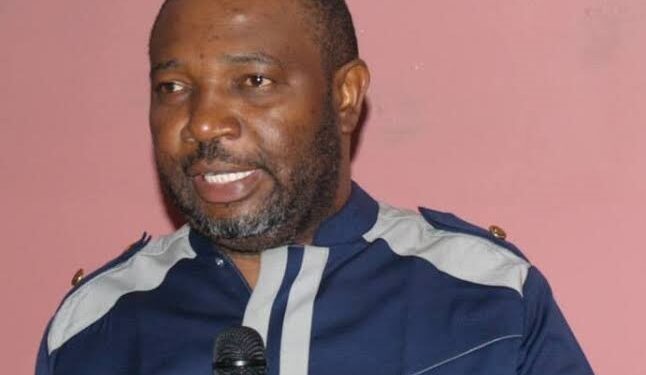
Mr Eugene Nweke, Head Researcher, Sea Empowerment and Research Centre (SEREC), has attributed the recurring boat mishaps across the country to non-compliance by boats operators and inadequate monitoring by regulatory bodies.
Nweke said this in an interview with the News Agency of Nigeria (NAN) in Abuja on Monday.
He said that in spite of government’s efforts to improve safety on inland waterways, boat mishaps continued to occur, stressing the need for stronger monitoring and enforcement mechanisms.
Nweke said that safety interventions must move beyond sensitisation to sustained compliance and monitoring nationwide.
According to him, the boat mishap that occurred in Sokoto on Aug. 20, is another reminder of the dangers confronting passengers and operators on Nigeria’s inland waterways in spite of existing safety measures.
“Authorities must strengthen routine inspections of vessels, monitor operators’ compliance with safety regulations and ensure that passengers were provided with functional life-saving equipment before embarking on journeys.
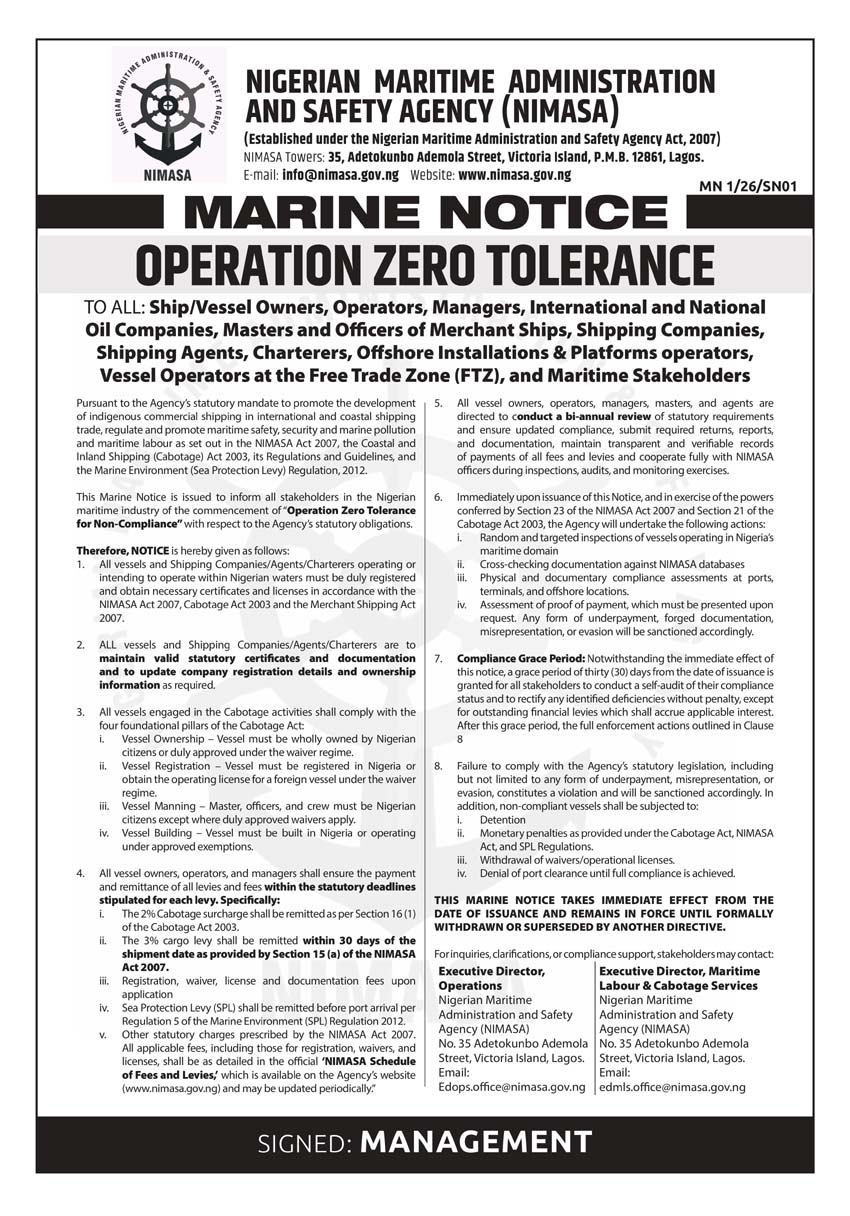
“Government agencies have introduced various measures to reduce boat accidents, but the continued incidents suggest gaps between policy implementation, enforcement and effective monitoring.
“Safety measures cannot end with regulations or sensitisation campaigns; there must be continuous monitoring to ensure that operators comply with established standards and passengers are adequately protected,” he said.
Nweke said monitoring should include verification of boat registration, seaworthiness, passenger capacity, availability of life jackets and competence of operators navigating the nation’s waterways.
He urged relevant authorities to intensify surveillance of waterways, particularly in communities where water transportation remains a major means of movement and where enforcement structures may be limited.
The SEREC researcher said authorities should also strengthen reportage of accidents and data collection to identify high-risk routes, recurring causes and operational weaknesses requiring targeted safety interventions.
“Every mishap should provide an opportunity to identify what failed, whether equipment, regulation, enforcement, weather assessment or human judgment, and ensure that such gaps are addressed,” he said.
He called for closer collaboration among the National Inland Waterways Authority, Marine Police, state waterways authorities, local councils and communities to improve surveillance and information sharing.
Nweke also recommended regular safety audits and mandatory certification for boat operators, noting that preventive monitoring would be more effective and less costly than responding after accidents had occurred.
He said community members and passengers should equally be encouraged to report unsafe vessels, overloading, absence of life jackets and other practices capable of compromising safety on waterways.
“Government efforts are commendable, but their effectiveness will ultimately depend on consistent enforcement, effective compliance and the ability of regulators to identify and correct safety breaches before accidents happen,” he said.
Nweke said a coordinated national water safety framework would provide clearer responsibilities for agencies, improve accountability and help Nigeria reduce fatalities while developing inland waterways as a reliable transportation network.
He therefore urged stakeholders to treat recurring boat mishaps as a national safety concern requiring sustained investment, stronger regulation and continuous monitoring rather than isolated responses after tragedies.