The Registrar of the Council for the Regulation of Freight Forwarding in Nigeria (CRFFN), Mr. Kingsley Igwe, has made a passionate appeal to the Minister of Marine and Blue Economy, Adegboyega Oyetola, for the provision of financial subventions and funding mechanisms to rescue Nigeria’s freight forwarding industry from lingering economic constraints.
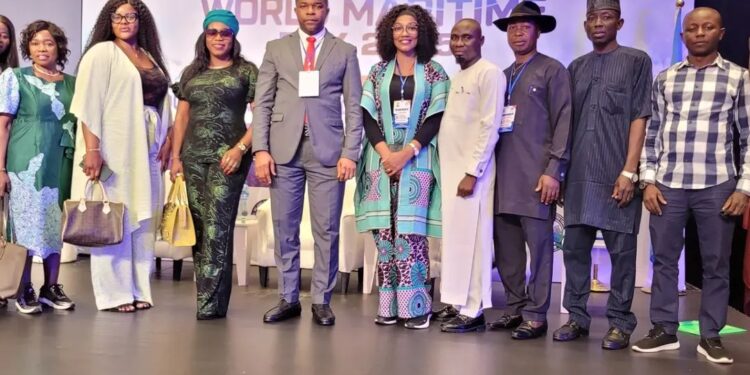
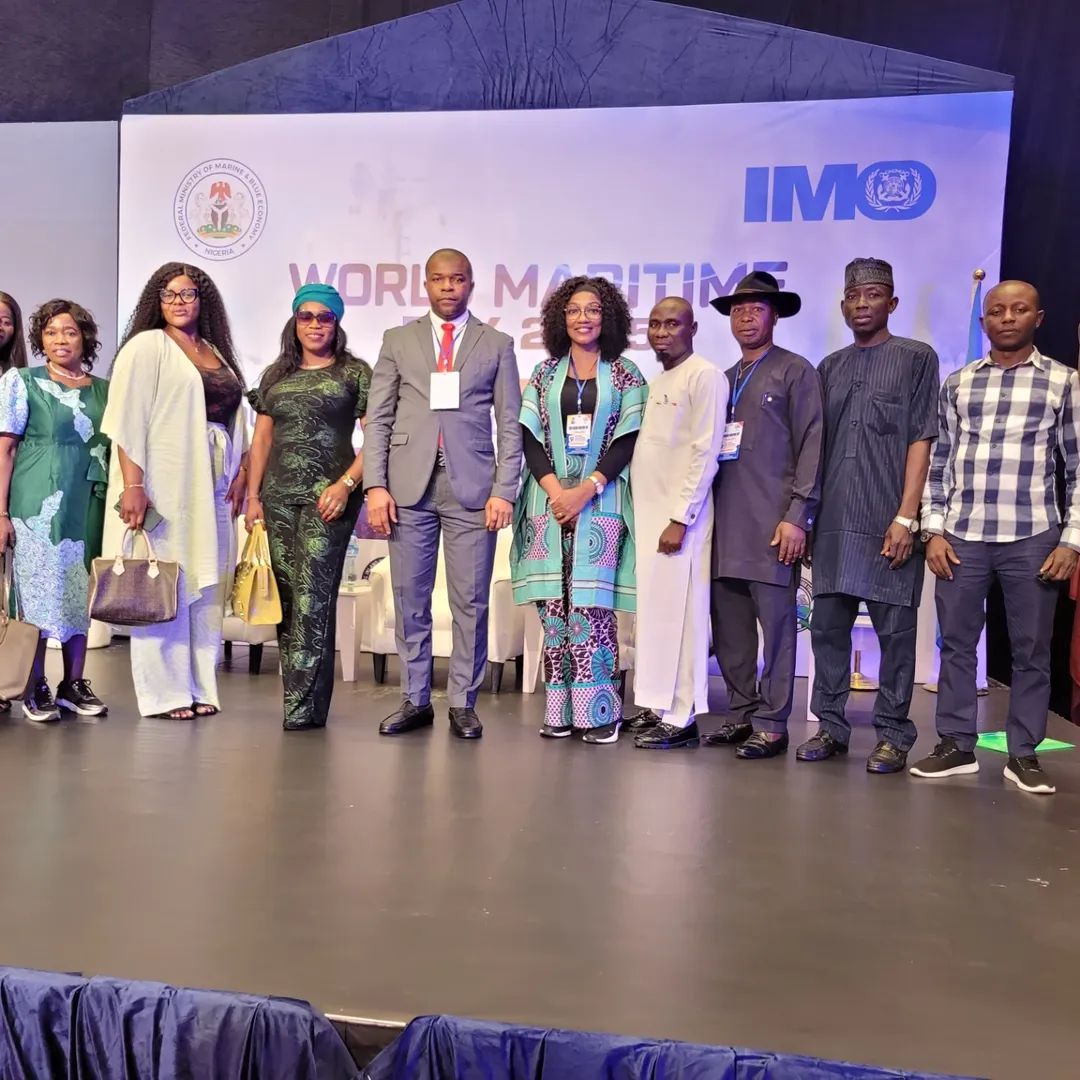
Speaking during an interactive session at the 2025 World Maritime Day celebration in Lagos, Igwe lamented that the freight forwarding subsector—despite its strategic role in the country’s maritime value chain—has continued to suffer neglect in terms of access to capital and government-backed financing initiatives.
Addressing the minister directly, the CRFFN boss stressed that freight forwarding remains a key driver of Nigeria’s maritime economy, contributing significantly to the nation’s Gross Domestic Product (GDP) and government revenue through duty collection and trade facilitation. He noted that the sector generates an estimated $10 billion annually, yet lacks the financial backing required to sustain growth and competitiveness.
Your Excellency, Honourable Minister, the substance of freight forwarding is capital-intensive. Freight forwarders are the ones who generate the duties being paid to government, and the business contributes nothing less than $10 billion to Nigeria’s GDP. Yet, funding for the sector has never received the significant attention it deserves,” Igwe declared.
The registrar expressed concern that most corporate freight forwarding services in Nigeria are dominated by foreign companies, leaving indigenous operators at a competitive disadvantage. According to him, statistics indicate that between $6 billion and $9 billion flows annually into the coffers of international firms providing freight services, while local players struggle to raise the capital needed to scale their operations.
“If Nigerian freight forwarders are provided with financial subventions or access to structured funding such as bonds or low-interest loans, they will be able to acquire their own warehouses, properties, or even logistics hubs. This will not only strengthen their businesses but also boost government revenue and create more jobs within the maritime economy,” he added.
He urged the Marine and Blue Economy Ministry to urgently develop a financial intervention framework to support indigenous freight forwarders, similar to schemes provided to other critical sectors such as agriculture and manufacturing. Such a policy, he said, would empower local operators to compete favorably with foreign firms, reduce capital flight, and deepen Nigeria’s participation in global logistics and supply chains.