By Joshua Yousouph
Experts and stakeholders in Nigeria’s maritime sector have called for the establishment of a dedicated Coastal Resilience Fund to finance coastal protection, infrastructure development and the empowerment of vulnerable coastal communities as part of efforts to unlock the country’s blue economy potential.
The call was made at the 4th Ehingbeti Blue Economy Hub held on Thursday at the Oriental Hotel, Victoria Island, Lagos, where stakeholders also emphasised the need for stronger regulatory and maritime security frameworks to support sustainable coastal development.
Delivering the keynote address, a Senior Advocate of Nigeria and Principal Partner, Jean Chiazor & Partners, Mrs. Jean Chiazor Anishere, said Nigeria could no longer afford to treat its coastal and marine resources merely as sources of extraction without putting in place the governance structures required to sustain them.
According to her, the country’s blue economy has enormous potential to diversify the economy, create jobs, strengthen food security, develop coastal communities and attract investment, but this can only happen where there is effective governance.
“The ocean does not organise any produced prosperity. Governance does,” she said.
Anishere said the proposed Coastal Resilience Fund should support coastal protection, infrastructure development and community empowerment, while also providing a mechanism for Nigeria to attract climate financing from international funds and multilateral organisations.
She urged the government to empower coastal communities, provide waste-management infrastructure, promote education on recycling and sustainable fishing, and create an enabling environment for private-sector investment in blue tourism, resilient infrastructure and other marine-based enterprises.
She identified security, sustainability and governance as critical pillars for the successful development of Nigeria’s blue economy, stressing that the regulatory environment must provide certainty for investors while remaining flexible enough to encourage innovation and environmentally responsible development.
“Let us therefore move from policy to implementation, from fragmentation to coordination, and from resource exploitation to sustainable resource governance. The time to solve Nigeria’s blue economy is not tomorrow, it is now,” she said.
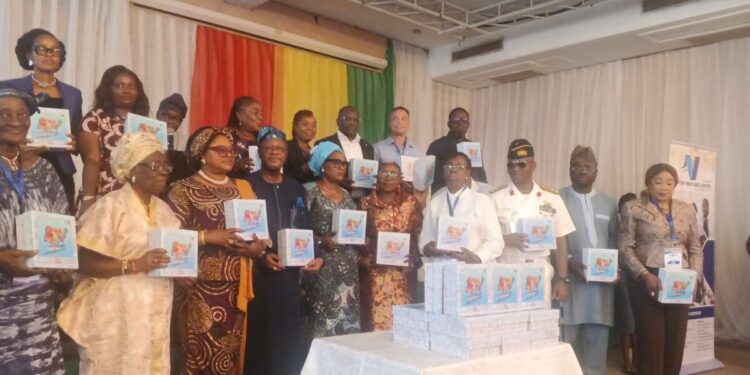
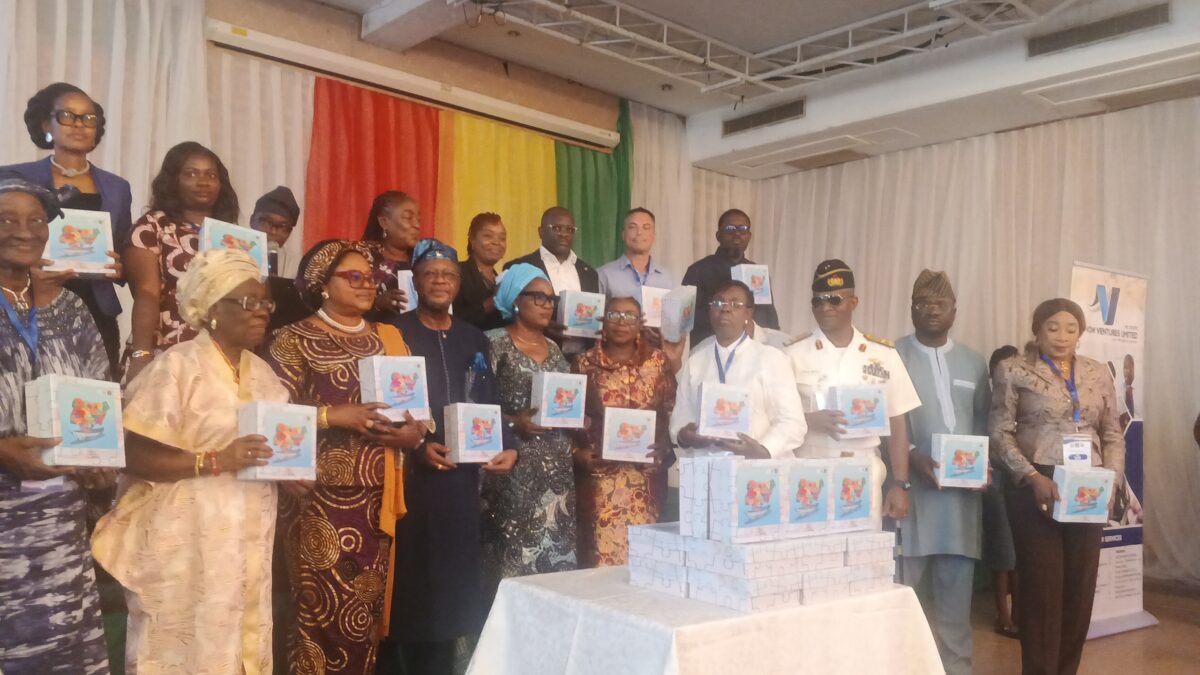
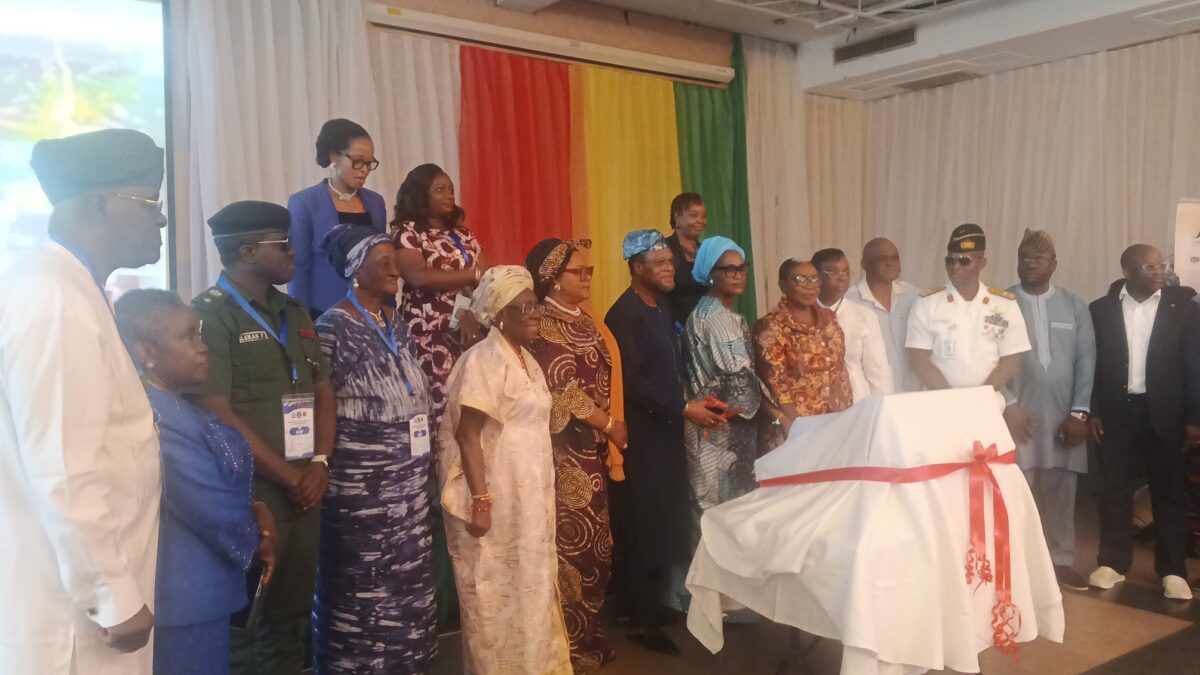
The call came as the Hub officially launched the 28 Inland Waterways Investment Jigsaw, an initiative designed to draw investors’ attention to investment opportunities across Nigeria’s inland waterways.
Speaking on the initiative, the Founder of Ocean Ambassadors Foundation and Convener of Ehingbeti Maritime Hub, Hon. Olaitan Violet Williams, said the jigsaw was developed to help investors identify opportunities beyond Lagos and understand the investment potential available across the country’s 28 inland waterways.
“Most people don’t know that we have 28 inland waterways in Nigeria. So for anybody that wants to invest in inland waterways, if you look at that jigsaw puzzle, you should know that aside Lagos, my state in Sokoto has water so I can actually go back to my state to start something. Ondo has water, we can go back there and from there we begin to spread,” she said.
Williams said the initiative was also intended to support the development of Nigeria’s extensive inland waterways network and encourage investment in communities outside the traditional maritime centres.
“The 10,000 kilometres before you know it will be navigable and the connecting docks are there. So that is the simple reason why I had to do it, for every investor to know where you can invest in,” she added.
She stressed that investment in the waterways could not be separated from the availability of insurance and banking services, describing the two sectors as critical components of a sustainable investment framework.
“There is nothing you can do if you don’t have the insurance, if you don’t have the bankers before you can start to do anything,” Williams said.
Also speaking, the Chairman of the Governing Board of the Nigerian Inland Waterways Authority, Alhaji Mukhtar Shehu Shagari, represented by the President of the Nigerian Association of Master Mariners, Capt. Tajudeen Alao, emphasised the importance of strengthening Nigeria’s regulatory framework for sustainable coastal and inland-waterway development.
Shagari commended the initiative and noted that coastal communities remained critical to the successful implementation of the blue economy agenda.
He stressed the need for an appropriate legal framework for Nigeria’s littoral states, alongside deliberate attention to coastal populations, saying this would help translate policies into tangible development outcomes.
Representing the Flag Officer Commanding, Western Naval Command, Rear Admiral Abubakar Mustapha, Rear Admiral N.C. Okon said Nigeria’s ability to fully harness its maritime domain had been constrained by what he described as “sea blindness.”
He called for stronger regulation and more effective enforcement of existing maritime laws, as well as continuous review of legislation to address emerging security and economic challenges.
Okon said the blue economy could not thrive in an environment characterised by insecurity, environmental degradation, illicit maritime activities and regulatory uncertainty, stressing that maritime security remained a collective responsibility involving government agencies, coastal communities and development partners.
The Nigerian Navy, he assured, remained committed to providing a secure maritime environment for commerce, investment and sustainable exploitation of Nigeria’s maritime resources.
Meanwhile, the Chairman of the Nigerian Council of Registered Insurance Brokers, Ekeoma Ezeibe, said insurance remained critical to protecting investments and infrastructure in the maritime sector.
He urged maritime businesses and asset owners to ensure adequate insurance coverage, noting that recent developments in Nigeria’s insurance regulatory environment had created greater opportunities for practitioners and strengthened the capacity of the sector to support investments.
The event was also attended by the Lagos State Special Adviser on Blue Economy, Mr. Oluwadamilola Emmanuel; Lagos Area Manager of NIWA, Engr. Sarat Braimah; President, Women in Maritime Organisation, Nigeria, Mrs. Theodora Nwaeze; President, Women in Maritime West and Central Africa, Mrs. Oritsematosan Edodo-Emore; royal fathers and other stakeholders.
Representing Lagos State Governor, Babajide Sanwo-Olu, the Permanent Secretary, Lagos State Ministry of Tourism, Arts and Culture, Mrs. Bopo Oyekan-Ismaila, said no part of Lagos State would be left behind in the government’s plans to develop the blue economy.
She said the state was committed to an inclusive approach that would bring stakeholders together to maximise opportunities in the waterways and other areas of the blue economy.
The Governor urged participants to collaborate on the outcome of the Hub and produce a communiqué capable of advancing Lagos State’s blue economy agenda.