By Oluyinka Onigbinde
The Lagos State Government has commenced the implementation of a €410 million Omi-Eko project aimed at developing an integrated inland waterways transportation system and improving connectivity across the state.
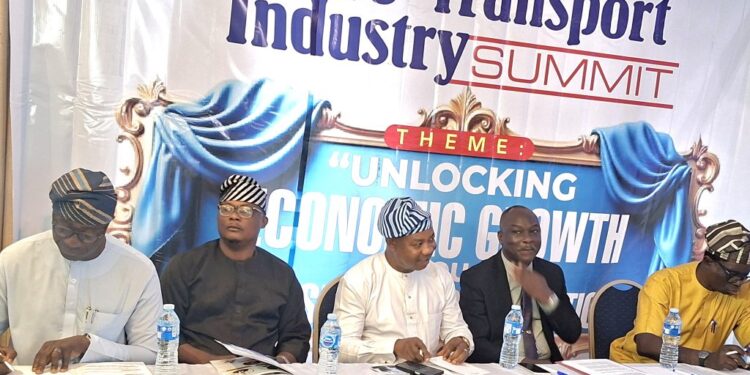
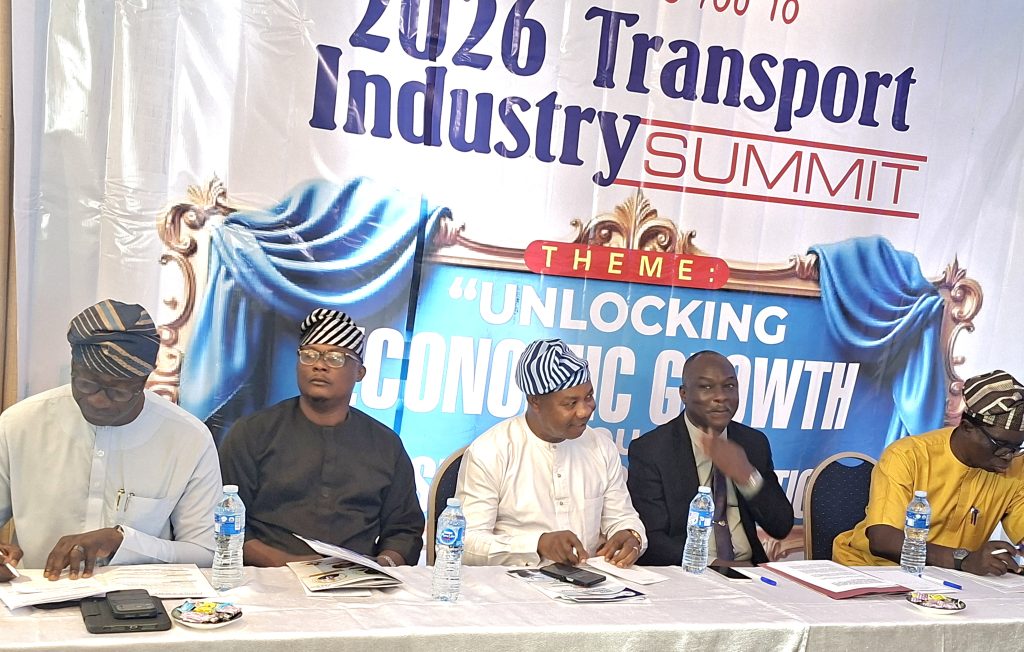
The Special Adviser to the Lagos State Governor on Blue Economy, Mr Oluwadamilola Emmanuel, disclosed this at the 2026 Transport Correspondents Association of Nigeria (TCAN) Summit in Lagos, saying the project was designed to complement existing road and rail transportation systems while opening up new economic opportunities for waterfront communities.
According to him, more than 540,000 residents currently live in waterfront communities across Lagos, with many depending on waterways for transportation, livelihoods and other economic activities.
He said the increasing pressure on road infrastructure, rising transportation costs, congestion, environmental concerns and poor connectivity had made the development of water transportation a critical component of Lagos’ future mobility plan.
Emmanuel said water transport could provide alternative transportation corridors and significantly reduce travel time on some routes, citing the Ikorodu-Falomo corridor as an example.
He said, “The journey from Ikorodu to Falomo, which can take more than one hour by road, could be completed in about 25 to 30 minutes by water.”
He explained that the state government was strengthening regulation and safety oversight while developing ferry terminals, navigation infrastructure and professional standards to support a more efficient and organised inland waterways system.
The Special Adviser also identified public confidence as an important factor in the success of the programme, noting that some residents remained reluctant to use water transportation because of safety concerns, fear and limited familiarity with waterways.
He said the Omi-Eko project followed a two-year pre-feasibility study conducted with the support of the Agence Française de Développement (AFD).
According to him, the €410 million financing package involves the European Investment Bank (EIB), AFD, European Union and Lagos State Government through a combination of loans, grants and counterpart funding.
He said the EIB would provide €170 million, AFD €130 million, the European Union €60 million in grants and the Lagos State Government €40 million, while another €10 million was expected from private-sector participation, particularly investment in the ticketing system.
Emmanuel said the five-year project would establish 15 structured ferry routes, dredge approximately 140 kilometres of waterways, upgrade 25 ferry terminals and introduce 78 modern electric ferries.
He said the vessels would have the capacity to carry up to 440 passengers, while the project would also provide passenger facilities, fleet maintenance infrastructure, improved navigation channels and climate-resilient infrastructure.
The Special Adviser disclosed that the state was also developing a Vessel Industry Transition Programme aimed at integrating informal-sector operators into the emerging formal water transportation system.
He explained that the programme would explore integration or buyout arrangements to ensure that existing operators were not left behind as the state modernises the sector.
Emmanuel stressed that safety remained the foundation of the Omi-Eko project, with emphasis on regulatory enforcement, crew competence, vessel standards and emergency preparedness.
He said Lagos could no longer rely on a single mode of transportation to meet the mobility needs of its growing population, noting that the future of transportation in the state must be multimodal.
According to him, water transportation would be integrated with rail, buses, private vehicles and park-and-ride facilities to address first-mile and last-mile connectivity challenges.
“The objective is to develop one interconnected network rather than separate transportation systems, improving travel times, reliability and passenger experience,” he said.
He added that an integrated transport system would improve businesses’ access to markets, facilitate the movement of workers, strengthen economic connectivity and create new opportunities for waterfront communities and local enterprises.
Emmanuel further disclosed that a recent study had identified 34 additional maritime communities requiring improved connectivity.
He said expanding integrated water transportation would not only reduce pressure on Lagos roads but also promote cleaner mobility and create employment opportunities in the maritime, green and blue economy sectors.