By Oluyinka Onigbinde & Joshua Yousouph
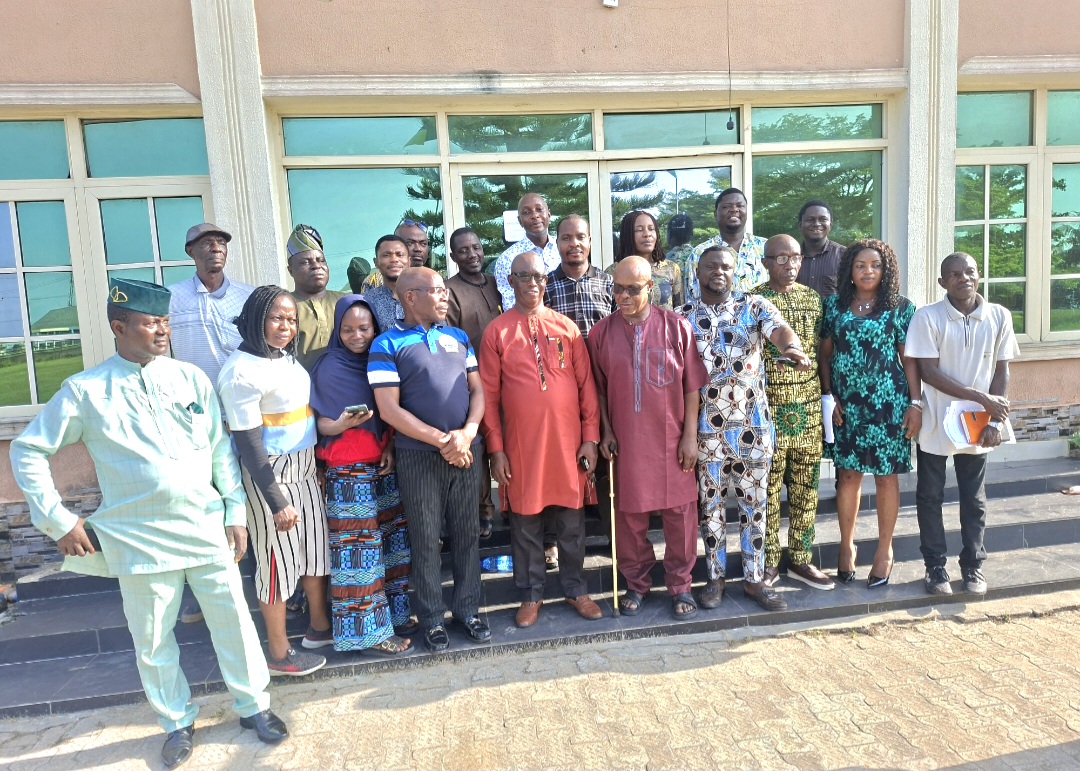
The Maritime Reporters Association of Nigeria (MARAN) has trained 20 of its members at the Chartered Institute of Shipping of Nigeria (CISN), as part of efforts to strengthen maritime journalism and improve specialised reporting on shipping, port operations and Nigeria’s blue economy.
The Graduate Induction Training Programme, which ended on Saturday, October 10, 2026, exposed participants to the technical, regulatory, commercial and operational aspects of the maritime industry, with successful participants expected to obtain a Postgraduate Diploma Certificate in Shipping.
The programme covered maritime safety and security, integrated marine environment management, shipping and port management, cargo clearance procedures and documentation, as well as an overview of the marine and blue economy.
Speaking on the initiative, MARAN President, Oluyinka Onigbinde, said the association was committed to developing maritime journalists with the technical knowledge and professional competence required to report industry developments accurately and effectively.
Onigbinde noted that maritime journalism required more than the ability to gather and write news, stressing that reporters needed a sound understanding of the policies, regulations, commercial transactions and operational processes that shape the sector.
According to him, journalists equipped with specialised industry knowledge would be better positioned to analyse developments, scrutinise decisions by stakeholders and explain complex maritime issues to the public.
He assured members that MARAN would sustain its capacity-building initiatives through partnerships with maritime institutions, government agencies and private-sector operators to expand access to specialised training and professional development opportunities.
The MARAN president added that the association would continue to explore programmes that would expose members to emerging trends in shipping, port operations, maritime security, international trade and the blue economy.
He emphasised that continuous professional development was essential to strengthening the credibility of maritime journalism and improving public understanding of the sector’s contribution to national economic development.
Onigbinde expressed optimism that the knowledge acquired during the programme would translate into improved reporting, particularly in areas relating to port efficiency, shipping operations, maritime safety, environmental sustainability and government policies affecting the industry.
In one of the sessions, a CISN lecturer, Mr Patrick Ambakederimo, examined the principles of maritime safety and security, highlighting their importance to efficient shipping operations, the protection of lives and property, and the sustainability of the maritime industry.
Ambakederimo discussed the identification and management of risks associated with vessel operations, cargo handling and other maritime activities. He stressed the need for compliance with established safety regulations, regular inspections, adequate crew training and effective emergency response procedures.
Participants were also exposed to the importance of intelligence sharing, effective surveillance, coordinated security operations and compliance with relevant international maritime security standards.
The lecture distinguished maritime safety, which focuses on preventing accidents and operational hazards, from maritime security, which addresses deliberate threats and unlawful activities within the maritime domain.
Another CISN lecturer, Mr Sunday Duru, delivered a session on integrated marine environment management, examining the need for coordinated efforts to protect marine and coastal environments from pressures associated with shipping, port operations and coastal development.
Duru emphasised collaboration among government agencies, maritime operators, environmental organisations, coastal communities and other stakeholders in tackling environmental challenges.
He also addressed marine pollution, oil spills, improper waste disposal, plastic pollution and the degradation of coastal and marine ecosystems, highlighting the importance of environmental monitoring, pollution prevention, proper waste management and effective enforcement of environmental regulations.
Other courses focused on the anatomy of shipping and port management, cargo clearance procedures and documentation, and the marine and blue economy.
The sessions were designed to broaden participants’ understanding of the commercial and operational dimensions of shipping, as well as economic opportunities in fisheries, coastal tourism and other ocean-related activities.
The training comes amid growing efforts to improve Nigeria’s port competitiveness, strengthen maritime security and harness the economic potential of the country’s marine resources.
Through the initiative, MARAN is seeking to bridge the knowledge gap between journalism and the technical realities of the shipping industry, positioning its members to deliver more accurate, balanced and informed reports on developments across the maritime sector.
The association’s commitment to sustained capacity building is expected to further equip maritime journalists to interrogate industry policies, assess regulatory decisions and provide the public with deeper insights into issues affecting shipping, international trade and Nigeria’s blue economy.