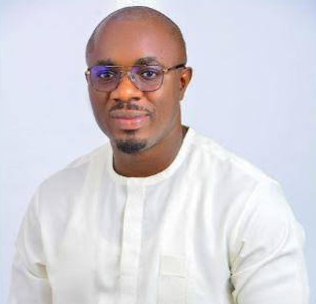
Mr Chinonso Emmanuel Uche a Nigerian tourism advocate, and the Chief Executive Officer of ETravels and Tours Ltd, in this interview with Joshua Yousouph examines why Nigerians are not sufficiently patronising domestic tourism destinations. He addresses how the country can unlock the economic potential of tourism, particularly maritime and water-based tourism. He argues that Nigeria must change its perception of tourism, improve access to destinations through affordable transportation, encourage investment in resorts and water-based attractions, and make tourism a national priority.
- “Maritime Tourism Can Drive Security, Investment, National Unity”
- “Government must provide the infrastructure and enabling environment….”
- “Our minds have been configured to believe that if a vacation is not abroad, it does not count”
You have travelled to several countries and experienced different tourism destinations. What made you begin to question Nigeria’s position in the global tourism space?
I have been to many countries, and the experience made me begin to ask questions. You discover that some of the places that are portrayed negatively from outside are not necessarily what you experience when you visit them. That made me ask myself: why are people not coming to Nigeria? How do we get people to come to Nigeria? Almost anything you are looking for in another country, you can find something similar here. We have the coast, we have water, we have green spaces, we have wildlife and we have cultural attractions. People from Nigeria travel to places like Zanzibar, because of the water experience. But we also have water and islands here. So why are these things not being properly packaged, protected and promoted? The first problem is that many Nigerians don’t even know what we have. Some of the people who are here today did not know that places like this existed. That tells you that the problem is not necessarily a lack of attractions; it is a lack of awareness and promotion.
How important is domestic patronage to the development of tourism?
Tourism promotion is not only the responsibility of tourism professionals, the media or government. It is everybody’s responsibility. If 100 Nigerians come to a destination and each person takes pictures, makes videos and posts them on social media, somebody somewhere will see those pictures and ask, “Where did you travel to?” That person may then become interested in visiting. So, Nigerians must first begin to experience their own country. When Nigerians start visiting these destinations, promoting them and telling their stories, foreigners will eventually start coming. We cannot continually tell the world to come to Nigeria while Nigerians themselves are running outside the country for tourism and refusing to patronise what we have.
How does this relate to maritime tourism?
Maritime tourism presents a huge opportunity because Nigeria is naturally endowed with water. We have coastal areas, rivers, islands and waterfront communities that can be developed into tourism destinations. But having water is not enough. You need access, transportation, accommodation, activities and a complete experience. Look at what happens in places like Zanzibar. People don’t just go there because there is water. There is a system around the water. There are boats, ferries, resorts, restaurants, accommodation and organised tourism activities. Nigeria can create the same kind of ecosystem around its own waterways. For instance, there are places where you need to cross water to reach a destination. If government provides an affordable ferry service, that immediately changes the economics of that destination. Instead of an individual paying a very high amount for a private boat, you could have a government-supported ferry transporting people at an affordable rate. Once transportation becomes affordable, more people will visit. Once more people visit, investors will see demand. Once investors see demand, more hotels, resorts, restaurants, boat operators and other businesses will emerge. That is how maritime tourism grows.
What do you think is preventing investors from putting money into Nigerian tourism destinations?
One major issue is the image of Nigeria. If investors constantly hear negative stories about insecurity, tribal conflict and instability, they become afraid to invest. We are creating a negative perception of our own country. Government also has a role to play. If governments understand that there is money in tourism, they will become more interested in developing the sector, regulating it properly and attracting investment. Tourism is a public-sector-driven industry. Government must provide the infrastructure and enabling environment, while the private sector can build businesses around it.
Can tourism itself contribute to improving security?
Absolutely. Tourism can help to solve insecurity. For example, if you have five resorts along a particular stretch of road or waterfront, those investments will create economic activity. They will employ indigenous people, attract visitors and encourage government to provide better security infrastructure. An area that is completely empty can become vulnerable. But when you have resorts, businesses and people operating there, there is economic activity and greater security presence. So, rather than seeing security and tourism as two completely separate issues, we should understand that tourism development can contribute to security.
What about Nigeria’s waterways and coastal destinations specifically?
There is a huge opportunity there. But accessibility is one of the major challenges. Take a destination that requires people to use a boat. If the only available option is a private boat that costs a lot of money, the average Nigerian will not be able to visit regularly. But if government provides a ferry service that carries large numbers of people at an affordable rate, the situation changes. Imagine a ferry that takes people across and brings them back at a reasonable fare. Suddenly, you have traffic. People start visiting. Then investors begin to see that there is a market. One hotel owner may charge a high price, because there are very few rooms. But when more investors come in, competition increases. Some may offer cheaper accommodation, others may provide better experiences. That is how a tourism economy develops.
So, do you believe government should directly participate in maritime tourism infrastructure?
Government has to create the foundation. I’m not saying government should operate every hotel or every tourism business. But where infrastructure is a major barrier, government has to intervene. Ferry transportation is a good example. If the government can provide reliable and affordable ferry connections to tourism destinations, private investors can build the hotels, resorts, restaurants and other businesses. You cannot expect investors to come into an area where there is no access and where the cost of transportation is too high. Government investment in access infrastructure can therefore unlock private-sector investment.
You mentioned that boat cruises are another area of opportunity. What is Nigeria missing?
There is a serious gap in the number and capacity of boats available for organised tourism. We have events where hundreds of people want to participate, but we don’t have enough large boats that can accommodate them. In Lagos, for example, there is demand for boat cruises, but the available capacity is limited. You may find boats that can carry around 35 people, but when you want to organise something for 100 people or more, you begin to have problems. If investors see that these activities are happening consistently, they will begin to invest in larger vessels and tourism boats. In many other tourism destinations, boat cruises are available almost every day. In Lagos, they are more concentrated around Fridays, Saturdays and Sundays. That tells you that there is an opportunity to expand the market beyond weekend leisure.
What would a developed maritime tourism ecosystem look like in Nigeria?
It should be much bigger than simply taking people on a boat. You should have a complete tourism package: ferry transportation, boat cruises, waterfront restaurants, resorts, hotels, cultural experiences, entertainment, water-based recreation and guided tours. The transportation itself can become part of the tourism experience. Imagine someone arriving in Lagos and instead of simply driving to a hotel, the person takes a ferry or boat through the waterways, visits an island, spends time at a waterfront resort, enjoys local food and returns later in the day. That is a tourism product. We need to stop looking at our waterways only as channels for transportation or commercial activities. They can also become tourism assets.
How important is affordability in making maritime tourism accessible to Nigerians?
It is extremely important. Many Nigerians cannot afford international tourism. Some people cannot even afford to travel from one Nigerian city to another for leisure because of the cost of flights and accommodation. But domestic tourism can be different. You can take a bus, travel a relatively short distance, spend the day at a destination and return home. The problem is that our minds have been configured to believe that if a vacation is not abroad, it does not count. We have to change that mindset. If people can spend huge amounts travelling abroad, they should also be encouraged to spend within Nigeria. That money will circulate within the local economy.
What role can maritime tourism play in national integration?
A very significant role. Water connects communities. If you develop tourism around those waterways, people will move across communities and states for leisure. The more people travel, the more they understand one another. Nigeria has different ethnic groups, and each has its own strengths. If we begin to understand those strengths and bring them together, you cannot imagine where the country can go. Tourism creates an environment where people are not constantly talking about tribe. They are talking about the experience, the destination and the relationships they are building. That is why I believe tourism can help address some of the tribal problems in Nigeria.
What would you say to Nigerians who believe that Nigeria is simply too unsafe for tourism?
We need to be conscious of the way we portray our country. Security is a genuine issue and should not be ignored. But we also need to understand the effect of constantly projecting only negative stories. When Nigerians themselves tell foreigners that Nigeria is unsafe, those foreigners will naturally hesitate to come. We need to promote the positive experiences while also demanding that government address genuine security challenges. The objective should not be to hide insecurity. It should be to ensure that security is addressed while we also communicate the reality that there are safe and attractive destinations across Nigeria.
What should investors look out for in maritime tourism?
Investors should look at the demand that already exists. When you consistently organise tourism activities and people keep showing interest, that is evidence of a market. For example, if people want to participate in boat cruises but there are not enough boats to carry them, that is an investment opportunity. If there are tourism destinations where accommodation is expensive because there are too few facilities, that is another opportunity. If transportation to an island or waterfront destination is expensive because there are no affordable mass-transit options on the water, that is another opportunity. The demand has to be studied and infrastructure built around it.
What is your vision for Lagos as a maritime tourism destination?
Lagos has enormous potential. The city has water everywhere. There are islands, waterfronts and different communities that can be connected through tourism. But we need to develop the ecosystem. We need more boats, larger boats, organised cruises, affordable ferry services, waterfront resorts and destinations that people can visit throughout the week. If we can get to the point where there are boat cruises not only on weekends but on Mondays, Tuesdays, Wednesdays and other days, then we have a functioning tourism industry. That requires consistent demand, but consistent demand can also be created through proper packaging and promotion.
Finally, what is your message to government, investors and Nigerians about the future of tourism?
First, Nigerians need to appreciate what they have. We should stop believing that everything outside Nigeria is automatically better. Second, government must create the enabling environment. Provide access, improve security, support affordable transportation and create policies that attract investment. Third, investors should look beyond the conventional tourism businesses. There are opportunities in boats, ferries, resorts, accommodation, restaurants, entertainment, tour operations and other services. And finally, Nigerians must participate. If we want foreigners to come to Nigeria, we must first show that Nigerians themselves value these destinations. Tourism is not a waste. It creates employment, generates income, supports communities, encourages investment and can even help bring Nigerians together. For maritime tourism in particular, Nigeria has the water resources. What we need is the vision, infrastructure, investment and consistent promotion to turn those resources into sustainable tourism products.