
By Oluyinka Onigbinde &Joshua Yousouph
The National Single Window (NSW) platform has processed 156,026 trade-related licenses, permits and certificates within six months of its launch, as the Federal Government begins the second phase of the initiative aimed at digitising Nigeria’s import and export processes.
The platform which was launched on March 27, 2026, has so far on-boarded more than 12,000 users, including importers, customs agents, shipping lines, airlines and freight forwarders, while maintaining 99.98 per cent operational uptime.
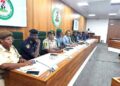
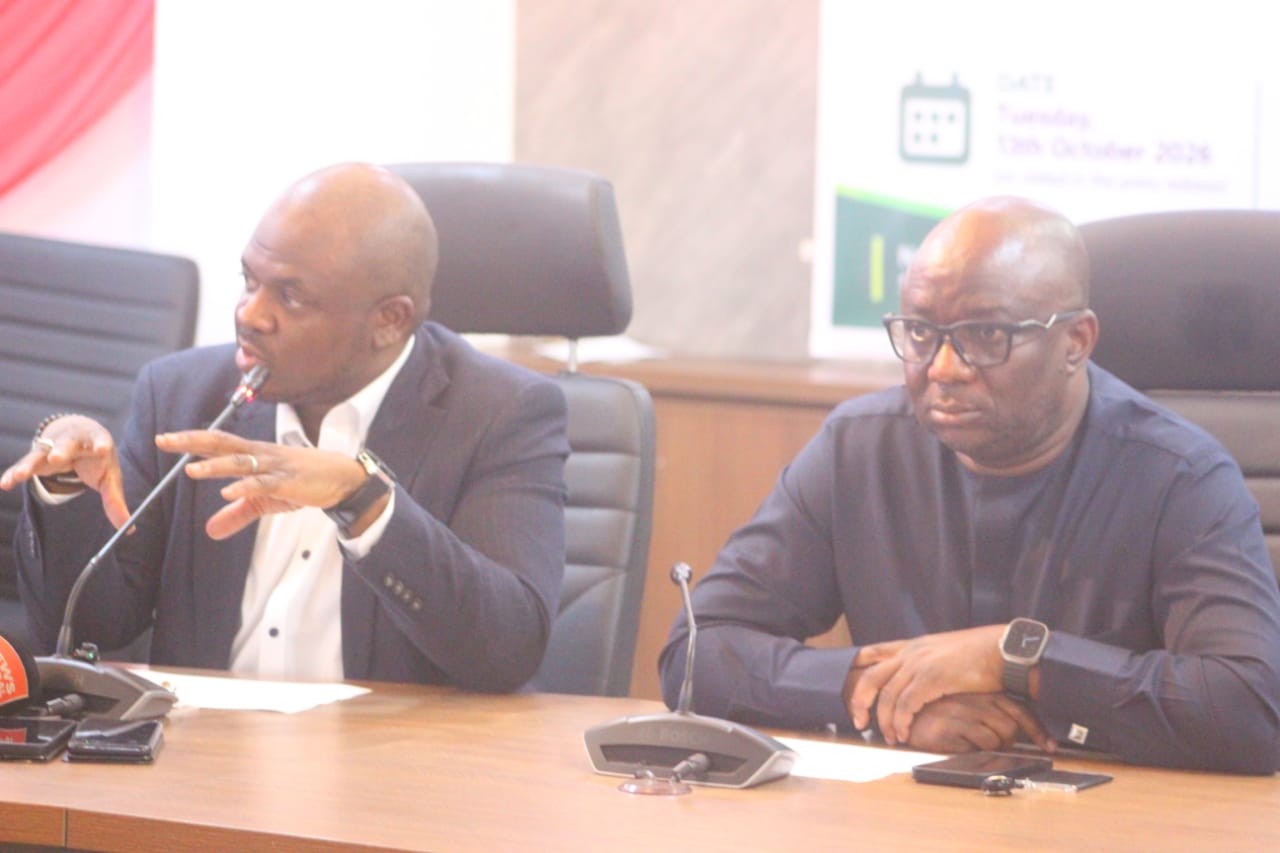
The figures were disclosed by the NSW project team, led by Project Director, Tola Fakolade, during a press briefing and stakeholder engagement in Abuja on Tuesday, October 13, 2026.
The team said the platform had recorded significant progress under Phase 1, with five government agencies fully on-boarded and more than 8,000 users trained since operations commenced.
A breakdown of the transactions showed that the Standards Organisation of Nigeria (SON) accounted for 104,956 processed licences and permits, while the National Agency for Food and Drug Administration and Control (NAFDAC) recorded 50,622 transactions.
The platform has also processed 3,964 air and sea cargo manifests, comprising 3,596 air cargo manifests transmitted by 27 airlines and 368 sea cargo manifests submitted by 56 shipping lines.
According to the project team, all airlines and air cargo companies have been on-boarded, while 56 of the 88 shipping lines operating within the platform’s coverage have completed onboarding for sea cargo manifest transmission.
The National Single Window is designed to provide a centralised digital platform through which traders can access regulatory services, process trade documentation and make relevant payments, reducing administrative bottlenecks and improving transparency in Nigeria’s import and export procedures.
The team disclosed that the submission, processing and approval of import licences, permits and certificates for four regulatory agencies had been fully implemented on the platform.
The agencies are NAFDAC, SON, the Nigeria Agricultural Quarantine Service (NAQS) and the National Environmental Standards and Regulations Enforcement Agency (NESREA).
Payments relating to the relevant licences, permits and certificates are also being processed through the platform, bringing regulatory approvals and payment procedures into a single digital system.
The project team said efforts were also underway to harmonise Harmonised System (HS) Codes with relevant agencies, including the Nigeria Customs Service (NCS), to ensure consistency in the classification of goods and reduce discrepancies in trade documentation.
The harmonised codes are expected to be updated on both the NSW platform and the Customs Service’s B’Odogwu system by November 2026.
Meanwhile, the onboarding of the Nigerian Ports Authority (NPA) and the Nigerian Maritime Administration and Safety Agency (NIMASA) for Ships Entry Notice (SEN) submission is ongoing, with the service scheduled to commence on November 16, 2026.
The development is expected to bring additional maritime regulatory processes into the national digital trade facilitation system.
The NSW team also confirmed that implementation of Phase 2 had commenced, with delivery scheduled in stages between the fourth quarter of 2026 and the first quarter of 2027.
The second phase will expand the platform’s coverage to include export-related licences, permits and certificates, Forms NXP and NCX, export cargo manifests, Import Duty Exemption Certificates (IDEC), import and export permits for Free Trade Zones, and payments for export licences and permits.
The first batch of agencies and services is expected to go live in the fourth quarter of 2026. It will include the Nigerian Export Promotion Council (NEPC), the Federal Produce Inspection Service (FPIS), the Registered Exporter System (REX) under the Federal Ministry of Industry, Trade and Investment, SON, NAFDAC and the Nigerian Association of Chambers of Commerce, Industry, Mines and Agriculture (NACCIMA).
The second batch, scheduled for the first quarter of 2027, will involve the Central Bank of Nigeria (CBN), Nigeria Customs Service, NAQS, Federal Ministry of Livestock Development, Federal Ministry of Marine and Blue Economy, Nigeria Export Processing Zones Authority (NEPZA) and Federal Ministry of Finance.
The project team said preparatory work for Phase 2 had covered current-state and technology readiness assessments, future-state design and system customisation.
User acceptance testing, pilot testing and end-user training are among the outstanding activities to be completed before the new services go live.
The team said the staged implementation would enable the project to address technical and operational challenges while ensuring that participating agencies and users were prepared for the expanded services.
Beyond Phase 2, the NSW project team projected the implementation of Phase 3 between the third and fourth quarters of 2027.
The proposed third phase will introduce additional functionalities, including Customs Declaration submission, Form M application and approval, oil and gas-related processes, Advanced Risk Analytics and a Trade Visualisation System.
The planned features are expected to extend the platform’s coverage to more customs and trade processes while strengthening risk assessment, regulatory monitoring and the use of data in trade-related decision-making.
The Abuja engagement provided an opportunity for journalists to obtain updates on the platform’s performance, implementation milestones and plans for its expansion.
The project team encouraged stakeholders to continue using the platform and said technical support remained available to users requiring assistance.