By Oluyinka Onigbinde
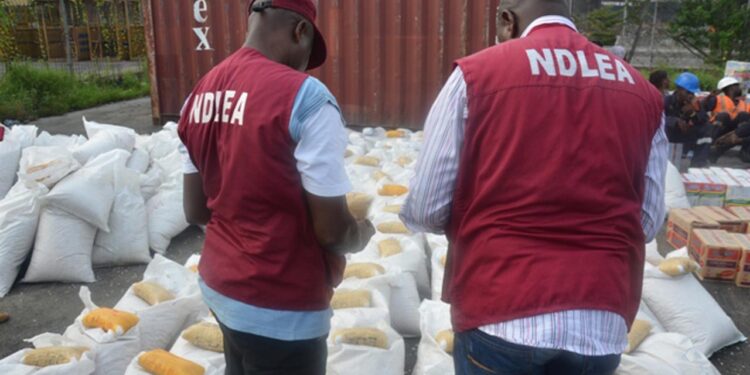
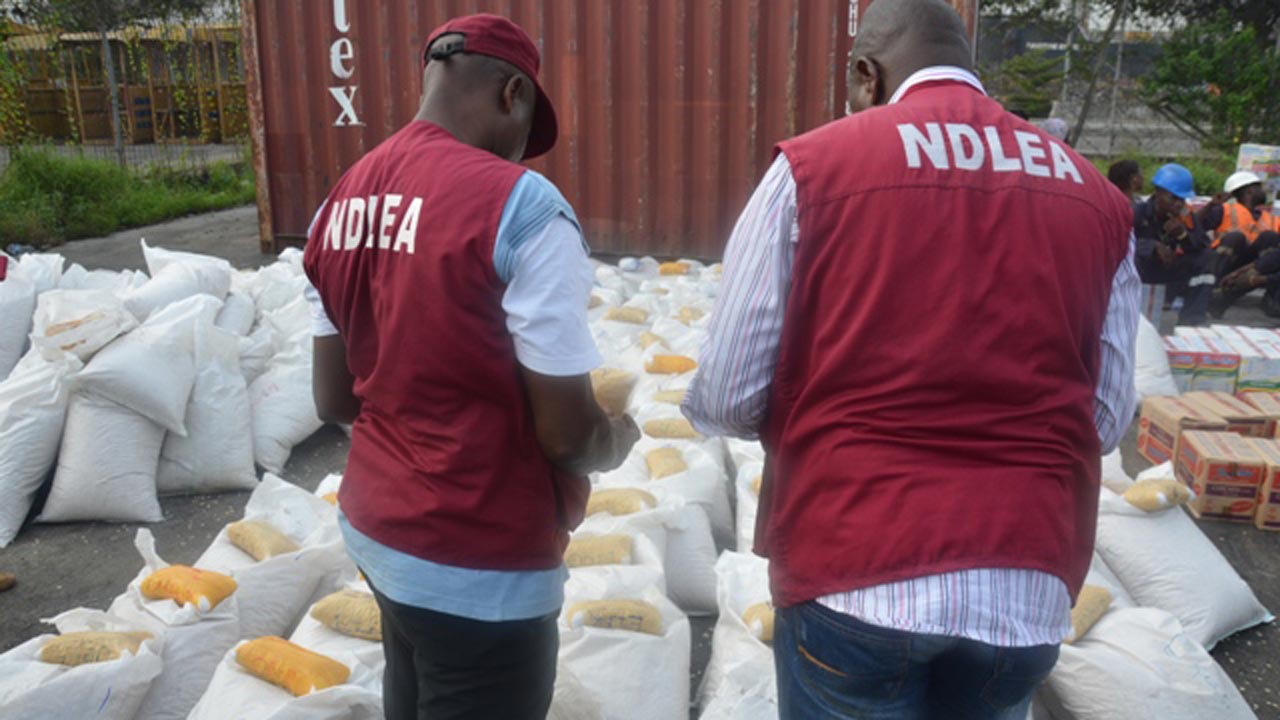
The National Drug Law Enforcement Agency (NDLEA) intercepted at least 119,354.5 kilogrammes, equivalent to 119.35 tonnes, of illicit drugs worth over ₦72 billion at Nigerian seaports between January and September 2026, findings by Shipping Position Daily have revealed.
The staggering quantity of narcotics intercepted has raised fresh concerns over the use of the country’s ports as entry points for illicit substances.
The findings, based on official statistics and seizure records released by the NDLEA, showed that 109,306.75 kilogrammes of illicit drugs were intercepted during the first half of the year, while a further 10,047.75 kilogrammes were seized in major operations publicly reported between July and September.
The combined figure puts the quantity of drugs intercepted at the nation’s seaports during the first nine months of the year at more than 119 tonnes.
The value of the intercepted drugs has also risen sharply. The first-half 2026 seizures were estimated by Shipping Position Daily to be worth over ₦45 billion, while the major third-quarter consignments identified by the newspaper were valued at approximately ₦27.78 billion, bringing the combined value to more than ₦72.78 billion.
The figures, however represent a tally of seizures identified from NDLEA’s publicly reported operations and should not be regarded as the agency’s final nationwide nine-month statistics, until the anti-narcotics agency provides a consolidated third-quarter breakdown for all its seaport commands.
Apapa port in Lagos remained the country’s biggest drug interception point during the first half of the year, accounting for 77,959.95 kilogrammes of seizures.
The Port Harcourt Seaport Command followed with 25,635 kilogrammes, while Tin Can Island Port recorded 5,711.8 kilogrammes during the same period.
The third quarter, however, witnessed a notable change in the pattern of seizures, with large cannabis consignments dominating the publicly reported operations.
At Apapa Port, NDLEA operatives intercepted 4,143.5 kilogrammes of Canadian Loud in July, while another 2,388.5 kilogrammes of the same substance was subsequently seized at the port.
Further operations at Apapa port and Lekki Deep Sea Port resulted in the interception of large consignments of Thai Loud, while Tin Can Island Port also recorded major cannabis seizures in September.
At Tin Can Island port, 603.75 kilogrammes of Canadian Loud was seized in September, followed by another 1,297.5 kilogrammes later in the month.
The third-quarter seizures identified by Shipping Position therefore amounted to more than 10 tonnes, with the majority consisting of highly potent cannabis strains.
The development marks a continuation of the pattern observed during the second quarter, when NDLEA operatives intercepted 4,173.5 kilogrammes of Canadian Loud concealed inside imported vehicles at Tin Can Island Port.
The consignment, seized on May 12, was valued at more than ₦10.4 billion.
At Apapa Port, the agency subsequently intercepted another 1,819.5 kilogrammes of Canadian Loud before uncovering a much larger consignment of 4,959 kilogrammes concealed inside a 40-foot container carrying imported vehicles.
That seizure alone was estimated at more than ₦12.4 billion.
However, investigations by Shipping Position Daily showed that criminal syndicates increasingly exploited imported used vehicles, containers and fabricated compartments to conceal narcotic consignments to evade routine cargo examination.
The first half of the year also witnessed the interception of massive quantities of pharmaceutical opioids.
Codeine-based cough syrup accounted for 96,437.45 kilogrammes of the drugs seized during the first quarter, making pharmaceutical products the dominant illicit substance during the period.
In January, NDLEA operatives working with the Nigeria Customs Service intercepted 31.5 kilogrammes of cocaine concealed inside hatch three of the vessel MV Aruna Hulya at Apapa Port.
The vessel and its 22 Indian crew members were detained as investigations commenced.
In another major operation in February, the agency intercepted 25 containers containing fake and illicit pharmaceutical products, including codeine-based cough syrups and sexual enhancement drugs, with an estimated value of about ₦9.2 billion.
Beyond the quantity of drugs intercepted, the operations also resulted in arrests and investigations involving suspected members of international trafficking networks.
Official NDLEA records showed that 10 suspects, comprising nine males and one female, were arrested in connection with first-quarter port seizures, with six arrests recorded at Apapa and four at Tin Can Island.
Further arrests were made in connection with second-quarter seizures, although the NDLEA’s publicly released reports did not provide a consolidated nine-month figure for suspects arrested specifically at the seaports.
The NDLEA has attributed its successes at the ports to improved intelligence gathering, operational efficiency, strengthened surveillance and closer collaboration with the Nigeria Customs Service and other security agencies.
The agency’s Director of Media and Advocacy, Femi Babafemi told Shipping Position Daily that the seizures reflected improved intelligence gathering and operational efficiency across Nigeria’s maritime gateways.
He said the dominance of codeine-based pharmaceutical products and repeated attempts to smuggle large quantities of cannabis through the seaports showed the determination of criminal syndicates to exploit Nigeria’s maritime trade routes.
According to him, the agency would continue to strengthen intelligence gathering and surveillance while working with other security agencies to dismantle organised drug trafficking networks.
The scale of the seizures comes as Nigeria continues to invest in modernising its ports, improving cargo examination and strengthening the efficiency of its maritime trade system.
While increased seizures may indicate greater trafficking attempts, they also demonstrate the growing capacity of enforcement agencies to detect and intercept illicit consignments, before they reach the Nigerian market.