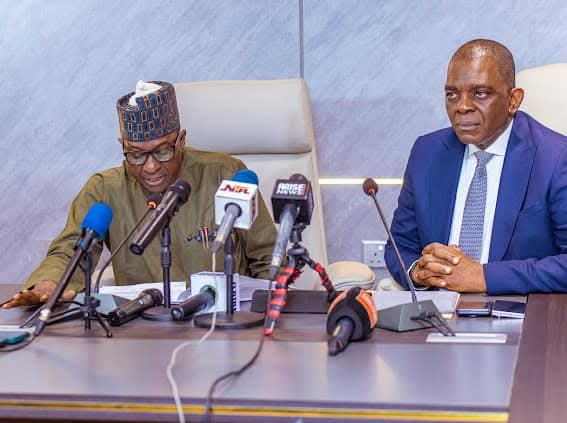
The Nigerian Ports Economic Regulatory Agency (NPERA) has pledged full cooperation with the National Salaries, Incomes and Wages Commission (NSIWC) in its ongoing review of salary structures and workforce requirements across Federal Government agencies.
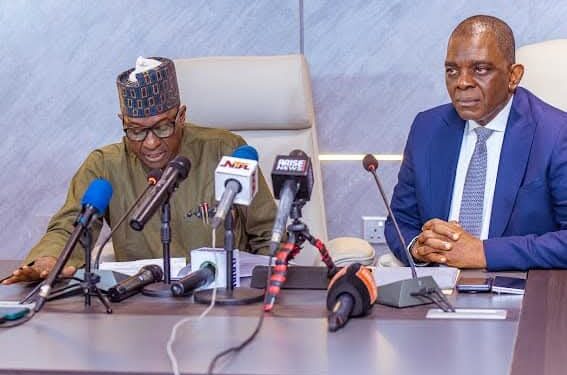
The Director-General/Chief Executive Officer of NPERA, Dr Pius Akutah, MON, gave the assurance when the newly constituted Governing Board of the NSIWC paid a familiarisation visit to the Agency’s headquarters in Lagos.
Akutah said the visit was timely, coming as NPERA undergoes restructuring following its transition from the Nigerian Shippers’ Council into a full-fledged economic regulatory agency with an expanded mandate.
He said NPERA was pleased to be among the first government institutions visited by the Commission and would provide all necessary information required for the assessment.
“The mandate of the Commission to review salary structures, performance evaluation and working conditions across government agencies is important, especially for an institution undergoing a major transformation like ours,” Akutah said.
Speaking during the visit, Chairman of the NSIWC Governing Board, Major General Junaid Bindawa (rtd.), said the exercise was aimed at gaining a better understanding of NPERA’s operations, the responsibilities attached to various positions, working conditions, challenges confronting staff and the specialised skills required to deliver on the Agency’s mandate.
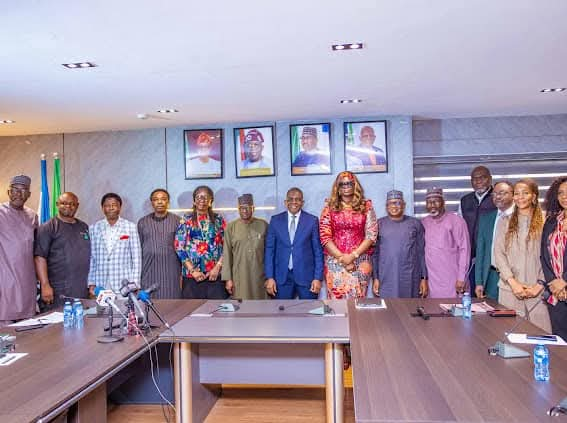
Bindawa said NPERA’s transition from the Nigerian Shippers’ Council to an economic regulatory agency went beyond a change of name, noting that its new legal framework had expanded its responsibilities and created additional demands on its workforce.
According to him, the Commission’s assessment would examine the basis for the Agency’s transformation, as well as the implications of its new status and expanded mandate for its workforce and remuneration structure.
He explained that the NSIWC was established under the NSIWC Act of 1993, with responsibilities including advising the Federal Government on national incomes policy and recommending salary structures applicable to Ministries, Departments and Agencies.
The Chairman said the current inspection programme was part of the Commission’s Strategic Plan 2026–2031, which provides for regular and comprehensive salary and payroll inspections across Federal Government MDAs.
He said the exercise was designed to monitor the implementation of approved salary structures, ensure compliance with approved Consolidated Salary Structures, and identify instances where unapproved salary structures were being implemented.
Major General Bindawa added that cases of non-compliance would be reported to the Federal Government, while appropriate action would be taken where agencies were found to be implementing unapproved salary structures.
He further said the Commission would assess the productivity and contributions of government agencies before considering requests for salary adjustments and allowances.
The NSIWC Chairman assured NPERA that the assessment team would approach the exercise with an open mind and conduct a fair and objective evaluation, noting the Agency’s importance to national economic development and its expanded responsibilities under the new regulatory framework.