Last week, this newspaper published the result of our investigations about the state of water transportation in Lagos.
Our story was based on data from the National Bureau of Statistics (NBS) called ‘Transport Fare Watch’, which indicated a 30.88 per cent year-on-year increase in waterway passenger fares in May 2026.
The NBS data had shown that the average fare for waterway passenger transportation rose from N1,739.32 in May 2025 to N2,276.48 in May 2026, reflecting the growing cost of travelling by water.
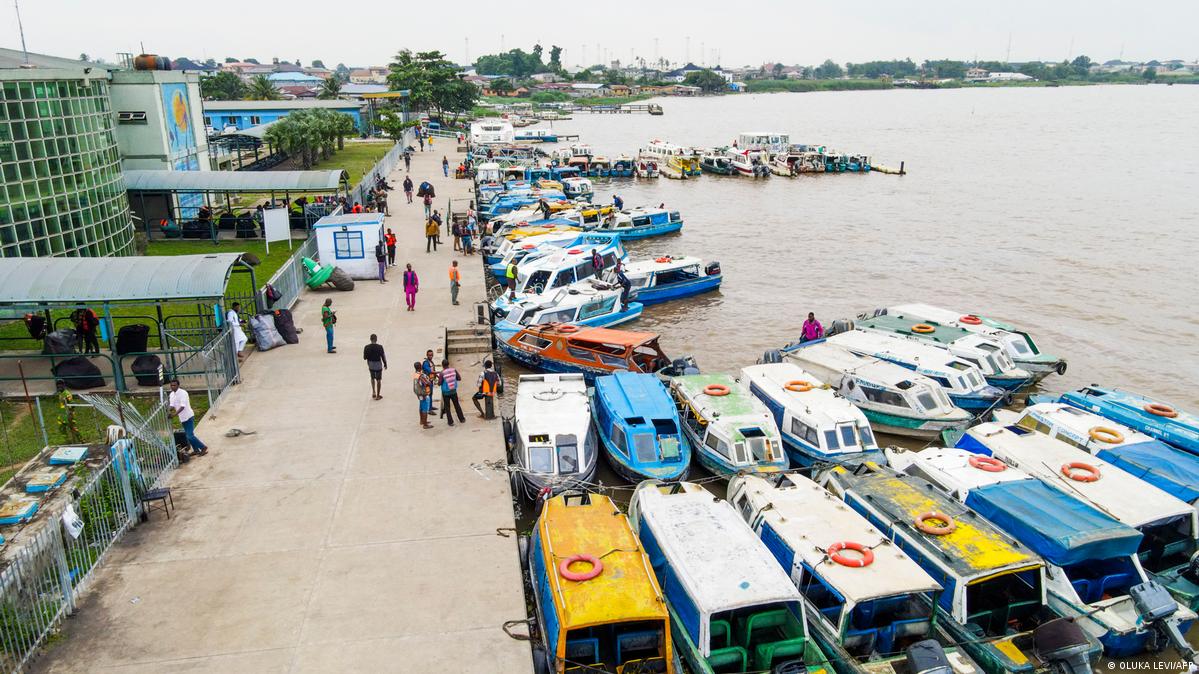
Arising from the soaring cost of water transportation in Lagos, boat owners and operators in the state have called on the state government to subsidise water transportation. They lamented that rising fuel costs and high passenger fares are driving commuters towards cheaper road and rail alternatives and threatening the survival of their businesses.
The operators admitted that improved road networks, cheaper public transportation and increasing operational costs had reduced patronage on several waterways routes, leaving some boat services inactive and forcing operators to consider alternative livelihoods.
They consequently called for subsidies to cushion the impact of rising fuel costs, make fares more affordable and restore patronage, warning that the survival of water transport businesses depended partly on their ability to compete with alternative means of transportation.
Nigeria has more than 10,000km of navigable inland waterways. This ‘wealth’ comprises of rivers, creeks, lagoons, lakes and intra-coastal waters. The nation’s main rivers are Rivers Niger and Benue. Both rivers form a confluence at Lokoja, in Kogi State. Several brown waters across about 28 states flows in both Niger and Benue rivers.
Lagos stands tall among these littoral states as the main driver of the Nigerian shipping and maritime business.
It is this context that we are concerned about the gradual abandonment of water transportation in the state, by residents.
No doubt, Lagos has continued to grapple with one of its most persistent challenges: traffic congestion. Every day, thousands of residents spend valuable hours commuting between their homes and workplaces, while businesses lose productive time and money to gridlock. Despite successive investments in road infrastructure, congestion remains a major obstacle to mobility, economic productivity and the quality of life of residents.
One viable solution that deserves greater attention is water transportation. With its extensive network of lagoons, creeks and waterways, Lagos possesses a natural transportation advantage that remains insufficiently harnessed. Supporting and expanding water transportation is not merely about providing an alternative to road travel; it is about building a more efficient, sustainable and economically competitive city.
The time has come for the Lagos State Government, the Federal Government and relevant maritime agencies to treat water transportation as a central component of the state’s integrated transport system.
Abandoning water transportation in Lagos is akin to abandoning her natural advantage, because Lagos is strategically positioned around the Lagos Lagoon and other interconnected waterways. These waterways offer opportunities to move passengers and goods between different parts of the state without depending entirely on an already overstretched road network.
From Ikorodu to Victoria Island, from Marina to Apapa, and from Apapa to Badagry, and other waterfront communities, water transportation can provide a practical alternative for commuters, particularly along routes where suitable jetties and safe navigable channels are available.
Journeys that take hours by road during peak periods may be considerably shorter by water, depending on the route and prevailing conditions. This advantage should encourage deliberate investment in waterways as part of Lagos’s transportation planning.
The state cannot continue to rely predominantly on road expansion while leaving much of its geographical advantage underutilised. Although road construction and maintenance remain necessary, roads alone cannot sustainably resolve the mobility challenges of a rapidly growing metropolis.
A properly developed water transport network would distribute passenger traffic across different modes, reduce pressure on major roads and give commuters more choices.
Even though the private operators in water transportation business have an important role to play, the development of water transportation cannot be left entirely to market forces. Government support is required to provide the infrastructure, regulatory framework and public confidence necessary for the sector to grow. And this is where the plea from stakeholders in the sector should be taken seriously by the state government.
One of the major concerns surrounding water transportation is passenger safety. Boat accidents, overloading and inadequate safety equipment can undermine public confidence and discourage potential users.
No serious discussion of expanding water transportation in Lagos can ignore these concerns.
The relevant authorities must intensify enforcement of safety regulations, including the use of appropriate life jackets, compliance with vessel capacity limits, proper vessel maintenance and the training and certification of boat operators.