By Joshua Yousouph
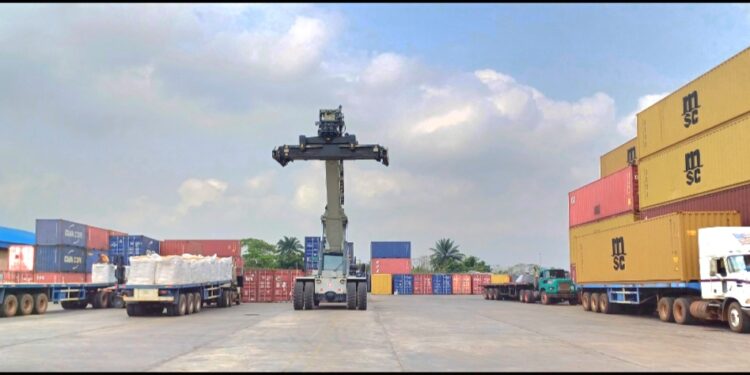
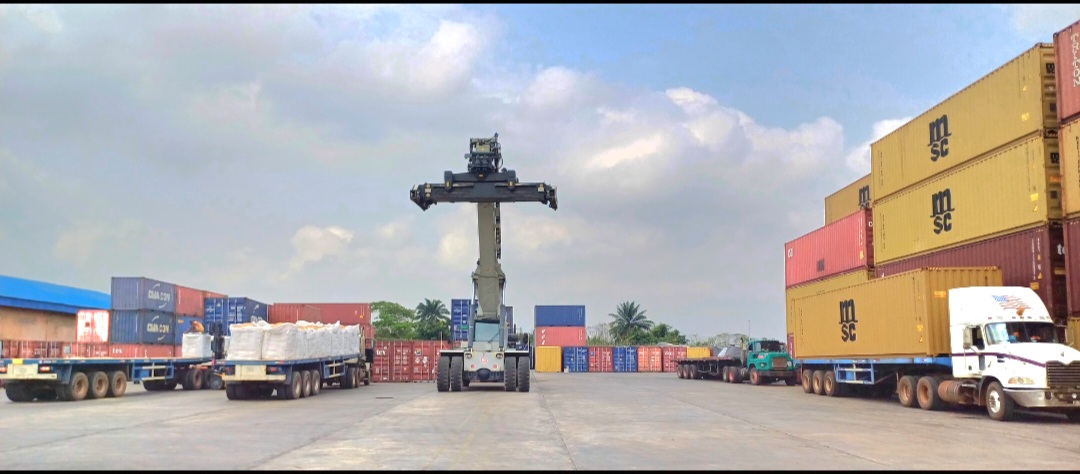
Stakeholders in the maritime sector have called for compliance with customs procedures and proper enforcement. This follow the suspension of container transfers and transire processing involving about 172 bonded terminals, warehouses, and Free Trade Zones (FTZs) across the country.
Shipping Position Daily recalls that the Nigeria Customs Service (NCS), through a circular signed by the Deputy Comptroller-General in charge of Enforcement, Investigation and Inspection, DCG Timi Bomodi, directed Customs Area Controllers to suspend approvals for container transfers and transire processing involving the affected facilities.
While stakeholders acknowledged the need for Customs to address suspected infractions and enforce existing regulations, they also stressed the importance of transparent procedures, effective monitoring and compliance by all parties involved in transire operations.
Reacting to the development, South-West Chairman of the Importers Association of Nigeria (IMAN), Chief Joseph Ajoku, urged clearing agents to follow established procedures and avoid shortcuts that could expose importers and their consignments to regulatory complications.
Ajoku said the Customs Service, being the regulatory agency, should be given the opportunity to investigate suspected infractions and carry out its responsibilities, noting that some operators might have been engaging in activities outside the approved regulatory framework.
He, however, acknowledged that the clampdown could have consequences for importers whose goods are delayed as a result of the suspension. According to him, clearing agents should ensure that all necessary payments and procedures are completed before attempting to move or clear consignments.
“It is a government agency, so we will give them a chance to do their job. We are not blocking them, but we are monitoring them. What we continue to tell the agents is, please, do your job in the normal way, with the fear of God.
“Many people collect money from us. Do the job, make the payment that you are supposed to pay and then bring out our goods. Not for you to look for shortcuts. At the end of the day, you put our goods into trouble.”
Speaking on the development, Secretary-General of the National Association of Government Approved Freight Forwarders (NAGAFF), Fwdr. Godfrey Nwosu, described the suspension as a strategic measure capable of strengthening revenue assurance, compliance and national security.
He however, called for measures to consolidate the gains of the directive, particularly through the deployment of automated reconciliation systems capable of tracking transire movements in real time and ensuring prompt reconciliation.
Nwosu further called for regular consultations involving bonded warehouse operators, Free Trade Zone managers and freight forwarders, stressing that effective stakeholder engagement would promote shared responsibility and improve compliance across the transire chain.
The NAGAFF scribe recommended risk-based monitoring through intelligence-driven audits to identify high-risk transactions and prevent infractions before they escalate. In addition, NAGAFF proposed an integrated revenue assurance framework across all collection points to promote consistency in revenue collection and reporting.
Also reacting, Tin Can Port Public Relations Officer of the Association of Nigerian Licensed Customs Agents (APFFLON), Clinton Okoro, called for more effective enforcement and monitoring of transire movements to bonded terminals.
Okoro said Customs frequently relies on provisions of the Nigeria Customs Act 2023 in regulating transire, but argued that the operational framework supporting the movement of cargoes to bonded terminals must also be properly implemented.
He questioned the deployment of Customs enforcement resources, particularly the activities of enforcement units and the Federal Operations Unit (FOU), arguing that greater attention should be given to monitoring cargoes in transit from the ports to bonded terminals.
According to him, once a consignment is approved for movement to a bonded terminal, the importer, customs agent or freight forwarder should be able to identify its designated destination, while the relevant shipping documentation provides details of the cargo.
He added that Customs has the responsibility of ensuring that applicable duties are paid before a transire is authorised, while enforcement personnel should provide the necessary security for the movement of the container to its approved destination.
“Every transire that is going to a bonded terminal, an importer, agent or freight forwarder has the right to know where his goods will go,” Okoro said.
“Customs will make sure that any transire that is going out, the duty payment has already been paid. Taking the same consignment to the bonded terminal, there is still security backing it. The enforcement units will have to be assigned to take such container to the bonded terminal.”
Okoro also raised concerns about the operational capacity of some bonded terminals, particularly the availability of equipment required to handle transferred cargoes. He argued that Customs should strengthen its inspection and monitoring of bonded terminals to ensure that facilities receiving transire cargoes meet the required standards.