By Joshua Yousouph
Truck operators in Lagos have raised concerns over prolonged delays in cargo evacuation from the ports, saying inefficiencies within the cargo movement chain continue to expose them to losses, prolonged waiting periods and congestion along major maritime corridors.
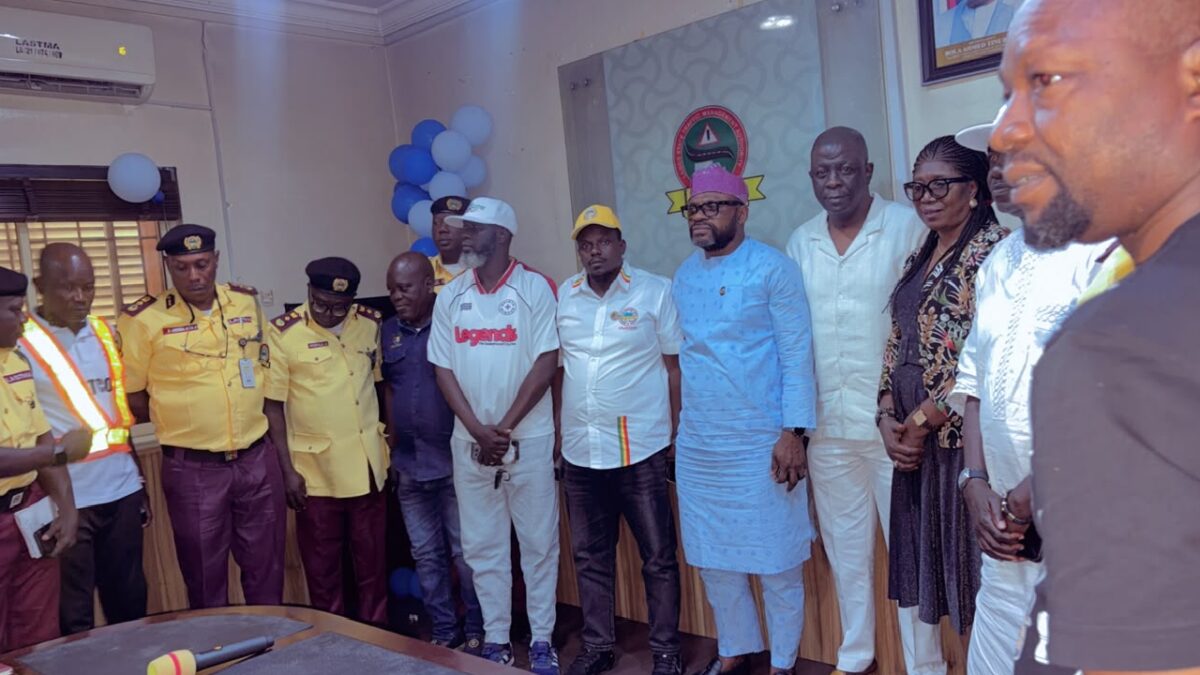
The concerns were raised at a transport stakeholders’ meeting chaired by the Permanent Secretary, Lagos State Ministry of Transportation, Mr. Maroof Olawale Musa, where stakeholders examined persistent challenges affecting the movement of trucks and cargo in Lagos.
The meeting was attended by the Nigeria Ports Economic Regulatory Agency (NPERA), the Lagos State Chairman of the Association of Maritime Truck Owners (AMATO) and members of his executive, General Manager of the Lagos State Traffic Management Authority (LASTMA), Mr. Olalekan Bakare-Oki, members of the LASTMA leadership, as well as the Chairman of the Lagos State Truck and Cargo Operators Committee (LASTCOC), Alhaji Lukman Shittu Zangalo, among others.
The stakeholders noted that while traffic management and enforcement remained important, addressing congestion on the roads alone would not provide a lasting solution without tackling delays within the ports and the wider cargo evacuation chain.
According to LASTCOC, delays in cargo evacuation have a direct impact on truck turnaround time and contribute to congestion on access roads, with truckers often bearing the immediate consequences of inefficiencies within the system.
The Committee further noted that truck operators suffer losses arising from prolonged waiting periods, congestion and operational delays, while some corporate entities within the cargo chain could continue to receive demurrage payments associated with such delays.
Against this backdrop, the stakeholders called for greater efficiency among terminal operators and improved coordination across the cargo evacuation process.
The meeting also identified the need to improve the truck call-up system at Apapa, particularly by reducing unnecessary human intervention and strengthening systems that would make truck movement more predictable, transparent and efficient.
Stakeholders equally called for a review of the existing truck call-up arrangement along the Lekki-Epe corridor to address emerging challenges and ensure that the system reflects the realities of operations along the axis.
The Permanent Secretary, however, said the state government was stepping up measures to restore order and compliance along the affected corridors, declaring: “We want sanity and compliance.”
Musa said more personnel and equipment would be deployed to strengthen traffic management and improve the effectiveness of operations along the major port corridors.
He also made it clear that the government was not primarily interested in generating revenue from truckers through fines or other enforcement measures, but in ensuring compliance, orderliness and the prevention of avoidable accidents and loss of lives.
The meeting stressed that truck operators should comply with established procedures rather than relying on financial intervention or informal arrangements whenever traffic violations or operational breaches occur.
To address the challenges from their source, stakeholders proposed an expanded meeting involving terminal operators, the Nigerian Ports Authority (NPA) and other relevant stakeholders in the cargo evacuation chain.
The proposed engagement is expected to bring the various players together to examine the challenges affecting cargo movement, allow different perspectives to be considered and develop practical measures for improving efficiency across the system.
Meanwhile, truck operators, particularly those operating along the Lekki axis, were urged to organise themselves and ensure strict compliance with existing call-up and traffic management arrangements.
LASTCOC called on truck owners, drivers, terminal operators and other stakeholders to cooperate with the Lagos State Government, stressing that coordinated action among government agencies, port authorities, terminal operators and truckers remained necessary to improve cargo evacuation, reduce congestion and enhance safety across Lagos maritime corridors.