Health experts have raised concerns over the low level of awareness surrounding liver diseases, warning that the condition had remained a “silent killer” and a growing global burden.
Speaking ahead of the 2026 World Liver Day, a day observed annually on April 19, medical professionals noted that the event received far less attention compared to other global health campaigns such as World AIDS Day.
A Consultant Gastroenterologist and Hepatologist, Dr Kolawole Akande, in an interview with the News Agency of Nigeria (NAN) on Friday, said the low attention limits its impact on public education and prevention efforts.
According to him, World Liver Day is intended to highlight the importance of liver health and promote early detection and treatment of liver-related conditions.
However, he stressed that insufficient awareness continued to hinder progress in tackling diseases such as hepatitis, fatty liver disease, liver cirrhosis and liver cancer.
“The liver is one of the most vital organs in the body, responsible for close to 500 functions every day, from detoxification, metabolism, to nutrient storage.
“Yet many people only become aware of liver problems when the disease has reached an advanced stage,” Akande said.
He emphasised that liver diseases often developed without noticeable symptoms, making routine medical check-ups essential.
The specialist who works at the University College Hospital, Ibadan, explained that early-stage liver damage can be reversed if detected promptly, but late diagnosis significantly reduces treatment options and survival rates.
A major concern highlighted by Akande is the increasing prevalence of lifestyle-related liver conditions, particularly non-alcoholic fatty liver disease (NAFLD).
Poor diet, obesity, excessive alcohol consumption, and sedentary lifestyles were identified as key risk factors driving the rise in cases.
Hence, he said, it was crucial that policymakers and healthcare providers promoted health-positive behaviours such as physical activity and healthy eating that helped prevent NAFLD.
In addition, Akande noted that viral hepatitis—especially hepatitis B and C—remained a significant public health challenge in many developing countries.
Hepatitis is an inflammation of the liver that is caused by a variety of infectious viruses and non-infectious agents leading to a range of health problems, including severe liver damage and cancer, some of which can be fatal.
Akande called for expanded vaccination programmes, improved screening, and greater access to treatment.
“Many people are living with hepatitis without knowing their status. This not only affects their health but also increases the risk of transmission to others,” he said.
He emphasised that liver diseases caused at least two million deaths globally every year, yet many of these deaths were highly preventable.
On the major prevention for liver disease, Akande emphasised that the country should start with children, noting that birth-dose hepatitis B vaccine was critical.
According to him, hepatitis B is the most common cause of liver disease in Nigeria, but it is vaccine-preventable.
The specialist explained that the vaccine is free under Nigeria’s National Programme on Immunisation.
“Every child should receive the birth dose within 24 hours of delivery.
“The problem is that current coverage is estimated at less than 20 per cent.
“If we scale up birth-dose vaccination, we can prevent a huge burden of hepatitis B,” he said.
He emphasised that after the birth dose, children must complete the full schedule of the immunisation.
Akande said that adults should also screen and vaccinate, referencing the Society of Gastroenterology and Hepatology in Nigeria (SOGHIN).
He explained that SOGHIN recommended that every adult born before 2004 — when hepatitis B vaccine entered the national schedule — should screen at least once.
“If negative, get vaccinated. Vaccines are available nationwide and not expensive,” he said.
He said that high-risk groups needed more frequent checks and should screen more than once.
Listing the high-risk groups to include household contacts or sexual partners of people with hepatitis B, patients on dialysis, people living with HIV, people who receive frequent blood transfusions, commercial sex workers, among others.
Following these strategies, Akande emphasised would drastically cut liver disease deaths in Nigeria.
Without urgent and sustained global action, the World Health Organisation had warned that viral hepatitis is projected to cause an additional 9.5 million new infections, 2.1 million liver cancer cases, and 2.8 million deaths by 2030.
The specialist also underscored the need for stronger government and institutional support to improve awareness campaigns.
He called for collaboration between public health authorities, healthcare providers, and community organisations to educate citizens about preventive measures.
Recommendations included adopting healthier diets, reducing alcohol intake, maintaining a healthy weight, and undergoing regular medical screenings.
Public education campaigns, he said, should focus on practical lifestyle changes as well as the importance of early diagnosis.
“Prevention is always better than cure. With the right information and early action, many liver diseases can be avoided or effectively managed,” Akande stressed.
Similarly, Dr Jonathan Esegine, a general practitioner, urged individuals to take proactive steps toward protecting their liver health, stressing that increased awareness could significantly reduce the burden of liver disease globally.
To advance liver health, Esegine advised individuals to choose a healthy and balanced diet that is primarily plant-based and rich in fruits, vegetables, whole grains and healthy fats.
He urged them to maintain a healthy weight combined with regular exercise, abstain from alcohol, smoking and drugs and get vaccinated against hepatitis B, to end its unnecessary burden among the populace.
World Liver Day is a global health observance held every year on April 19 to raise awareness about liver disease, its prevention, and the importance of early detection.
The theme for World Liver Day 2026, “Solid Habits, Strong Liver”, delivers a clear message: liver health is shaped over time by daily choices around diet, exercise, alcohol use, and self-care.
—-Frequently asked questions about the Liver——-
- What are the first signs of a bad liver?
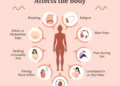
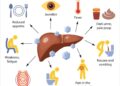
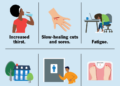
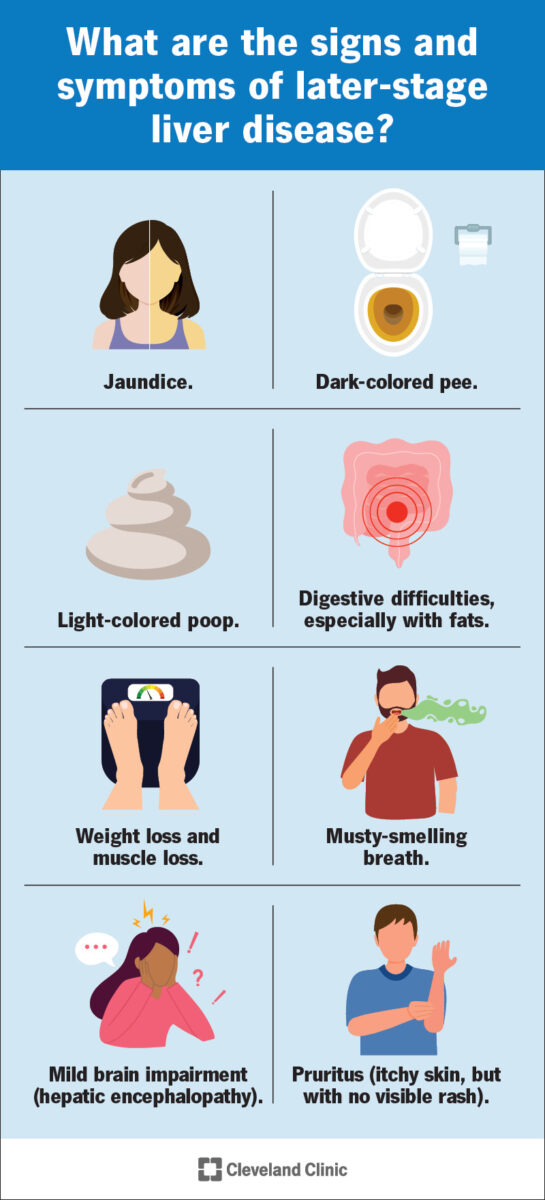
The initial signs of liver problems can be vague and subtle, often including fatigue, nausea, and loss of appetite. As the liver’s condition worsens, more specific symptoms may emerge, such as jaundice (yellowing of the skin and eyes), itchy skin, dark urine, and light-colored stools. Abdominal pain, especially in the upper right quadrant, can also indicate liver issues.
- Where do you feel liver pain?
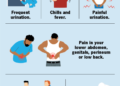
Liver pain is typically felt in the upper right abdomen, just beneath the rib cage. It can manifest as a dull, throbbing pain, a stabbing sensation, or a general feeling of discomfort in that area. In some cases, liver pain might be felt as an ache in the right shoulder or back.
- What does liver pain feel like?
How liver pain feels can vary from person to person, depending on the cause. However, most people often develop one or more of the following symptoms:
Dull, persistent aches in the upper abdomen
A feeling of fullness or bloating
Sharp, stabbing pains that come and go
Tenderness when the upper abdomen is touched
- How to know if the liver is swollen?
What are the symptoms of an enlarged liver? You likely won’t notice an enlarged liver on your own. In some severe cases, you might notice a feeling of bloating or fullness in your belly or an ache in your upper right abdomen.
—What are the worst things for your liver?—-
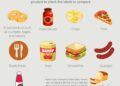
Processed Sugar and Sugary Drinks. Excess sugar—especially from sodas, energy drinks and desserts—can overload your liver.
Alcohol.
Fried and Fast Foods.
Red and Processed Meats.
White Bread, Pasta and Refined Carbs.
High-Sodium Foods.
—-How to cleanse the liver—-
A quick, effective liver detox involves supporting the organ’s natural processes rather than restrictive “cleanses.” Immediate steps include increasing hydration (8–10 glasses daily), avoiding alcohol and processed foods, and consuming liver-friendly foods like cruciferous vegetables, garlic, grapefruit, turmeric, and green tea.
- Top “Quick Fix” for the Liver :
Hydration: Drink plenty of water to help the liver flush out toxins.
Coffee & Tea: Coffee can lower liver disease risk, while green tea contains antioxidants that reduce lipid buildup.
Garlic & Turmeric: Garlic activates liver enzymes, while turmeric helps with liver repair and reduces inflammation.
Citrus & Greens: Lemon water, grapefruit, and leafy greens (spinach, kale) provide nutrients that boost detoxification enzymes.
Avoid Toxic Loads: Limit added sugar, high-salt foods, and alcohol to instantly reduce liver strain.