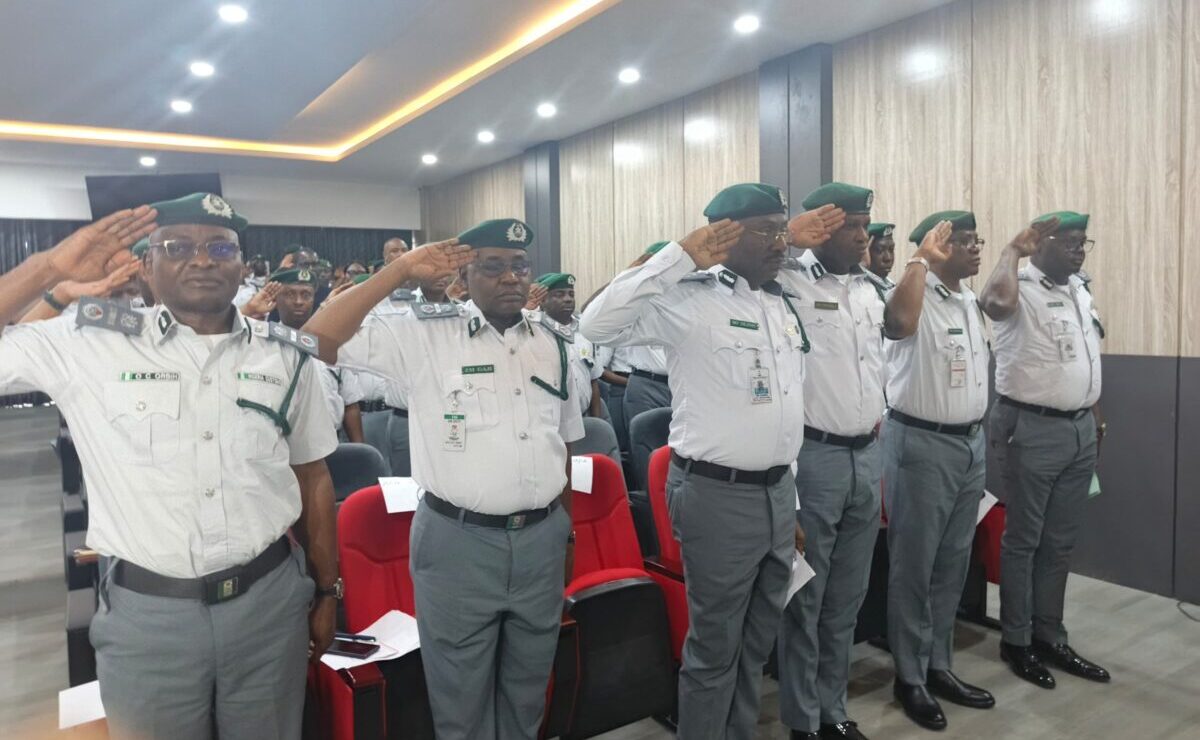
The Nigeria Customs Service (NCS) Zone A has commenced training for officers and stakeholders on the Automated Transire System Process, a crucial component of the newly unified Customs system known as B’odogwu.
The training, which took place at the Apapa Customs Command, is a significant step towards modernizing customs operations in Nigeria, aimed at enhancing efficiency, transparency, and security in cargo movement across the country’s borders.
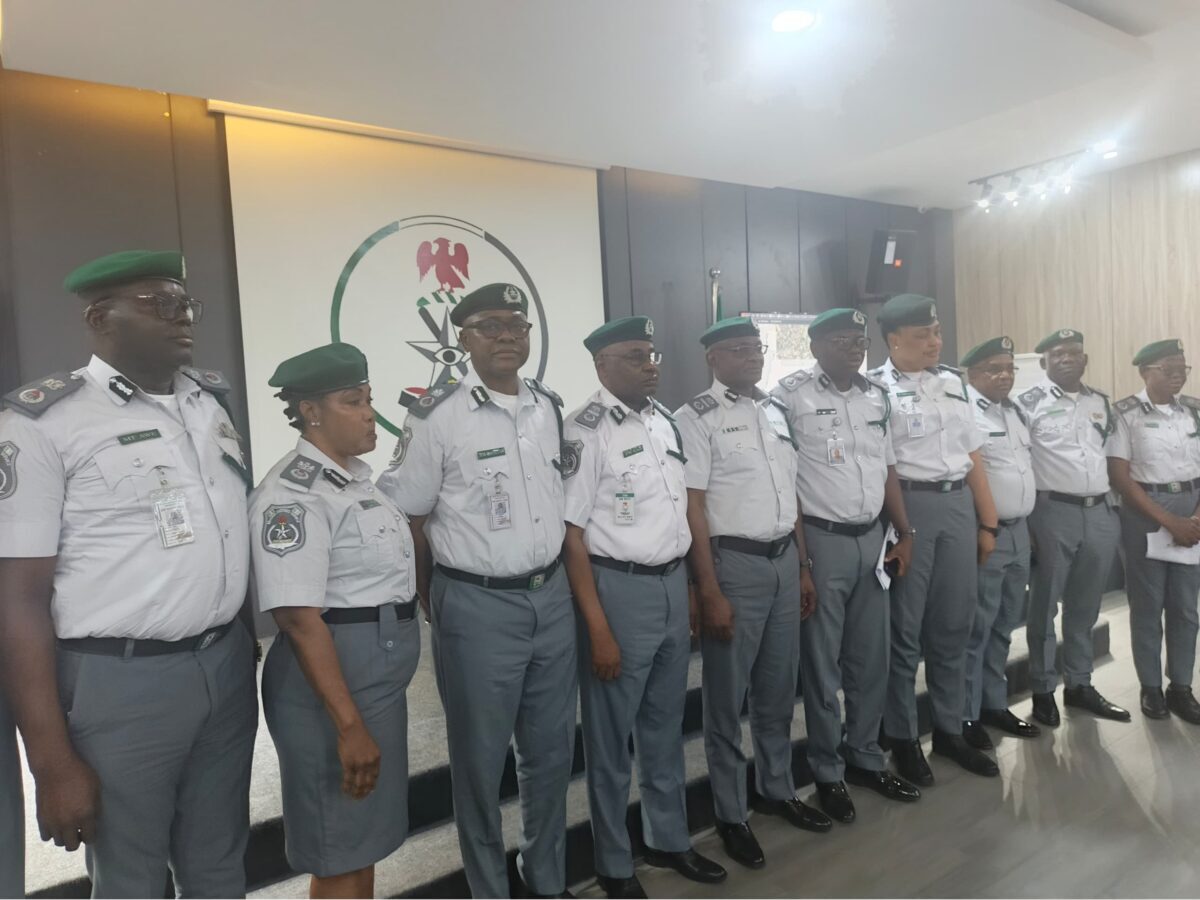
Assistant Comptroller General (ACG) and Zonal Coordinator of Zone A, Charles Orbih, who represented the Comptroller General of Customs, Bashir Adewale Adeniyi, emphasized the transformative nature of the new system in his address.
He described the automated transit process as more than just a technological upgrade, calling it a strategic shift designed to place Nigeria at the forefront of global trade efficiency. According to him, the system will revolutionize customs operations by reducing the time and complexity involved in cargo clearance, minimizing the risk of cargo diversion, and improving overall supply chain efficiency.
Orbih highlighted key objectives of the initiative, noting that automation would significantly speed up customs clearance by reducing bottlenecks, shortening clearance times, and providing faster access to goods.
He pointed out that with the introduction of real-time tracking, the risk of cargo diversion or loss would be minimized, thereby boosting confidence among stakeholders. The system, he said, would bring greater transparency and accountability by eliminating manual processes and ensuring that every shipment is monitored from departure to arrival.
This, in turn, would limit opportunities for corruption and errors while fostering trust between Customs and its trade partners.
He further noted that aligning with international best practices through automation would enhance Nigeria’s attractiveness as a global trade destination.
Beyond efficiency, the system is expected to reduce operational costs, improve revenue collection, enhance border security, and combat smuggling by providing customs officers with real-time insights into cargo movements. By removing manual processes and introducing automated checks, he explained, the system would strengthen accountability and transparency while allowing importers and logistics companies to track their shipments in real time.
Orbih stressed the importance of collaboration in ensuring a smooth transition to the new system. He called on stakeholders to actively participate in the implementation process, provide feedback, and contribute their expertise to refine and optimize the system. He reiterated that the success of the Automated Transire System Process depended on collective efforts and cooperation between Customs officers, logistics operators, and other stakeholders in the trade ecosystem.
Also speaking at the training, Assistant Comptroller General of ICT, Z. M. Gaji, who represented the Deputy Comptroller General of Modernization, Kikelomo Adeola, described the automation of transire processes as a game-changer for customs operations in Nigeria.
He noted that the training was structured into two sessions: one for desk officers who would be directly managing the system and another for stakeholders to familiarize them with the new process. According to Gaji, the new system was developed in-house by Customs ICT officers, rather than external service providers, ensuring that it is tailored to Nigeria’s specific trade environment.
Gaji emphasized the major benefits of automation, including a significant reduction in clearance times, enhanced transparency in customs procedures, improved revenue collection through better monitoring, and minimized opportunities for corruption.
He further explained that the system would provide a robust tracking and monitoring mechanism for improved trade management, thereby fostering a more predictable and efficient trade environment.
Before full deployment, Gaji explained that the NCS would adopt a phased approach, including extensive stakeholder engagement, a user acceptance test (UAT), and a pilot rollout at selected locations. He stressed the importance of these steps in refining the system and ensuring that it meets operational realities and industry needs.
He encouraged stakeholders to actively engage in the process, provide insights, and contribute to discussions that would help optimize the system before its nationwide implementation.
During the interactive session, several senior Customs officers raised critical questions regarding the new system’s implementation and functionality. The Customs Area Controller (CAC) of Apapa Command, Babatunde Olomu sought clarification on whether the Automated Transire System was designed to track officers or containers.
In response, the trainer explained that the system primarily tracks officers to ensure accountability in cargo movements. However, he added that under the broader B’odogwu framework, container tracking capabilities would also be integrated in the future to enhance security and monitoring.
Similarly, the CAC of Tin Can Island, Command Frank Onyeka inquired about the system’s functionality during weekends, questioning whether it would remain operational even when officers were not physically present in the office.
The trainer assured participants that the process was designed to function round the clock, including weekends, as the automated nature of the system allows for continuous cargo processing without manual intervention.
He emphasized that one of the key advantages of automation is its ability to facilitate seamless operations, reducing dependence on physical presence.
Another critical question came from the CAC of PTML, who queried why the process would still require validation after the CAC had already given approval.
Addressing this concern, the trainer explained that the validation step was introduced as an additional security measure to ensure compliance with all procedural requirements before cargo movement.
He noted that this extra layer of verification is crucial in preventing errors, unauthorized transfers, or potential abuses of the system.
The training session also featured a live demonstration by Assistant Comptroller Usman Abba, a key member of the Customs ICT team. Abba provided a detailed walkthrough of the Automated Transire System Process, explaining the step-by-step procedure for transferring goods from border ports to terminal destinations. He highlighted the requirement for a valid bond before initiating a transfer and outlined how the system facilitates seamless tracking of cargo movements.
He further explained the internal approval process, where applications for cargo transfer are validated through a series of automated checks before being assigned to the appropriate officers. The system ensures that all payments are processed and verified before cargo movement, reducing discrepancies and unauthorized diversions. Abba also demonstrated how the tracking system operates, showing how Customs officers and stakeholders can monitor the movement of shipments from the point of departure to the final terminal.
The training underscored the commitment of the Nigeria Customs Service to modernizing its operations through digital transformation. The introduction of the Automated Transire System Process marks a significant step towards aligning Nigeria’s customs procedures with global best practices.
With its potential to improve efficiency, enhance security, and boost revenue generation, the system is expected to play a crucial role in strengthening Nigeria’s position in international trade.
As the NCS prepares for the full rollout of the system, stakeholders have been urged to actively participate in the ongoing engagement processes to ensure a smooth transition. The Customs leadership reiterated its commitment to continuously improving trade facilitation measures, emphasizing that the success of the new system depends on collaboration and adherence to the principles of transparency, efficiency, and accountability.