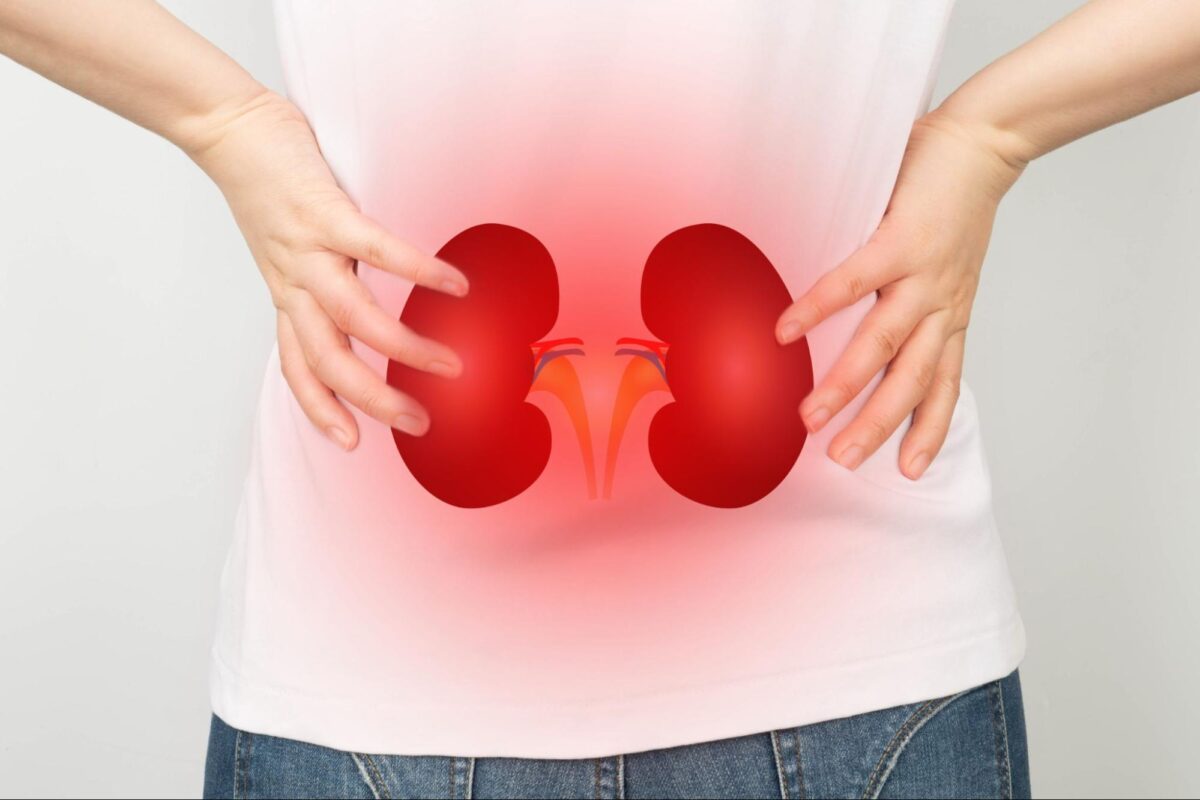
Your kidneys are two small, bean-shaped organs that sit below the ribs on either side of the spine. Roughly the size of a fist, kidneys are in charge of filtering the blood and removing toxic substances from the food we eat, expelling these toxins out in the form of waste products. Kidneys also help maintain the delicate balance of fluids in the body.
Your kidneys filter about 200 quarts of fluid every day — enough to fill a large bathtub. During this process, your kidneys remove waste, which leaves your body as urine (pee). Most people pee about two quarts daily. Your body re-uses the other 198 quarts of fluid.
Your kidneys also help balance your body’s fluids (mostly water) and electrolytes. Electrolytes are essential minerals that include sodium and potassium.
——–Some Things That Are Actually Damaging The Kidneys——
Your kidneys are two small, bean-shaped organs that sit below the ribs on either side of the spine. Roughly the size of a fist, kidneys are in charge of filtering the blood and removing toxic substances from the food we eat, expelling these toxins out in the form of waste products. Kidneys also help maintain the delicate balance of fluids in the body.
If our kidneys are not working properly, our body cannot function. The breakdown of kidneys can lead to Chronic Kidney Disease (CKD), an umbrella term that covers various conditions that damage your kidneys and decrease their performance ability.
CKD can lead to complications like high blood pressure, low blood count, weak bones, poor nutrition and nerve damage, and can increase the risk of heart and blood vessel diseases. The damage caused by CKD occurs over a long period of time, and if left untreated, may lead to eventual kidney failure, which is treated by renal dialysis and kidney transplant.
The two main causes of CKD are high blood pressure and diabetes, and the various symptoms include fatigue, insomnia, muscle cramping, swollen feet and ankles, lack of appetite, trouble concentrating, puffy eyes, itchy skin and the frequent need to urinate.
Anyone can be at risk of potential kidney disease, but maintaining a healthy lifestyle can dramatically decrease your risk. It’s important to know what can cause kidney damage, and here are the 20 that might surprise you.
- Red Meat
Red meat is a great source of protein, but did you know that including too much meat in your diet can put you at a higher risk of kidney disease? A study published in the Journal of the American Society of Nephrology that investigated the long-term effects of red meat consumption discovered a correlation between red meat intake and an increase in the risk of kidney failure. The study, conducted by Dr. Woon-Puay Koh, followed 63,257 adults in Singapore for an average of 15.5 years and found that people consuming the highest amounts of red meat had a 40% increased risk of developing the end-stage renal disease (ESRD).
Red meat, when eaten in excess, can produce waste products that damage kidney filtration and have a negative impact on our health. The protein found in red meat produces by-products that can put added stress on kidney function, and when this protein is broken down it releases a compound called urea. Too much urea can build up and contribute to kidney damage, especially if your kidneys are already weakened.
Red meats like beef, pork, and lamb also contain more saturated fats and cholesterol than other types of meat, which can raise cholesterol levels, worsen heart disease, and increase the risk of renal artery disease.
To avoid any risk, Dr. Koh suggests limiting the amount of red meat consumed on a weekly basis, by substituting meat with fish/shellfish and poultry or switching to plant-based protein alternatives like soy and legumes. Alternatively, the American Institute for Cancer Research recommends eating no more than 18 ounces of red meat per week.
- Alcohol
Alcohol can be considered the most socially acceptable drug. Technically a depressant, which means it slows down your brain and affects the way it sends and receives messages, alcohol can also badly damage your kidneys by changing the way they function.
Drinking alcohol frequently can increase the risk of high blood pressure and diabetes, which can be a precursor to kidney disease and can lead to eventual kidney failure. Moderate alcohol consumption isn’t considered a risk to healthy kidneys, but for those who have onset kidney problems, the damage can be extensive.
Alcohol has many other harmful effects. A study published in the Nephrology Dialysis Transplantation Journal discusses the effects of alcohol and the potential for chronic kidney disease. Aside from damage to your kidneys, excessive alcohol consumption also puts you at a higher risk of hypertension and stroke.
According to the National Kidney Foundation, more than four alcoholic drinks a day can have a negative effect on your health and worsen kidney disease. Though further research is needed to properly understand the relationship between high alcohol consumption and kidney disease, it’s still better to err on the side of caution and limit the amount of alcohol you ingest.
*To be concluded
—–FAQs About Kidneys—–
- Is drinking a lot of water good for my kidneys?
Drinking an appropriate amount of water is good for your kidneys. Water helps your kidneys get rid of toxins and wastes through your pee. It also helps keep your blood vessels healthy, making it easier for blood to deliver necessary nutrients to your kidneys.
It’s also a good idea to drink an appropriate amount of water to help prevent kidney stones and urinary tract infections (UTIs). Kidney stones are less likely to form when you have enough water in your kidneys. You’re less likely to get a UTI when you drink a lot of water because you’ll pee more. Peeing helps flush out the bacteria that cause UTIs.
In general, the color of your pee can reveal if you’re drinking enough water. Your pee should be light yellow or clear if you’re drinking enough water. If you’re dehydrated, your pee will be dark yellow.
- How much water should I drink to keep my kidneys healthy?
On average, males should drink about 13 cups (3 liters) of water each day. On average, females should drink about 9 cups (a little over 2 liters) of water each day.
- What are the first signs of a kidney problem? Symptoms can include:
weight loss and poor appetite.
swollen ankles, feet or hands – as a result of water retention (oedema)
shortness of breath.
tiredness.
blood in your pee (urine)
an increased need to pee – particularly at night.
difficulty sleeping (insomnia)
itchy skin.
- What is the best drink to flush your kidneys?
Water has no calories, sugar, or additives. It is, without a doubt, the best choice for kidney health. Kidneys use water to filter waste and keep the body working correctly. Drinking enough water also helps prevent kidney stones and urinary tract infections, which can worsen kidney problems.
Which fruit cleans the kidneys?
Watermelon is a mild diuretic. It hydrates and cleanses the kidneys. It is also rich in lycopene, which improves cardiovascular health and ensures well-functioning kidneys. Watermelon also has large quantities of potassium salts which regulate acidity of urine and prevents stone formation.
- What color is urine when your kidneys are failing?
When kidneys are failing, urine can be a variety of darker colors, including dark yellow, amber, brown, or even red or pink if blood is present. This is due to the kidneys’ reduced ability to filter waste products and excess fluid from the blood, causing these substances to accumulate and alter the urine’s color.
- Where is kidney pain felt?
Kidney pain is typically felt in the side (flank) or lower back, just below the rib cage, and can sometimes radiate to the abdomen or groin. It often feels like a dull ache or a sharp, stabbing pain. Unlike muscle pain, kidney pain is often constant and may not be relieved by changing positions.