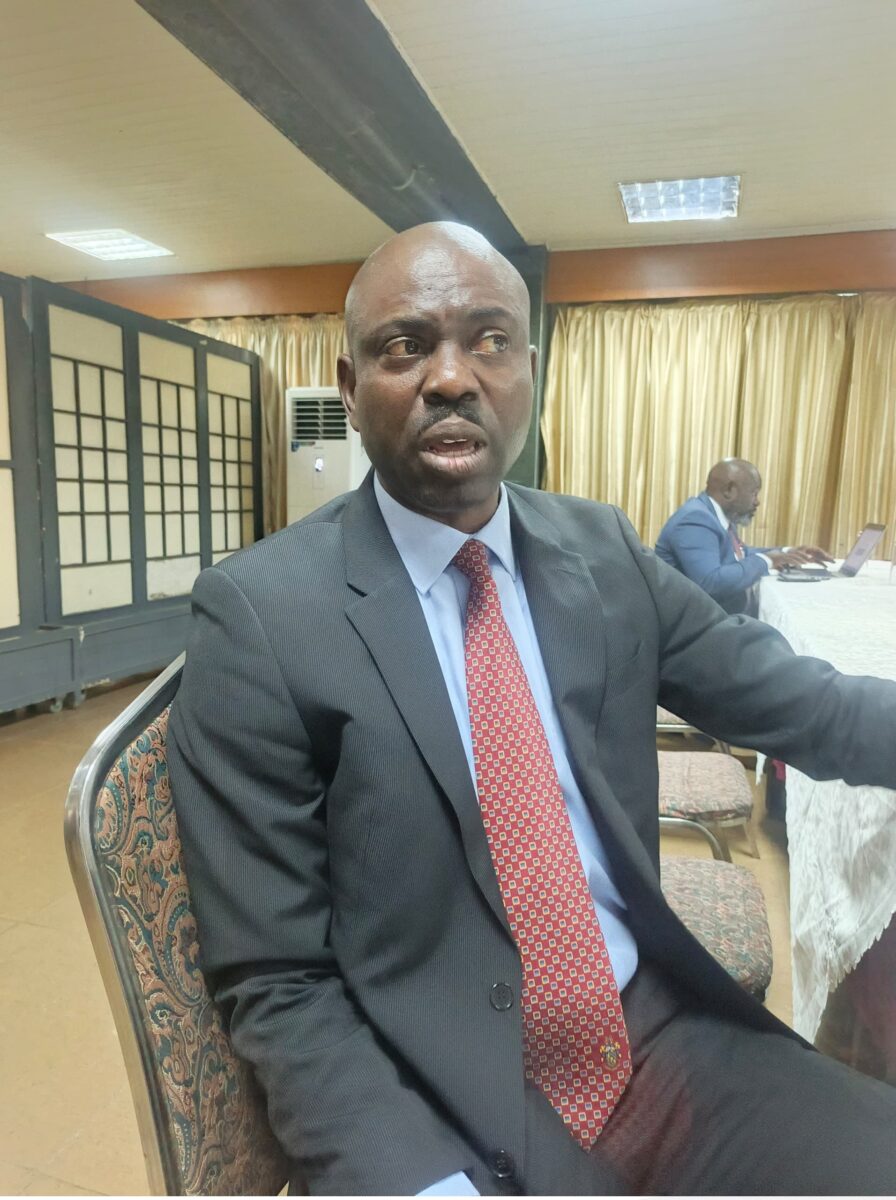
As Nigeria grapples with the challenges of port operation, outdated infrastructure, and the growing demand to maximize the gains of the African Continental Free Trade Agreement (AfCFTA), the role of professional shipbrokers has never been more critical. In this exclusive interview with our Correspondent Oluyinka Onigbinde, Chairman of the Nigerian chapter of the Institute of Chartered Shipbrokers (ICS); Mr. Sesan Ajayi discusses pressing issues in the maritime sector—from regulatory fragmentation and high logistics costs to the prospects of Nigeria’s new Marine and Blue Economy policy.
- Instead Of Waivers, We Should Promote Chartering Through Shipbroking
- It’s cheaper to ship cargo to Europe than to neighboring African ports
- Shipbroking can serve as a catalyst for local content
What are the most pressing emerging maritime industry issues in Nigeria, and how can the ICS help address them?
One key challenge is infrastructural deficit. Our ports were built to handle 50 million metric tonnes, but are now processing over 100 million metric tonnes, which overstretches their capacity. Fortunately, new deep-sea ports equipped with automated cargo handling systems are helping. However, we still face delays in cargo delivery at some terminals, which are being mitigated through cargo stemming. Port and economic regulators are working more collaboratively to address these concerns, especially under ongoing port reforms. Security has also improved, though we still suffer from high insurance premiums and we haven’t been removed from the global piracy watchlist. Regulatory inconsistency and fragmentation, alongside logistics costs (23% of GDP versus a global average of 12%), are other issues. We must strengthen regulation, improve infrastructure inland and at ports, and ensure efficient policy execution to enhance the ease of doing business.
How can shipbroking practice support Nigeria in benefiting from the African Continental Free Trade Agreement (AfCFTA)?
Currently, Nigeria has fewer than 40 qualified shipbrokers, with many unqualified individuals practicing. This gap limits our contribution to intra-African trade. Shipbrokers are crucial to improving intra-Africa liner services, which are underdeveloped. Today, it’s cheaper to ship cargo to Europe than to neighboring African ports like Abidjan, due to irregular services and capacity issues. We can support the AfCFTA by pooling investments, organizing coastal shipping arrangements, facilitating time or voyage chartering, and creating efficient trade corridors (West, East, and Southern Africa). With the right shipbroking structure, goods need not route through Europe or Asia before reaching African destinations.
What is your perspective on Nigeria’s new Marine and Blue Economy Policy, and its impact on the maritime sector?
The new policy is a commendable move. It aims to leverage ocean resources, improve port efficiency, promote aquaculture, shipbuilding, and renewable marine energy. Its goal is to raise the maritime sector’s GDP contribution from under 1% to over 6% by 2030, aligning with UN SDG-14. However, there is a gap: the policy doesn’t cover port and coastal clusters. Including these would allow regions to specialize, generate employment, and unlock marine potential across Nigeria. Effective implementation must be PPP-driven to move from good to excellent outcomes.
How can the ICS promote the growth of shipbroking practice in Nigeria?
Shipbroking is a major global business, but in Nigeria it’s still developing. It can serve as a catalyst for local content. Many local operators can’t afford specialized vessels and rely on waivers, but shipbroking offers an alternative—through strategic chartering. We commend NIMASA for involving commercial banks in vessel financing, but the conditions still exclude many locals. Shipbroking can bridge these technical and financial gaps, improve documentation, standardize agreements (like charter parties), and encourage indigenous participation in offshore and dry bulk cargo movement.
Besides NIMASA’s policies, what other regulatory challenges does the industry face, and how can they be addressed?
Regulation is fragmented. For instance, NIMASA doesn’t issue waivers—the Federal Ministry does, only when local capacity is lacking. Instead of relying on waivers, we should promote chartering through shipbroking. There’s no vessel type—rigs, ships, offshore craft—that cannot be acquired via time or voyage chartering. We urge regulators to require chartering as the first option before considering waivers. That way, local capacity can develop sustainably.
How can the government grow maritime revenue and improve the sector’s GDP contribution?
By fully implementing the Marine and Blue Economy policy. This includes regulation, capacity building, and performance monitoring for both public and private stakeholders. A realistic target would be increasing maritime GDP share to 7–10% by 2030, which will boost employment, industrial development, and export capacity.
What training and capacity-building programmes does ICS offer to Nigerian shipbrokers?
We have three main programmes: Professional Qualifying Exams, which is for Diploma and Advanced Diploma. There is Dissertation Route — for industry professionals who want to become Members; this takes about two years and focuses on specialization. There are also Certificate Courses — like “Understanding Shipping,” CPDs, and custom programmes tailored to company needs. We also offer student membership and grant access to international-standard exams to develop expertise in commercial maritime trade.
How does ICS collaborate with international organisations to enhance shipbrokers’ skills in Nigeria?
Our headquarters is in London, which is also the global hub for commercial shipping. We partner with BIMCO, IMO, the Baltic Exchange, and the World Maritime University. Our curricula are aligned with global trade benchmarks. We also plan to engage more with Nigerian universities—over 20 of which offer maritime programmes to facilitate exchange programmes and practical training aligned with industry needs.