By Joshua Yousouph
The Importers Association of Nigeria (IMAN) has declared its readiness to engage in constructive dialogue with relevant authorities and stakeholders over proposed tariff adjustments in the maritime sector, while firmly rejecting any increase not backed by proper consultation and transparent justification.
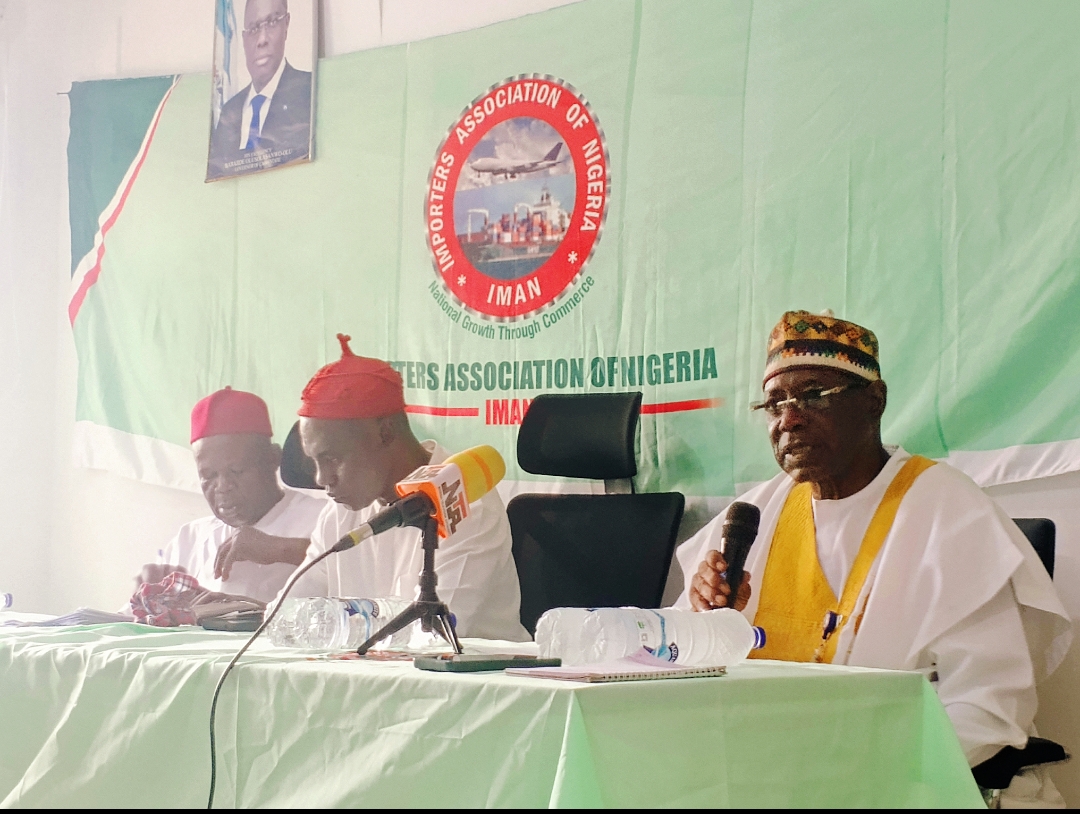
Speaking during a press conference in Lagos on Tuesday, the South West Zonal Chairman of IMAN, Joseph Ozurumba Ajoku, said the association was not opposed to dialogue but would resist arbitrary tariff hikes by shipping lines and terminal operators.
Ajoku stated that importers, who are direct payers of port charges, were not adequately consulted before the approval of the proposed increases by the Nigerian Shippers’ Council.
According to him, importers remain critical stakeholders in Nigeria’s maritime industry and major contributors to government revenue through import-related activities.
He argued that increasing tariffs at a time when businesses are grappling with foreign exchange volatility, inflation, high operational costs and weak consumer purchasing power would further worsen the economic burden on Nigerians.
The association also questioned the operational efficiency of shipping lines and terminal operators in Nigeria, insisting that there had been no significant improvement in service delivery to justify another tariff increase barely two years after the last review.
Ajoku compared Nigeria’s port charges with those of neighbouring countries, noting that the cost of clearing containers in countries such as Benin Republic remains significantly lower than at Apapa Port.
He disclosed that clearing a 20-foot container in Benin Republic costs between N7 million and N8 million, compared to between N14 million and N15 million in Nigeria.
The association further raised concerns over alleged infractions by shipping lines, including delays in refunding container deposits and the imposition of unapproved charges on importers.
IMAN warned that persistent increases in tariffs and terminal charges could lead to cargo diversion to neighbouring countries, reduction in government revenue, collapse of import businesses, job losses and increased inflationary pressure on the economy.
The association urged the Nigerian Shippers’ Council to ensure that shipping lines and terminal operators comply strictly with regulatory guidelines requiring meaningful engagement with stakeholders before implementing tariff adjustments.
IMAN reiterated that while it remains open to discussions aimed at improving the maritime sector, any tariff increase must be based on transparency, efficiency improvements and broad stakeholder consultation.