Your legs are complex limbs that allow for movement and stability, consisting of the hip, thigh (upper leg), knee, lower leg (shin and calf), ankle, and foot. Key bones include the thigh bone (femur), tibia (shin bone), and fibula. Major muscles include the quadriceps in the front of the thigh for straightening the knee, the hamstrings in the back of the thigh for bending the knee, and the calf muscles in the lower leg for moving the foot.
—Your health and your legs—-
To promote leg health, maintain a healthy weight, stay hydrated, and incorporate regular exercise, such as 30 minutes of brisk walking daily. Avoid smoking, limit alcohol, and monitor your cholesterol and blood pressure to support overall cardiovascular and vascular health. Gentle stretching before and after activity can prevent injuries, and seeking professional advice is crucial for persistent pain or concerning symptoms like changes in leg color or temperature.
- What are the symptoms of unhealthy legs?
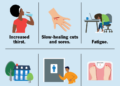
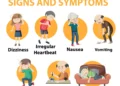
Leg problems may be minor or serious. They may include symptoms such as pain, swelling, cramps, numbness, tingling, weakness, or changes in temperature or colour. Symptoms often develop from exercise, everyday wear and tear, or overuse. Older adults have a higher risk for leg problems.
- Exercise Regularly: Engage in 30 minutes of brisk walking most days of the week to improve circulation and reduce the risk of various health problems.
- Maintain a Healthy Weight: Excess weight puts pressure on your legs, increasing the risk of strain and injury.
- Stay Hydrated: Drink plenty of water and fluids to help prevent leg cramps and maintain overall body function.
- Quit Smoking: Smoking negatively impacts blood flow to your legs, increasing your risk of vascular diseases.
- Monitor Blood Pressure and Cholesterol: Keeping these under control supports your overall cardiovascular health, which is vital for leg health.
- Limit Alcohol: Reduce alcohol consumption to prevent potential negative effects on your health.
Preventing Injuries
Warm-Up and Stretch: Always stretch and warm up your muscles before and after exercise to increase flexibility and prevent muscle tears and strains.
Gradually Increase Intensity: When exercising, increase the intensity and duration of your workouts slowly to allow your muscles to adapt.
Use Comfortable Gear: Wear comfortable shoes and clothing that allow for a full range of motion and prevent stiffness.
—-When to see a doctor—–
While minor issues like cramps can often be managed at home, you should seek medical attention if you experience more serious symptoms such as:
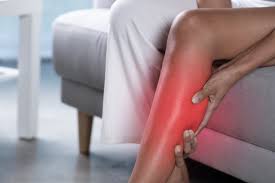
- Swelling, redness, warmth, or sudden, severe pain in your leg.
- Your leg is pale or feels unusually cool to the touch.
- A wound on your leg or foot that does not heal.
- Leg pain that gets worse with walking.
- Both legs are swollen and you have breathing problems.
- Pain in your calf after a long period of sitting.