The World Health Organisation (WHO) has warned that uncontrolled high blood pressure could put over 1.4 billion people at risk of premature death.
WHO, in its second Global Hypertension Report, released on Tuesday, showed that 1.4 billion people lived with hypertension in 2024, yet just over one in five have it under control either through medication or addressing modifiable health risks.
The new report–released at an event co-hosted by WHO, Bloomberg Philanthropies, and Resolve to Save Lives during the 80th United Nations General Assembly in New York.
It also reveals that only 28 per cent of low-income countries report that all WHO-recommended hypertension medicines are generally available in pharmacies or primary care facilities.
Hypertension is a leading cause of heart attack, stroke, chronic kidney disease, and dementia.
It is both preventable and treatable – but without urgent action, millions of people will continue to die prematurely, and countries will face mounting economic losses.
From 2011 to 2025, cardiovascular diseases–including hypertension–are projected to cost low- and middle-income countries approximately US$ 3.7 trillion, equivalent to around 2 per cent of their combined GDP.
“Every hour, more than 1000 lives are lost to strokes and heart attacks from high blood pressure, and most of these deaths are preventable,” Dr Tedros Ghebreyesus, WHO Director-General, said.
“Countries have the tools to change this narrative. With political will, ongoing investment, and reforms to embed hypertension control in health services, we can save millions and ensure universal health coverage for all.”
“Uncontrolled high blood pressure claims more than 10 million lives every year, despite being both preventable and treatable.
“Countries that integrate hypertension care into universal health coverage and primary care are making real progress, but too many low- and middle-income countries are still left behind,” sDr Kelly Henning, who leads the Bloomberg Philanthropies Public Health Program, said
“Strong policies that raise awareness and expand access to treatment are critical to reducing cardiovascular disease and preventable deaths.”
Analysis of data from 195 countries and territories shows that 99 of them have national hypertension control rates below 20 per cent. The majority of the affected people live in low- and middle-income countries, where health systems face resource constraints.
The report highlights major gaps in hypertension prevention, diagnosis, treatment, and long-term care.
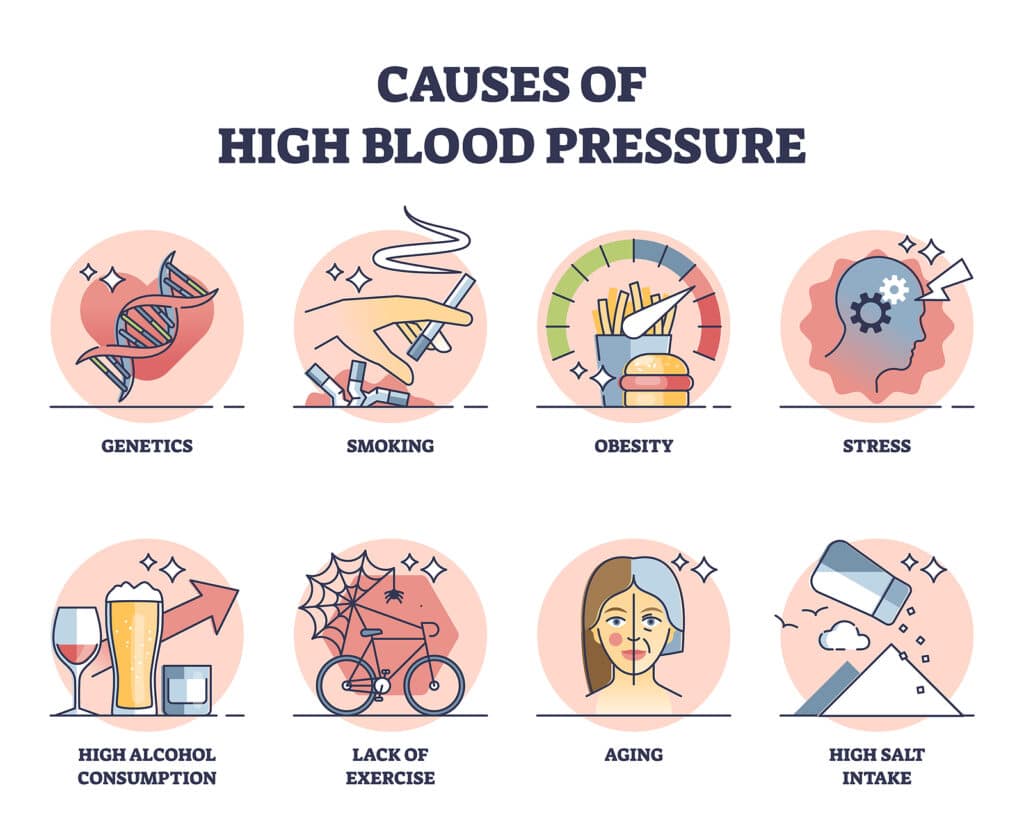
Key barriers include weak health promotion policies (on risk factors such as alcohol, tobacco use, physical inactivity, salt, and trans fats), limited access to validated blood pressure devices, lack of standardised treatment protocols and trained primary care teams.
Other barriers are unreliable supply chains and costly medicines, inadequate financial protection for patients, and insufficient information systems to monitor trends.
Blood pressure medication is one of the most cost-effective public health tools. Yet only seven out of 25 (28 per cent) of low-income countries report general availability of all WHO-recommended medicines, compared to 93 per cent of high-income countries.
The report explores the barriers and strategies for improving access to hypertension medication through better regulatory systems, pricing and reimbursement, procurement and supply chain management, and improved prescribing and dispensing of these medicines.
“Safe, effective, low-cost medicines to control blood pressure exist, but far too many people can’t get them,” Dr Tom Frieden, President & CEO, Resolve to Save Lives. said.
“Closing that gap will save lives, and save billions of dollars every year.”
In spite of barriers, progress is possible. Bangladesh, the Philippines, and South Korea have made significant progress by integrating hypertension care into universal health coverage (UHC), investing in primary care, and engaging communities:
Bangladesh increased hypertension control from 15 per cent to 56 per cent in some regions between 2019-2025 through embedding hypertension treatment services in its essential health service package and strengthening screening and follow-up care.
The Philippines has effectively incorporated the WHO’s HEARTS technical package into community-level services nationwide.
South Korea has integrated health reforms, including low costs for antihypertensive medications and limiting patient fees, which have resulted in the high rate of blood pressure control nationally: 59 per cent in 2022.
WHO, however, called on all countries to embed hypertension control in UHC reforms.
Implementing the measures recommended in the report could prevent millions of premature deaths and ease the massive social and economic toll of uncontrolled high blood pressure.
——What High Blood Pressure Means—–
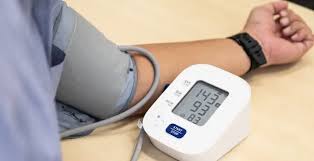
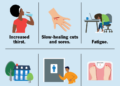
High blood pressure, or hypertension, is when your blood pressure is consistently 130/80 mm Hg or higher, a condition diagnosed by averaged readings over time and categorized into stages. While usually symptomless, it significantly increases your risk for severe health problems like heart attack, stroke, kidney disease, and vision loss. Diagnosis is based on consistent readings, and treatment involves lifestyle changes such as diet and exercise, and possibly medication.
- Systolic and Diastolic Pressure: Blood pressure has two numbers.
Systolic pressure: (top number): The pressure in the arteries when the heart beats.
Diastolic pressure: (bottom number): The pressure in the arteries when the heart rests between beats.
- Blood Pressure Categories
Normal: Lower than 120/80 mm Hg
Elevated: Systolic between 120 and 129 mm Hg AND diastolic less than 80 mm Hg
Stage 1 Hypertension: Systolic 130–139 mm Hg OR diastolic 80–89 mm Hg
Stage 2 Hypertension: Systolic 140 mm Hg or higher OR diastolic 90 mm Hg or higher
Hypertensive Crisis: Systolic higher than 180 mm Hg OR diastolic higher than 120 mm Hg. Call your provider immediately.
- Health Risks
Uncontrolled high blood pressure can lead to serious complications, including:
Heart Attack and Stroke: Blocked or burst blood vessels in the heart or brain.
Heart Failure: The heart becomes enlarged and struggles to pump blood effectively.
Kidney Disease or Failure: Damage to kidney blood vessels impairs their ability to filter blood.
Vision Loss: Damage to the blood vessels in the eyes.
Sexual Dysfunction: In both men and women.
Managing High Blood Pressure
Lifestyle Changes:
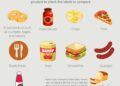
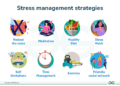
A heart-healthy diet (like DASH or Mediterranean), regular physical activity, and avoiding excessive alcohol and salt intake can significantly help.
Medication:
A healthcare provider may prescribe medication to help control blood pressure.
Regular Monitoring:
Getting your blood pressure checked at least once a year and monitoring it at home is crucial for early detection and management.
Key Takeaway
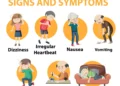
Because high blood pressure often has no symptoms until serious damage occurs, regular blood pressure checks are vital.