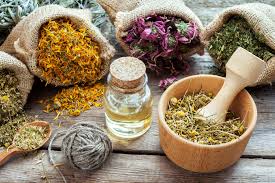
The National Agency for Food and Drug Administration and Control (NAFDAC) is partnering with the Nigeria Natural Medicine Development Agency (NNMDA) to develop herbal medicines to ensure safety, efficacy, and global acceptance.
This is contained in a statement by NAFDAC resident media consultant, Mr Olusayo Akintola.
In the statement, NAFDAC’s Director-General, Prof. Mojisola Adeyeye, was quoted as saying that, Nigerian herbal medicine practitioners have the capacity to formulate safe and effective indigenous natural remedies that meet international standards
She said that NAFDAC has two types of approval for herbal medicines, adding that the first type is a ‘listing’ (L) approval, which is granted after the product has been evaluated in the agency laboratory for toxicology safety tests and with satisfactory results.
Adeyeye said that products in this approval category are listed for a period of two years, with a NAFDAC number bearing the letter “L” at the end.
She said that the second approval type requires that clinical trials be conducted on the product to prove the efficacy of such a product, saying that if this is done in a well-designed protocol with proven efficacy, a full approval with five-year validity is given.
The NAFDAC boss identified cost as a major obstacle preventing herbal medicine practitioners from subjecting their products to clinical trials.
She said that NAFDAC has listed thousands of herbal medicines, with only a few products that have gone through clinical trial outcomes, but such cannot be given 5-year approval without passing the efficacy test through a clinical trial.
“We know that herbal medicine works. It is how to ascertain through clinical trial the level it can be used that patients will be safe, and above which there could be no damage to the liver, the kidney, and other internal organs.
“The fact that it is natural, doesn’t mean that it is all safe. ‘That is where NAFDAC regulation and control comes in,” she stressed.
She recalled that the agency launched the herbal medicine products committee just before the COVID-19 pandemic, which brought the practitioners, Ministry of Health, NAFDAC and researchers together.
Adeyeye said that this partnership effort is very important because the practitioners know what their forefathers have been using, while the researchers know the science.
According to her, NAFDAC is looking for funding to assist herbal medicine practitioners in the conduct of clinical trials, which is highly capital-intensive.
She equally noted that the agency is working assiduously with the NNMDA to ensure that clinical trial is conducted for the medicines that have met the regulatory requirements for listing.
Adeyeye said that NAFDAC has been educating the herbal medicine practitioners who intend to register products through stakeholders’ meetings.
She said that the agency has gone ahead to publish a simple floor plan on the website as a guide for the practitioners, while averting that it does not necessarily to have a big place to use for production.
The NAFDAC boss maintained that the factory must be well-ordered to allow a good workflow so that there will not be contamination.
‘We are working with our practitioners. We are approving herbal medicines daily in NAFDAC, but we are working towards a phase where we will have a national formulary for those that have had clinical trials and have been proven to be very effective,’ she said.
Adeyeye stated that before her appointment at NAFDAC, she was a professor in the United States, adding that at the university, she led a project that developed an anti-sickling polyherbal medicine.
“This medicine, which NAFDAC listed many years before my tenure, was tested in a laboratory settings by incubating it with blood samples from children with sickle cell disease to prove its anti-sickling effect.
“Two research papers were published, confirming both the anti-sickling and anti-infective properties of the medicine.
‘We conducted a clinical trial approved by the Ethics Committee of Bowen University and the Institutional Review Board of my University in the U.S on the polyherbal in July before my assumption of office in NAFDAC in November 2017’.
She added that the trial showed that the product was efficacious but needed more data and funding for completion.
NAFDAC, she said, is determined to assist herbal medicine practitioners, especially in the areas of clinical trials, adding that it will jointly mobilise resources with NNMDA to get some fully registered.
–We’ve Turned To God, Traditional Medicine For Healing – Diabetic, Hypertensive Patients—
Some diabetic and hypertensive patients say they’ve resorted to praying to God for healing amid the increasing cost of medication for diabetes, hypertension and other illnesses.
For some, they now use local herbs and medicine to manage their ailment.
The patients spoke to the News Agency of Nigeria (NAN) in Lagos on Sunday.
According to them, the increasing cost of medicines have left them in despair and fear of complications from the diseases, saying the alternative is to turn to God for healing.
A 62-year-old retiree, Mrs Agnes Adenike, said that she had uncontrolled blood sugar, blood pressure, and high cholesterol level, which was managed by healthy eating, regular exercise, weight loss and diabetes medication.
“When I started treatment two years ago, I was placed on 1000mg Merck Glucophage, which cost N2000 per pack but now sells for N11, 350; Nifedipine was N800 now goes for N3,500.
“A pack of Lipitor Atorvastatin Calcium 20mg was N3000 now sells for N30,600, Bondomet was N70 per sachet now N400. I use a pack of each medicine per month.
“They said eat healthy, but now a piece of egg goes for N150, a sizeable piece of apple costs N400; the cost of living is choking life out of the living. We are standing by God’s grace.
“My pension is N27,000 per month, and there’s no way I could afford all these. I spoke with my physician about alternative brands of medicines to reduce cost.
“However, after one month of use, I was hospitalised because the alternative drugs weren’t controlling my condition. Upon discharge from the hospital, I’ve resorted to healing service at various churches, months after I’m doing well,” she said.
Similarly, Mr Isaiah Hezekiah, a businessman, said that managing diabetes in the current economic situation was unaffordable for many patients.
“We all meet at the diabetes clinics, and from discussions, I notice that many patients are developing complications from treatment disruption. The drugs are too expensive.
“Even the health insurance aren’t helping; many of them exist on paper only, most of their enrollees are denied access to care and you can’t get the quality drugs needed to survive diabetes.
“I alternate use of my medications with herbs and Holy Communion. My physician disapproves of the practice, but that’s the best I can do for now considering the economic situation,” he said.
Similarly, due to the continuous increase in the prices of medication in the country, some other Nigerians told NAN that they resorted to taking traditional/local medicines including herbs and other alternative therapies to manage their illnesses.
According to them, they can no longer afford their routine drugs the orthodox way, hence embracing traditional medicines.
Mrs Jumoke Ajayi, 50, a diabetic and hypertensive patient, said she could no longer maintain her routine drugs, noting that the prices skyrocketed with a short period.
Ajayi said she takes herbal concoction to sustain her health, hoping that the prices would drop.
“The increase in the prices of drugs started like a joke and today, I can no longer afford the drugs I use to maintain my health.
“The cost of Glucophage, Exforgent sold for N1,000 and 15,000 respectively. But they are currently sold at N3,000 and N35,000.
“I have gone back to my root and started using herbs late last year, to ensure that my health doesn’t turn for the worst.
“I hope the government will do everything to normalise the situation of the country and make drugs more affordable for Nigerians.
Mr Gabriel Afolabi, a businessman, told NAN that he also could no longer single handedly provide drugs for his aged mother.
“I have been the one buying drugs for my mother to manage her Blood Pressure (BP) and rheumatism, but now I can’t do it alone because of the increasing price of drugs.
“At times, she insists on taking herbs because of the cost of drugs
“Government should find a way around this and subsidise the cost of medication for the aged in the country”.
For Mrs Adaeze Achibogu, 65, she told NAN she also had to switch to traditional medicine because of increasing high costs of medication..
She attributed the high cost of drugs to the removal of fuel subsidy and the forex rate.
Also, Mr Michael Okafor said that when he could not buy his drugs again, he was introduced to local herbs or treatment.
He said that with N5,000 a month, he could conveniently get the required local herbs to treat and manage diabetes.
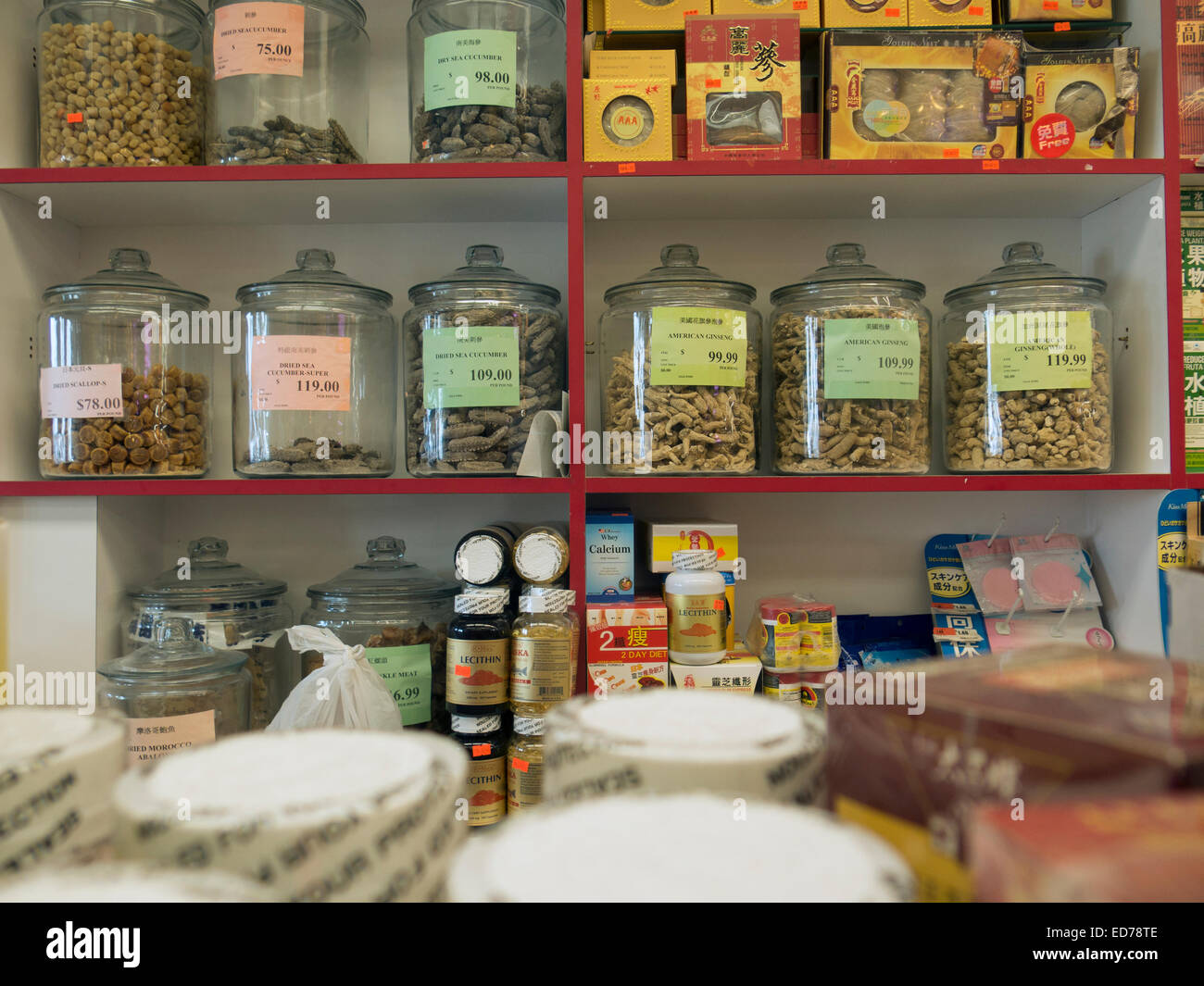
A visit by NAN to a section of the local herbs stall at Ikotun Market , Lagos, revealed that that there were several local herbs for the treatment of diverse health conditions including diabetes and hypertension.
According to Mrs Abiola Ogunsola, a local herb seller (elewe omo), there are various herbs and roots that can be used in the treatment and management of diabetes, depending on the level/stage and type of the diabetes.
Ogunsola said that such herbs and roots included but were not limited to ‘abere (Miracle seed/Huntaria umbellata seed), ewuro (Bitter Leaf/Vernonia amygdalina), ata ire (Alligator pepper/Guinea pepper/Aframomum melegueta), kafura (bark of camphor/menthol/Cinnamomum camphora L),among others.
She said that, of recent, there had been a boost in the market as the foreign exchange had really affected the prices of orthodox drugs.
Commenting on the situation, Dr Oluwajimi Sodipo, Head, Family Medicine Department, Lagos State University Teaching Hospital (LASUTH), said that the exit of some pharmaceutical companies holds wider implications.
According to him, it affects public health initiatives that rely on the companies’ products.
Sodipo noted that their exit over worsening economic conditions and declining revenues had led to scarcity of medicines, increased cost of drugs, disruptions in disease management, and treatment access, which potentially puts patients at risk.
He appealed to the Federal Government to ensure a fair pricing mechanism of life-saving medicine to ensure access to affordable and quality medicines, especially for vulnerable citizens.
Sodipo urged the government to support pharmaceutical companies with funding and favourable macroeconomic policies to enhance local medicine production.
Data from the World Health Organisation showed that 24 million adults are currently living with diabetes, with that number projected to increase to 55 million by 2045.
—–Red Flags, Safety, Regulation ——-
- Consult a doctor: Always speak with a healthcare provider before starting any herbal medicine. They can advise you on potential risks, proper dosages, and whether the herb may interact with other medications or health conditions.
- Do not self-prescribe: Never use herbal remedies to self-diagnose or treat a serious medical condition.
- Beware of “natural” fallacy: Remember that “natural” does not mean safe. Some herbs can have powerful effects on the body and can be toxic if not used correctly.
- Choose reputable products: Herbal products are not always standardized, and quality can vary significantly between brands. Look for reputable manufacturers and products that have been tested and certified by third parties.
- Avoid unregulated sellers: Be cautious when purchasing herbal medicines online, as products from unregulated overseas sources may contain banned ingredients or contaminants.