The Nigeria Centre for Disease Control and Prevention (NCDC) has placed several states on high Ebola preparedness alert after a fresh risk assessment classified Nigeria’s chances of importing the deadly disease as high amid regional outbreaks.
Dr Jide Idris, Director-General of the NCDC said this in a Thursday statement, stressing that Nigeria had not yet recorded any confirmed Ebola Virus Disease case linked to the outbreak.
He explained that the World Health Organization’s Public Health Emergency of International Concern declaration and increasing Ebola cases in the Democratic Republic of Congo and Uganda required intensified surveillance and preparedness activities across Nigeria immediately.
Idris stated that the NCDC conducted a dynamic risk assessment to guide anticipatory and response measures, concluding that Nigeria faced a high Ebola importation risk because of international travel and regional population movement.
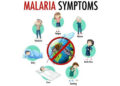
He added that uncertainty surrounding the outbreak’s magnitude and the possibility of delayed recognition were heightened because Ebola symptoms closely resembled common endemic diseases such as malaria and Lassa fever in Nigeria.
According to him, all states and the Federal Capital Territory must maintain Ebola preparedness, although readiness efforts should reflect varying importation and transmission risks identified through the NCDC’s recently developed preparedness classification system.
The agency categorised Lagos, the FCT, Rivers, Kano, Enugu, Borno, Akwa Ibom, Cross River, Taraba, and Adamawa as high-risk states because of international airports, porous borders, and active trade or travel routes.
Idris also identified Ogun, Nasarawa, Kaduna, Plateau, Kogi, Niger, Jigawa, Katsina, Bauchi, Ebonyi, Abia, and Bayelsa as moderate-risk states requiring sustained preparedness efforts against possible Ebola importation and transmission threats.
He said that the WHO declaration underscored the seriousness of the regional threat and highlighted the urgent need for Nigeria to strengthen preparedness measures before detecting any suspected Ebola case domestically.
The NCDC boss explained that national preparedness efforts aimed to ensure every state and the FCT could quickly detect, contain, and respond to suspected Ebola cases while protecting health workers and sustaining healthcare services.
Idris reiterated that Nigeria currently had no confirmed Ebola case linked to the outbreak but warned that increasing regional transmission significantly elevated the country’s importation risk because of population movement and extensive travel networks.
He explained that airports, seaports, porous land borders, informal crossings, trade routes, and overlapping Ebola symptoms with malaria and Lassa fever increased the likelihood of delayed recognition and possible disease spread nationally.
According to him, health authorities in the Democratic Republic of Congo and Uganda had reported 1,077 suspected Ebola cases and 247 deaths, while people aged between 14 and 45 years remained most affected.
He said the outbreak’s case fatality rate stood at 24.6 percent, while both regional and national Ebola risks remained high because of continuing transmission and the absence of approved vaccines for the outbreak strain.
Idris stressed that no approved vaccines or specific treatments currently existed for Bundibugyo Ebola virus disease, making rapid public health interventions critical for containing infections and preventing widespread transmission across vulnerable communities.
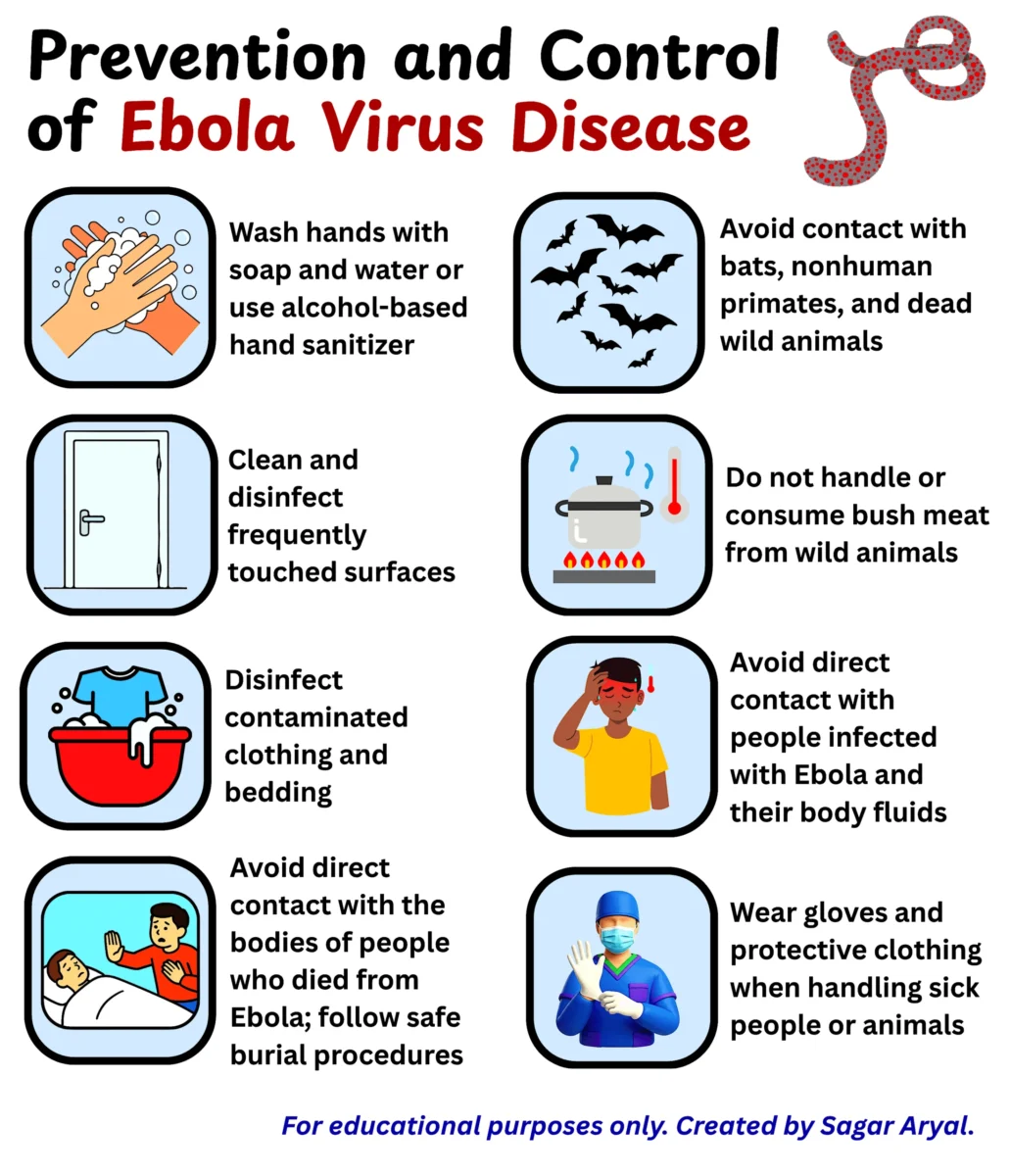
He explained that outbreak control depended largely on early detection, prompt isolation of suspected and confirmed cases, strict infection prevention measures, effective contact tracing, safe burials, community engagement, and strong surveillance systems nationwide.
The NCDC Director-General disclosed that suspected Ebola cases had also been reported in India, while Canada suspended travel applications from residents of the DRC, Uganda, and South Sudan because of the outbreak situation.
He added that Uganda recently announced border closure measures, while Nigeria faced significant implications because the current Bundibugyo Ebola virus outbreak lacked licensed vaccines or approved targeted therapeutics for treatment and prevention.
According to him, existing Ebola vaccines and monoclonal antibody treatments primarily targeted the Zaire ebolavirus strain and should not be relied upon as effective countermeasures against the current Bundibugyo outbreak affecting neighbouring countries.
Idris clarified that Ebola Virus Disease was not airborne, explaining that transmission occurred through direct contact with blood, body fluids, contaminated materials, or infected animals associated with symptomatic or deceased infected persons.
He said the Ebola incubation period ranged from two to 21 days, making recent travel and exposure history within the preceding three weeks essential when assessing any suspected infection or potential outbreak case.
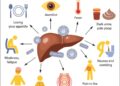
According to him, early Ebola symptoms often appeared non-specific and included fever, fatigue, muscle pain, headache, sore throat, vomiting, diarrhoea, abdominal pain, rash, hiccups, unexplained bleeding, bruising, and signs of shock.
Idris warned health workers against waiting for bleeding before suspecting Ebola in patients presenting compatible symptoms alongside relevant travel or exposure histories connected to affected countries experiencing active transmission of the virus.
He added that the absence of strain-specific vaccines and approved therapeutics for Bundibugyo Ebola virus disease made early, aggressive, and optimised supportive care especially important in improving patient survival and treatment outcomes significantly.
The NCDC boss explained that clinical management should include rapid assessment, fluid and electrolyte management, glucose monitoring, treatment of malaria or bacterial co-infections, symptom control, shock management, and humane care in isolation facilities.
He disclosed that the NCDC had activated its national Emergency Operations Centre, currently operating in alert mode while coordinating preparedness activities with relevant federal and state institutions across the country to strengthen response capacity.
According to him, state governments and Commissioners for Health must ensure immediate operational readiness across public and private health systems to effectively manage any suspected Ebola case and prevent possible widespread community transmission.
Idris emphasised that preparedness measures should prioritise early detection, immediate isolation, supportive care, infection prevention and control, safe sample handling, contact tracing readiness, referral systems, workforce protection, and adequate medical countermeasures nationwide.
He urged commissioners to provide leadership for coordinated Ebola readiness efforts across their respective states and the Federal Capital Territory, assuring them of continued technical guidance and national coordination support from the NCDC.
The Director-General also requested commissioners to activate state public health coordination structures for Ebola preparedness and conduct rapid risk assessments focusing on population movement, high-density settings, and facilities receiving suspected cases.
He further advised states to engage public and private healthcare providers to ensure early suspicion, safe separation of suspected cases, immediate reporting through approved channels, and identification of functional isolation or holding facilities.
Idris stressed the importance of strengthening facility readiness for screening, infection prevention, ambulance transfers, safe sample movement, decontamination, and waste management while ensuring frontline workers received adequate protection and psychosocial support during operations.
He also urged intensified traveller monitoring and surveillance in states with airports, seaports, transport hubs, land borders, and migrant corridors while encouraging calm public communication to discourage stigma and promote verified information sharing.
The NCDC boss directed states to maintain essential health services without disruption and submit readiness updates within seventy-two hours while immediately reporting suspected cases, high-risk exposures, unusual febrile clusters, or major preparedness gaps.