LLicensed customs agents across Nigeria have been granted a reprieve following the decision of the Nigeria Customs Service to retain existing licensing and renewal fees, shelving an earlier proposal that would have significantly increased the cost of operation in the sector.
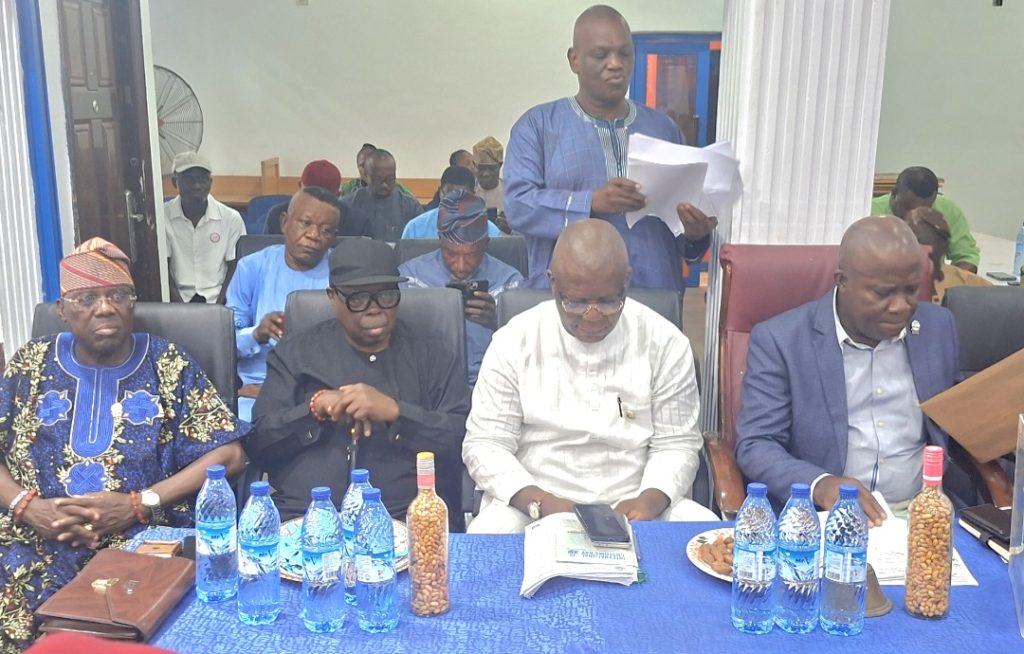
The development was made public at an emergency National Executive Council (NEC) meeting of the Association of Nigerian Licensed Customs Agents (ANLCA) held at the association’s headquarters in Festac, Lagos.
Addressing members, ANLCA National President, Emenike Nwokeoji, disclosed that discussions between the association and Customs authorities resulted in an understanding that the current fee structure would remain unchanged.
Customs had proposed a major review of licensing charges in 2025, with the cost of obtaining a new licence rising from N515,000 to N10 million, while renewal fees were to increase from N215,000 to N4 million annually. The proposal generated concern among operators who feared it would strain businesses and potentially reduce participation within the profession.
Nwokeoji told members that rather than escalate tensions, the association chose dialogue and engagement. According to him, that approach paid off, as Customs agreed to allow agents to continue renewing their licences under the existing rates.
The NEC meeting, which drew prominent figures within the association including past leaders, board members and chapter executives, focused not only on the licensing issue but also on the broader direction of the freight forwarding profession.
In his goodwill message, Chairman of the Customs Consultative Committee (CCC), Alhaji Hakeem Olanrewaju, urged practitioners to strengthen unity within the industry, warning that internal divisions could weaken their collective influence.
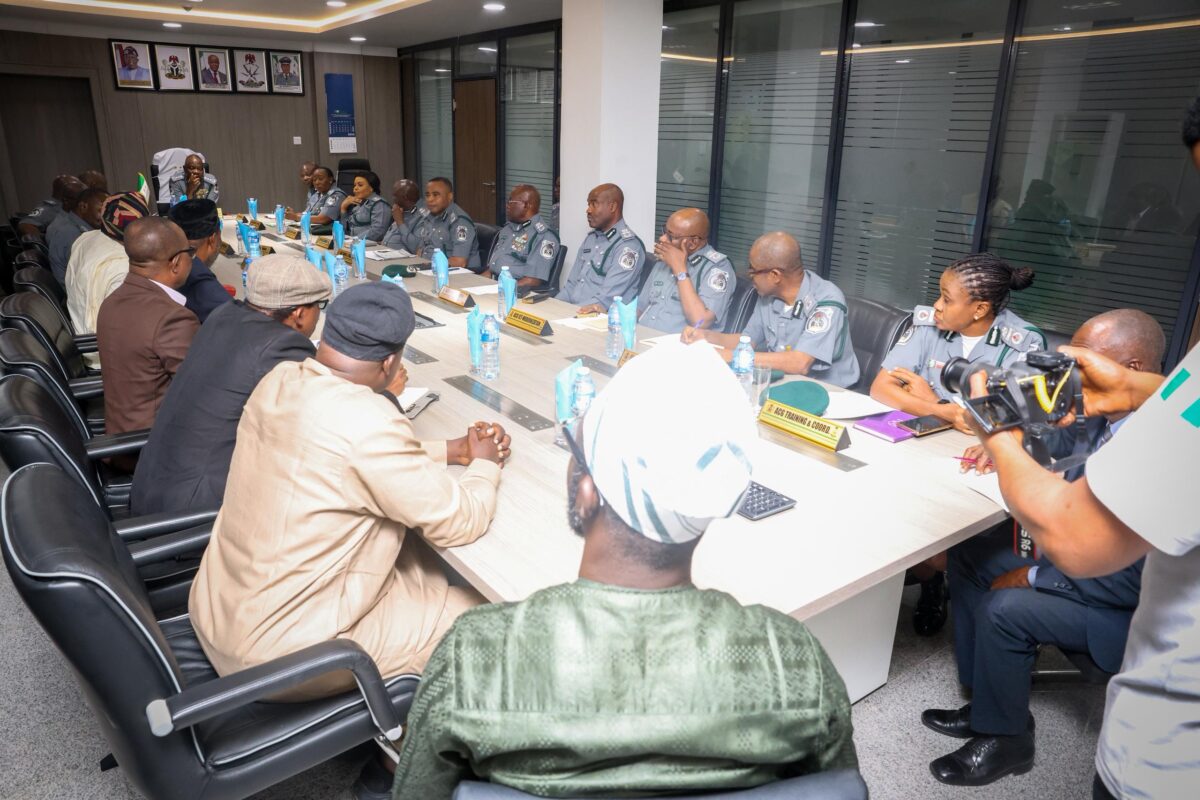
He called for professionals to assert their statutory role within the Council for the Regulation of Freight Forwarding in Nigeria (CRFFN), stressing that regulatory matters concerning freight forwarding should be guided primarily by practitioners.
Olanrewaju also highlighted ongoing reforms reshaping port and trade operations, including Customs’ B’Odogwu platform, the One Stop Shop initiative, the Nigerian Ports Authority’s Port Community System under development, and the forthcoming National Single Window project.
He urged freight forwarders to embrace digital transformation, deepen their technical competence and adopt a coordinated approach in engaging with government agencies, noting that preparedness would determine how well the profession adapts to the evolving trade environment.
For now, however, the immediate concern over licensing fees appears settled, offering operators temporary stability as the sector navigates broader reforms.