Dr Moyosore Makinde, a Consultant Lifestyle Medicine Physician and Founder, Lifestyle Champions International (LCI), has identified sleep deprivation as the root cause of many diseases.
Makinde, also the President, Society of Lifestyle Medicine of Nigeria (SOLONg), made the assertion at a webinar organised by LCI to mark the ‘World Sleep Day’ in Lagos.
The day is celebrated annually on March 13, to raise awareness of sleep’s critical role in health.
Speaking on the topic: “Sleep Well, Live Better: Unlocking the Power of Healthy Sleep”, Makinde described sleep as ” a cyclical period of rest, which helps to balance one’s circadian rhythm”.
According to her, sleeping well in order to live better is not a myth and sleep is one of the most powerful yet often neglected pillars of health.
She noted that functioning on a limited amount of sleep should not be equated to strength, courage or productivity, saying such was detrimental to the health.
Citing the World Sleep Society (WSS) and World Health Organisation (WHO), Makinde said that no fewer than 42 million adults were predicted to have chronic insomnia worldwide.
She said $417 billion was lost in annual GDP globally due to reduced productivity associated with chronic insomnia.
She added that over 16 per cent of individuals over Africa and Asia had reported extreme and severe sleep problems which were strongly linked to poorer general well-being and quality of life, and psychiatric factors.
The physician emphasised that poor sleep/sleep deprivation was a major contributing factor to diseases that bedeviled human existence.
She listed the long-term risk factors of poor sleep/sleep deprivation to include hypertension, diabetes, obesity, cancer and cardiovascular disease, while other hidden cost were: reduced productivity, poor concentration, increased accident risks and weakened immunity.
She explained that the common causes of poor sleep were stress and anxiety, irregular sleep schedules, excessive screen exposure, late meals or caffeine, noise and poor sleep environment and medical conditions.
According to her, many sleep problems are lifestyle-related and reversible.
“Studies show correlates between sleep deprivation and several cancers.
“Poor sleep is associated with increased levels of stress, anxiety and negative emotions such as anger .
“Poorer sleep efficiency and shorter sleep duration in the weeks preceding exposure to a rhinovirus are associated with lower resistance to the common cold.
“Adequate sleep helps to promote brain health by cleansing the brain of viruses and bacteria, which apparently promote good health,” she said.
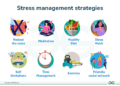
On the tips to good/refreshing sleep, Makinde advised that people should maintain consistent sleep schedules, create a wind-down routine and make the room/bed conducive.
She underscored the need to embrace relaxation techniques, avoid screens 30-60 minutes before bed and also avoid intense discussion or ‘mindless scrolling’ which impaired sleep quality and increase fatigue
“Diet is a major recommended tip to a refreshing sleep; ensure high fibre diet and avoid heavy meals.
“Keep to the healthy plate – eat 3-4 hours before bedtime and avoid large volumes of drinking water before bedtime.
“Similarly, regular exercise improves sleep quality; move more, make exercise fun, wear appropriate clothes including footwear, aim for guidelines and avoid exercise close to bedtime,” Makinde said.
She recommended E-books sale, short educative video clips, and consultations among others as effective tools in communicating ideas to good sleep.
—–All You Need To Know About Sleep Deprivation ——
What is the difference between sleep deprivation and insomnia?
Insomnia and sleep deprivation are closely related but aren’t the same thing. Insomnia is when you’re unable to sleep when you try. Sleep deprivation is what happens when you don’t give yourself enough time to sleep don’t get enough sleep or both.
How does this condition affect my body?
Your body needs sleep to regenerate certain systems and carry out certain processes. To understand more about that, it helps to know a little more about the human sleep cycle. That cycle involves different stages of sleep. Those are:
- Stage 1: Light sleep. This is a short stage, usually no more than 5% of your total sleep, which begins right after you fall asleep.
- Stage 2: Deeper sleep. This stage is deeper and makes up about 45% of all the time you spend sleeping (this number goes up as you get older). Research indicates this stage is key in memory storage and learning.
- Stage 3: Deepest sleep. This stage makes up about 25% of the time you spend sleeping (this number goes down with age). There’s evidence that this stage is the most important to how your body recovers and maintains itself because the brain prioritizes this stage in people with sleep deprivation. It’s very hard to wake someone up from this stage, and they’ll usually feel foggy or confused for up to 30 minutes after waking up.
- REM sleep: REM stands for “rapid eye movement.” This stage is when you dream. When a person is in REM sleep, you can see their eyes moving beneath their eyelids.
When you fall asleep, you typically enter stage 1 and then move in and out of stages 2 and 3. After that, you go into REM sleep and start dreaming. After the first REM cycle, you start a new sleep cycle and go back into stage 1 or 2. One cycle normally takes about 90 to 120 minutes before another begins. Most people go through four or five cycles per night (assuming they get a full eight hours).
The following systems are affected
Sleep deprivation has negative effects in multiple ways throughout your body. Those can affect the following body systems, organs and processes:
- Heart and circulatory systems: Sleep deprivation has long-term damaging effects on your heart and circulatory health. People with chronic sleep deprivation are more likely to develop high blood pressure (hypertension) and high cholesterol (hyperlipidemia).
- Metabolic systems: People with chronic sleep deprivation are at a much higher risk of developing Type 2 diabetes.
- Immune system: Your body’s natural defenses against infections can’t work properly if you aren’t getting enough sleep.
- Nervous system: It’s common for people who aren’t sleeping enough to have higher pain sensitivity, which means they feel pain more easily, the pain is more intense or both.
- Brain: Sleep deprivation has very negative effects on how your brain works. While experts don’t fully understand sleep’s role in brain function, they do know it’s a key part of how people learn and remember. There’s also some evidence that sleep deprivation could play a role in the development of Alzheimer’s disease.
- Mental health: Sleep deprivation also negatively affects your mental health, making it harder for you to manage and process your emotions. People with sleep deprivation are more likely to feel symptoms of depression and anxiety.
The effects of sleep deprivation depend on why it happens and how long it lasts. The longer a person has sleep deprivation, the greater — and more severe — the effects.
Health conditions that can get worse or happen because of sleep deprivation
Sleep deprivation also increases your risk of developing certain conditions or making them worse if you have them. These conditions include:
- Type 2 diabetes.
- High blood pressure (hypertension).
- Obesity.
- Obstructive sleep apnea.
- Vascular disease.
- Stroke.
- Heart attack.
- Depression.
- Anxiety.
- Conditions that involve psychosis.
How to take care of myself or manage the sleep deprivation symptoms?
Sleep deprivation is a common issue, and often a person can manage it on their own. However, if the symptoms continue even with attempts to manage them on your own, you should talk to a healthcare provider. This is especially true if you have symptoms of sleep apnea, which is when you stop breathing in your sleep. That condition can cause severe or even life-threatening problems when it goes untreated.
The best things you can do to help treat and prevent sleep deprivation include:
- Have a routine. Being consistent with sleep habits can make a big difference in how much and how well you sleep.
- Make the time for sleep. Set a bedtime that allows you to get the recommended amount of sleep for your age.
- Limit the time you spend around bright lights or using electronics. Light from these too close to bedtime can disrupt your body’s natural sleep-wake functions.
- Avoid drinking alcohol or eating a meal too close to bedtime. A light snack is the best option if you feel hungry before bedtime.
- Physical activity can help. Staying active, even just going for a walk, can help with the quality of your sleep.
- Don’t rely on sleeping medications. Long-term use of sleeping pills and other medications — even ones that are available over-the-counter — can negatively affect your sleep. The only sleep-related medications you should use regularly are ones your healthcare provider prescribes, and you should only take them as instructed.