By Oluyinka Onigbinde
The Minister of Marine and Blue Economy, Adegboyega Oyetola, has reaffirmed that the Federal Government’s port modernisation programme is a nationwide initiative, dismissing claims that it is concentrated solely on Lagos ports.
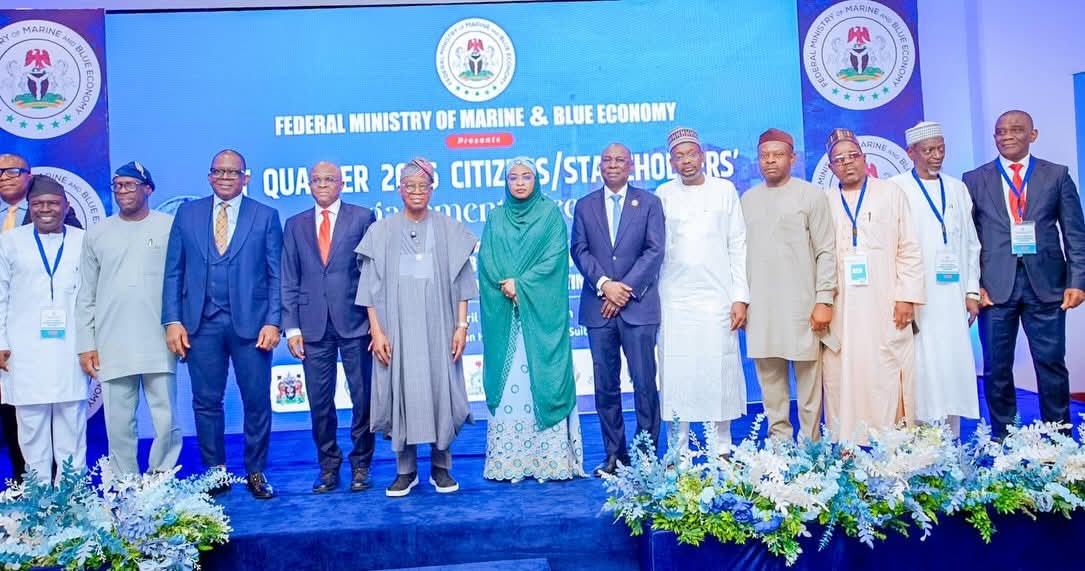
Speaking at the Ministry’s combined citizens and stakeholders’ engagement, sectoral performance review, and ministerial retreat in Lagos, Oyetola stressed that inclusive infrastructure development remains a core priority of the administration.
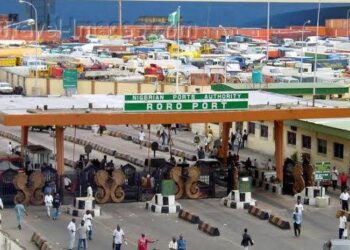
Addressing concerns over perceived regional imbalance, the Minister stated unequivocally that the ongoing reforms are designed to benefit all maritime zones across the country. He disclosed that procurement processes are already underway for the upgrade of key eastern ports, including those in Warri, Port Harcourt, Onne, and Calabar, alongside the already approved modernisation of Apapa and Tin Can Island ports in Lagos.
According to him, the initiative reflects the government’s commitment to equitable development and the strategic expansion of Nigeria’s maritime capacity.
“We are committed to a balanced and inclusive development of port infrastructure across the country,” Oyetola said, noting that no region would be left behind in the ongoing transformation of the sector.
He further explained that the port modernisation programme is not limited to physical infrastructure but represents a comprehensive reform effort aimed at improving operational efficiency. The initiative, he said, will significantly reduce vessel turnaround time, enhance cargo handling capacity, and streamline port processes.
Oyetola described the programme as a “transformative intervention” under the administration of Bola Ahmed Tinubu, geared towards repositioning Nigeria’s maritime sector as a competitive hub in Africa.
In addition to the upgrades of existing ports, the Minister revealed that the Federal Government He added that the initiative aligns with the Federal Government’s broader economic diversification agenda, with anticipated benefits including reduced cost of doing business, increased trade volumes, and enhanced investor confidence.
The Minister maintained that the comprehensive approach to port development will ultimately position Nigeria as a leading maritime gateway on the continent, capable of driving sustainable economic growth through the blue economy.