By Oluyinka Onigbinde
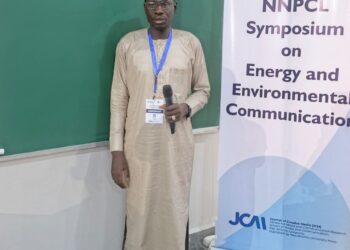
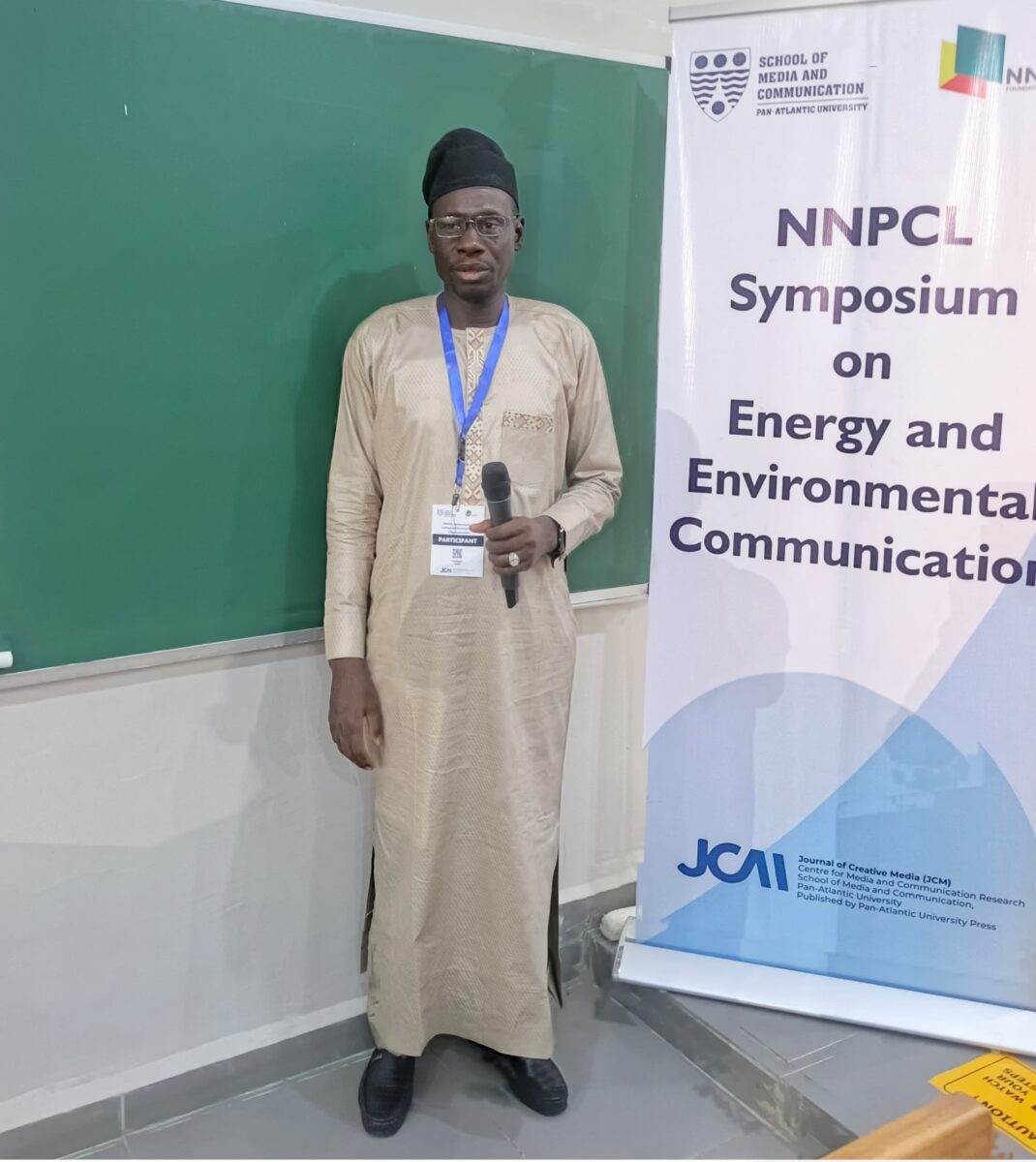
The Dean of the Faculty of Communication and Media Studies at the University of Abuja, Professor Abdullahi Bashir, has stressed the critical role of strategic communication in helping communities adapt to the growing impacts of climate change, describing climate resilience as an urgent national priority.
Speaking at the 2nd NNPC Foundation Symposium on Energy and Environmental Communication held at Pan-Atlantic University, Lagos, Professor Bashir said climate change has become one of the most pressing challenges confronting developing countries, including Nigeria, with devastating consequences for lives, livelihoods, infrastructure, and the economy.
According to him, rising temperatures, frequent flooding, the spread of diseases, and the destruction of critical infrastructure are among the numerous impacts already being experienced across the country.
“Climate change is something that has been happening over the years and has been affecting a lot of people, especially in the developing world. Countries like Nigeria are facing increasing cases of flooding, rising temperatures, increasing diseases, and significant economic impacts,” he said.
The communication scholar noted that while climate-related disasters continue to intensify, effective communication strategies can help communities anticipate risks, adapt to changing environmental conditions, and recover more quickly from climate-induced disruptions.
He explained that the concept of climate resilience revolves around equipping societies with the knowledge and tools necessary to withstand and respond effectively to environmental challenges.
“As communication scholars, we need to design communication strategies that will help society recover, predict, adapt, and adjust to the realities of climate change. That is what we refer to as climate resilience,” he stated.
Professor Bashir described the symposium’s focus on communication and climate action as particularly significant, noting that climate change affects virtually every sector of society, including health, education, security, and economic development.
“This conversation is important because everybody is affected by climate change. It is a society-wide issue, and unfortunately, most of its impacts are negative. If we are able to mitigate climate change and build resilience, everyone stands to benefit,” he said.
The University of Abuja dean also called for a more inclusive and participatory approach to climate communication, urging governments, non-governmental organisations, private sector actors, and community leaders to work together in designing solutions.
He warned against adopting a “one-size-fits-all” approach to climate messaging, arguing that different communities experience the effects of climate change in unique ways and therefore require tailored communication interventions.
“In climate resilience communication, everybody must be carried along. We do not need a one-size-fits-all approach because different communities experience climate change differently,” he explained.
Professor Bashir further advocated for bottom-up communication strategies that actively involve local communities in the development and implementation of climate solutions.
According to him, climate communication should move beyond government pronouncements and incorporate indigenous knowledge, community perspectives, and grassroots initiatives.
“It should not be a top-down process where government simply makes pronouncements. Communities and individuals have their own ideas and solutions, and these must be taken into consideration. When people are involved, implementation becomes easier and more effective,” he said.
The professor identified behavioural change as one of the biggest challenges in climate action, noting that while information about environmental sustainability is widely available, translating knowledge into action remains a major hurdle.
“There is no shortage of information. People know it is wrong to dump refuse in waterways, yet many still do it. The challenge is behavioural modification and positive behavioural change,” he observed.
He maintained that fostering environmentally responsible behaviours among citizens would contribute significantly to public safety, improved health outcomes, and stronger economic growth.
Professor Bashir’s remarks formed part of broader discussions at the symposium, which brought together communication experts, academics, industry stakeholders, policymakers, and environmental advocates to explore the role of communication in advancing energy transition, environmental sustainability, and climate resilience in Nigeria.
The 2nd NNPC Foundation Symposium on Energy and Environmental Communication seeks to deepen conversations around how effective communication can drive public awareness, policy engagement, and collective action in addressing emerging environmental challenges.