By Joshua Yousouph
The Federal Government of Nigeria, in collaboration with the Abuja Memorandum of Understanding (MOU) on Port State Control and the Lloyd’s Register Foundation, has launched a five-year regional capacity-building programme aimed at strengthening maritime safety, regulatory compliance and institutional effectiveness across West and Central Africa.
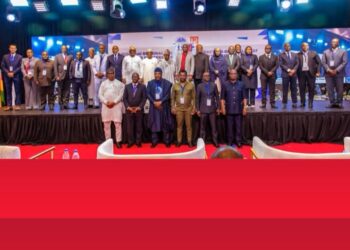
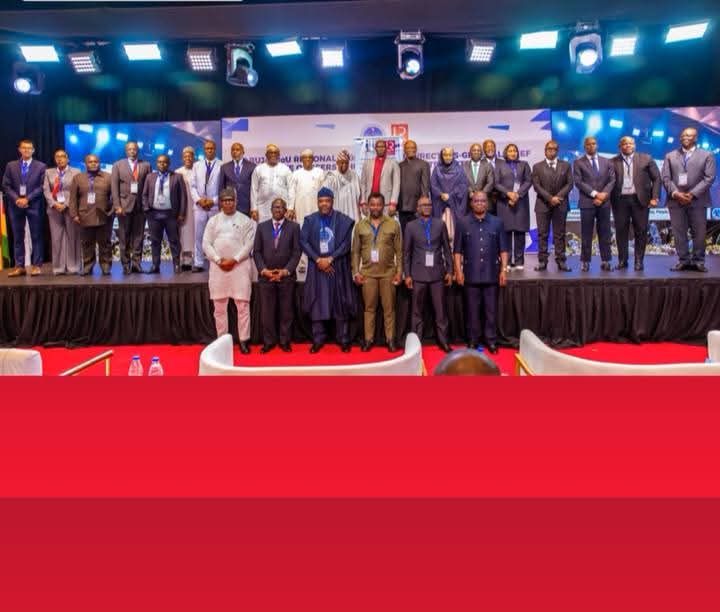
The initiative was unveiled at a high-level regional workshop held in Lagos on Monday, bringing together directors-general, chief executive officers, heads of maritime administrations and port state control authorities from across the Abuja MOU region.
Speaking at the opening ceremony on behalf of President Bola Ahmed Tinubu, the Minister of Marine and Blue Economy, Adeboyega Oyetola, described the workshop as a significant milestone in Nigeria’s drive to become Africa’s leading maritime hub and advance the country’s Blue Economy agenda.
According to the Minister, effective port state control remains critical to ensuring maritime safety, environmental protection and the growth of intra-African trade under the African Continental Free Trade Area (AfCFTA).
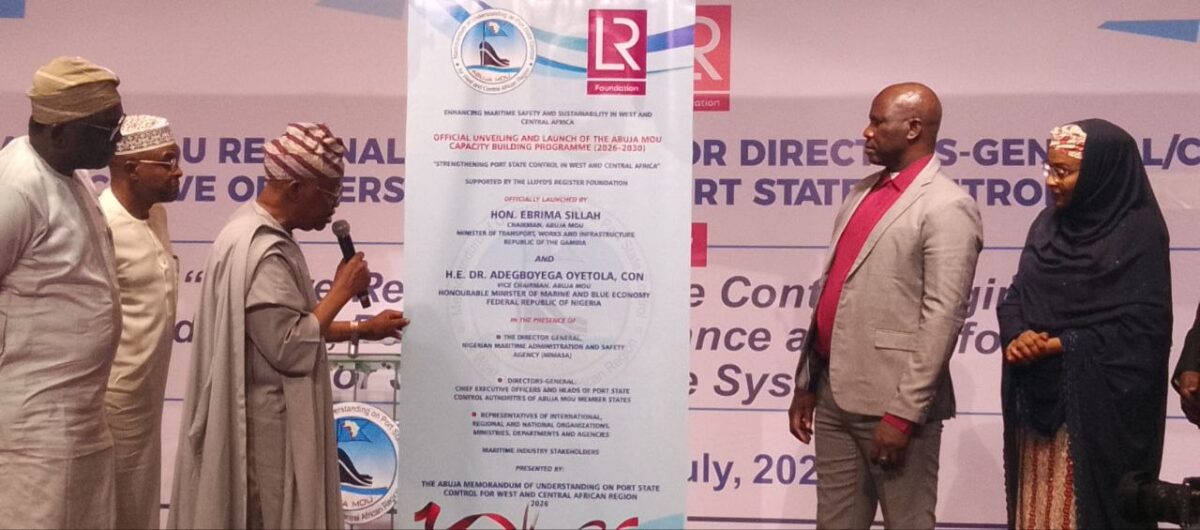
“The future of maritime safety in our region depends on the quality of leadership, collaboration, and collective resolve that we bring to this shared endeavour,” Oyetola said while formally declaring the workshop open.
He noted that an efficient, secure and internationally compliant maritime transport system is essential for facilitating seamless trade across Africa, adding that stronger port state control mechanisms would enhance confidence in the region’s maritime sector.
The Minister, however, acknowledged existing challenges confronting member states, including disparities in inspection performance, limited technical expertise, capacity constraints and an inadequate number of qualified inspectors.
He urged participants to use the workshop as a platform to exchange experiences, challenge prevailing assumptions and develop innovative approaches to strengthening maritime institutions across the region.
In his welcome address, the Secretary-General of the Abuja MOU, Captain Sunday Umoren, commended the Federal Government for its continued support of the organisation and for hosting the secretariat in Nigeria.
Umoren described Oyetola as a key supporter whose commitment has contributed significantly to the growth and effectiveness of the Abuja MOU.
He disclosed that delegates from 21 of the organisation’s 22 member states were physically present at the workshop, while one member state participated virtually.
The Secretary-General also called for increased gender representation in maritime leadership positions across the region, noting that only two member states currently have female directors-general heading their maritime administrations.
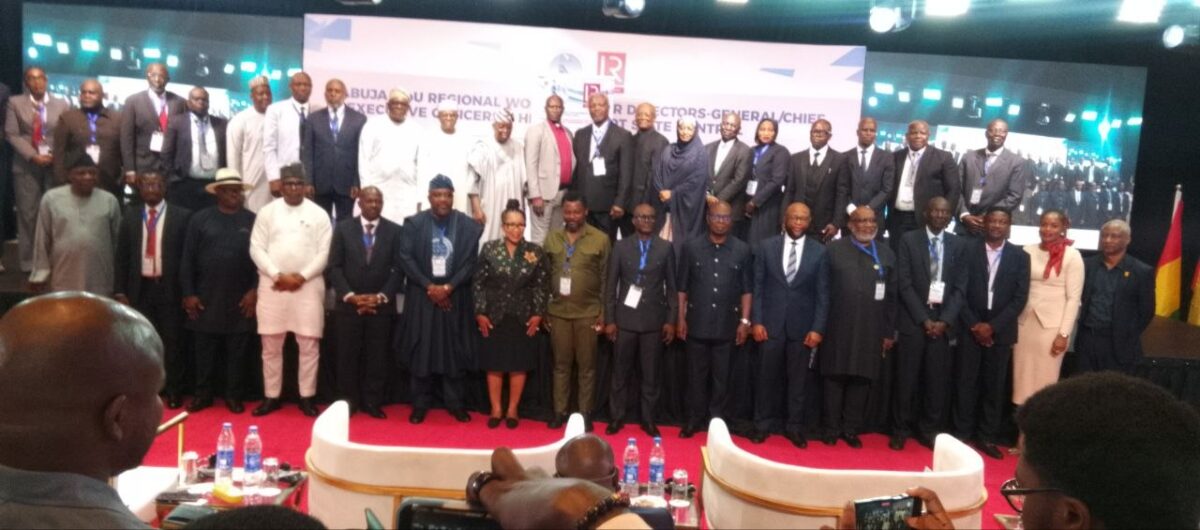
Also speaking, the Director-General of the Nigerian Maritime Administration and Safety Agency, Dr Dayo Mobereola, reaffirmed Nigeria’s commitment to promoting effective port state control and maritime safety standards.
Mobereola revealed that NIMASA inspected 917 vessels in 2025, achieving an inspection rate of 23.5 per cent, significantly above the Abuja MOU benchmark of 15 per cent.
He described the newly launched five-year programme as a strategic investment in human capital development, institutional efficiency and regulatory excellence.
According to him, deliberations during the workshop will focus on critical areas such as leadership development, governance, inspector competence, digital transformation, performance management and gender inclusion.
Despite progress recorded in the region, Mobereola observed that only 16 of the 22 Abuja MOU member states consistently conduct port state control inspections, highlighting the need for increased investment in institutional development and technical capacity.
The workshop attracted maritime regulators, development partners and industry stakeholders, including representatives of the International Labour Organization, the Maritime Anti-Corruption Network and the Nigerian Ports Authority.
Participants are expected to develop recommendations that will guide future policy formulation, strengthen regional cooperation and support long-term investments in maritime capacity development across West and Central Africa.
Officials expressed optimism that the outcomes of the workshop would contribute to safer shipping operations, improved environmental protection, stronger maritime institutions and the realization of Africa’s broader maritime and economic potential.