By Joshua Yousouph
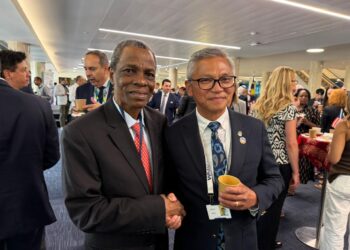
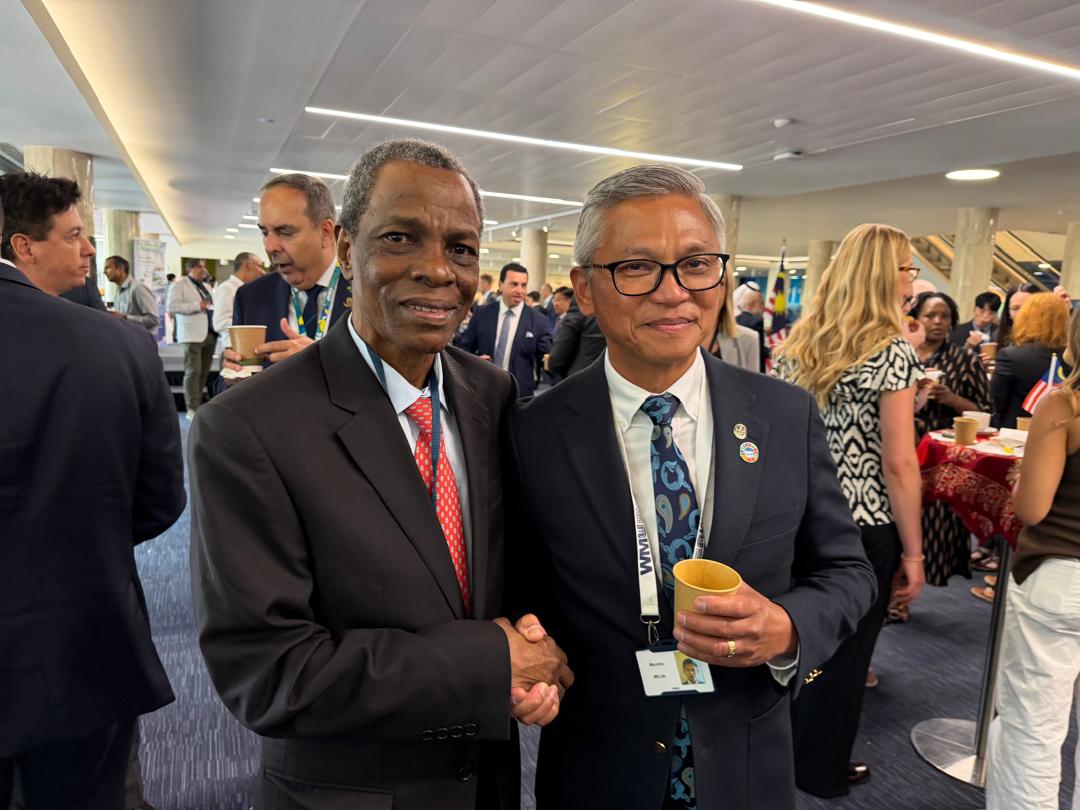
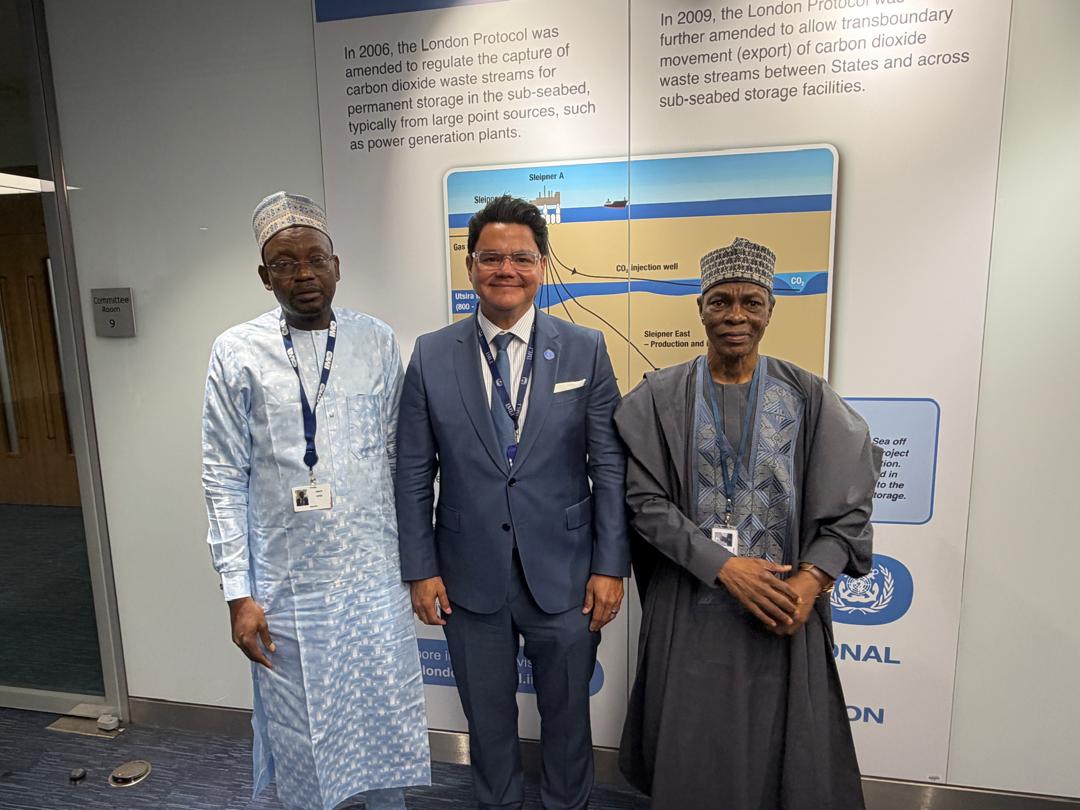
The Chairman of the Governing Board of the National Inland Waterways Authority (NIWA), Mukhtar Shehu Shagari, has sought greater international collaboration to accelerate the development of Nigeria’s inland waterways sector during a high-level meeting with the President of the World Maritime University, Maximo Q. Mejia Jr., on the sidelines of the ongoing International Maritime Organization (IMO) Council Meeting in London.
The engagement focused on strengthening cooperation in maritime education, capacity building, research, inland waterways development and sustainable transportation systems, as part of efforts to enhance Nigeria’s maritime and blue economy aspirations.
Speaking during the meeting, Shagari said Nigeria remains committed to modernising its inland waterways infrastructure and building the human capacity required to drive growth across the sector. He noted that the country’s extensive waterways network holds significant potential for transportation, trade facilitation and economic development.
According to him, partnerships with globally recognised maritime institutions are critical to achieving the Federal Government’s objectives of improving safety, operational efficiency and economic activities on the nation’s waterways.
The NIWA Board Chairman emphasised that collaboration in research, training and knowledge exchange would provide Nigerian maritime professionals with the technical skills needed to address emerging industry challenges and align with international best practices.
In his remarks, Mejia reaffirmed the World Maritime University’s commitment to supporting member states through education, research and professional development initiatives. He commended Nigeria’s growing emphasis on maritime development and expressed the university’s readiness to deepen cooperation with relevant agencies and stakeholders in the country.
The WMU President stressed that sustainable maritime growth depends on continuous investment in human capital, innovation and compliance with international standards.
Both parties also explored opportunities for specialised training programmes, academic exchanges and institutional partnerships aimed at strengthening Nigeria’s maritime administration and inland waterways management framework.
Industry stakeholders described the engagement as a positive step toward connecting Nigeria’s inland waterways sector with global centres of excellence and ensuring the adoption of international best practices in water transport development.
The meeting formed part of a series of high-level engagements at the ongoing IMO Council session, where maritime leaders are deliberating on policies and initiatives aimed at promoting safer, more secure and environmentally sustainable shipping worldwide.