By Oluyinka Onigbinde
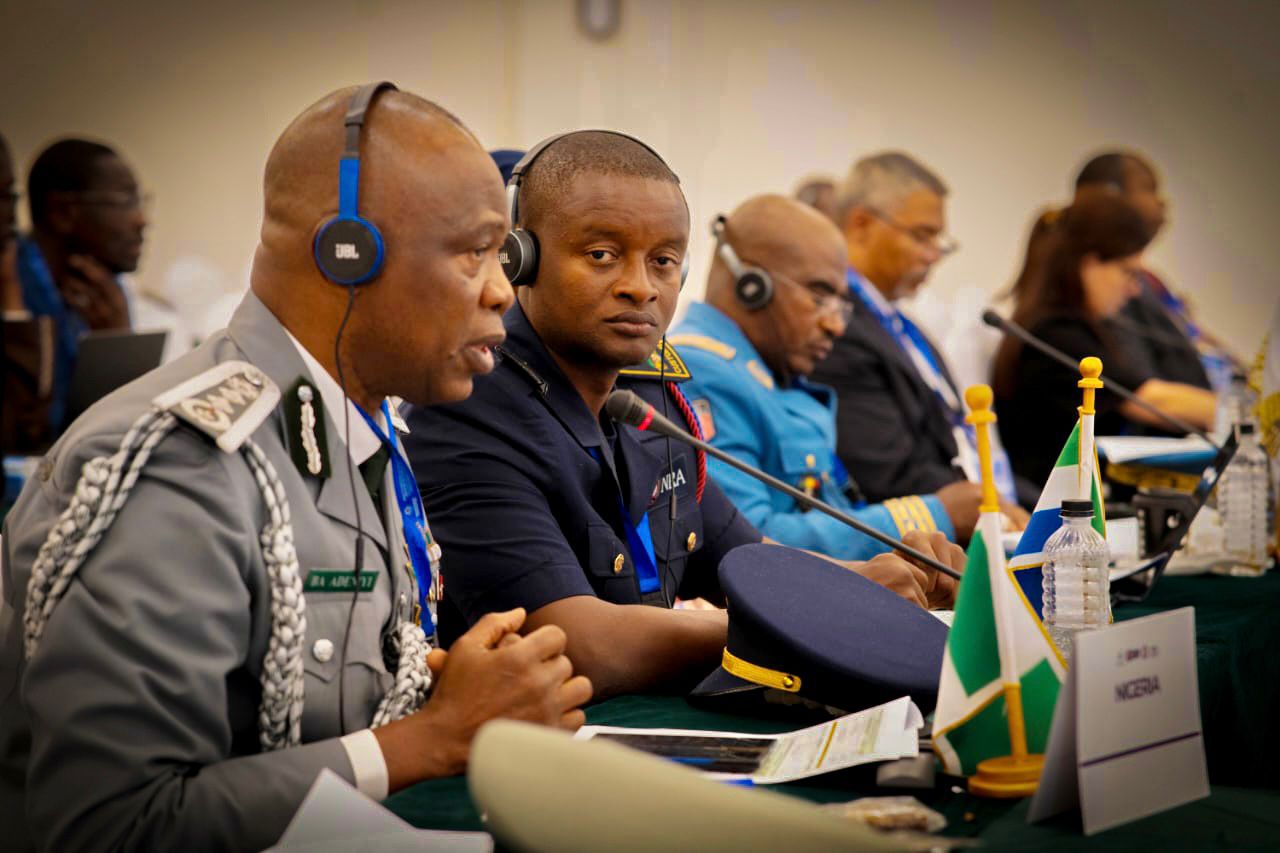
The Comptroller-General of the Nigeria Customs Service (NCS) and Chairperson of the World Customs Organisation (WCO) Council, Adewale Adeniyi, has reaffirmed Nigeria’s commitment to regional Customs modernisation, digital integration and stronger inter-agency cooperation across West and Central Africa.
Adeniyi made the declaration at the 32nd Conference of Directors-General of Customs for the West and Central Africa (WCA) Region held in Freetown, where Customs leaders and policymakers from across the region gathered to deliberate on trade facilitation, border security and regional economic integration.
The high-level conference, which held between May 7 and 8, 2026, focused heavily on the future of Customs administration in Africa amid the growing demands of the African Continental Free Trade Area (AfCFTA), digital trade systems and evolving transnational security threats.
Speaking during the opening session, Adeniyi stressed that Nigeria’s leadership within the WCO framework is rooted in collective regional advancement rather than national prestige.
“This chairmanship is not mine. It belongs to the region that sent me,” he stated. “Anytime I take the chair, I take it on behalf of every administration represented in this hall. That is the truth of it, and that is the spirit in which I serve.”
The Nigeria Customs boss used the occasion to highlight what he described as the unique culture of unity and rotational inclusiveness within the WCO West and Central Africa Region, noting that every member nation, irrespective of size or economic strength, is given equal opportunity to host and contribute to regional leadership.
“Our region has a quiet but powerful tradition. Every member, big or small, takes its turn. The right to host is not negotiated. We pass the baton from one capital to the next, and in the passing, we remind ourselves of who we are,” Adeniyi said.
“This is one of the most distinctive features of our regional family, and it is why our region carries a kind of cohesion that others quietly envy,” he added.
The conference was officially declared open by Julius Maada Bio, President of Sierra Leone and Chairman of the ECOWAS Authority of Heads of State and Government, who underscored the importance of stronger regional collaboration in advancing trade facilitation, economic growth and coordinated border management across West and Central Africa.
Held under the theme, “A Customs Service that Protects Society Through its Vigilance and Commitment,” the conference placed significant emphasis on digital transformation, intelligence-led border protection and harmonised Customs procedures across member states.
Delegates at the summit advocated a shift from traditional reactive enforcement models to proactive, technology-driven and intelligence-based Customs operations capable of addressing emerging security and trade challenges.
A major highlight of the discussions was the increasing importance of digital Customs systems, including Single Window platforms, integrated Ports Community Systems and real-time cargo verification mechanisms.
The Sierra Leonean government unveiled aspects of its ongoing Customs modernisation programme, including plans to upgrade ASYCUDA World, implement a National Single Window system and deploy Product Tracing and Fiscal Integrity solutions for excisable goods.
Participants also reviewed progress on the ECOWAS SIGMAT framework, which is designed to improve transit trade monitoring and information exchange across borders within the region.
The operational implications of AfCFTA on Customs harmonisation, data exchange, risk management and coordinated border controls also featured prominently during deliberations.
Delegates agreed that while continental free trade offers enormous opportunities for economic expansion, regional trade corridors must be protected through stronger intelligence-sharing frameworks, coordinated enforcement and efficient Customs administration.
The conference further recognised that successful trade liberalisation under AfCFTA would depend heavily on the ability of Customs administrations to facilitate legitimate trade while preventing smuggling, illicit trafficking and transnational crimes.
Industry observers noted that many of the policy conversations at the conference closely align with Nigeria Customs Service’s ongoing modernisation agenda, particularly in the areas of automation, non-intrusive inspection technology, intelligence-led enforcement and regional cooperation.
Adeniyi also acknowledged the contributions of the WCO Secretary-General and members of the WCO Policy Commission representing the West and Central Africa Region for ensuring that the interests of the region remain visible within global Customs policy discussions.
The conference concluded with the election of the Central African Republic as the new Vice Chair of the WCO West and Central Africa Region, succeeding Mali after the completion of its two-year tenure.