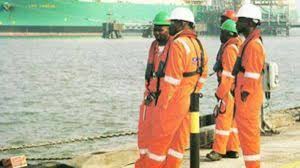
As the global maritime industry grapples with a surge in seafarer abandonment last year, Findings by Shipping Position Daily have revealed that Nigerian seafarers appear to be facing a different but equally troubling challenge of unemployment, not neglect at sea.
According to recent data from the International Transport Workers’ Federation (ITF), over 6,223 seafarers were abandoned across 410 vessels in 2025, making it the worst year on record for abandonment cases worldwide, with unpaid wages totaling US$25.8 million.
David Heindel, Chair of the ITF Seafarers’ Section, described the situation as nothing short of a disgrace, saying seafarers around the world continue to suffer gross violations of their human and labour rights so that unscrupulous operators can maximise profits.
He warned that the persistence and scale of the problem point to a systemic failure within the industry, arguing that only collective action by governments, ship owners, unions and regulators can bring the crisis to an end.
While countries like India, the Philippines, and Syria faced hundreds of seafarers abandonment cases, stakeholders say Nigeria’s main challenge lies in creating enough employment opportunities and securing international recognition for its seafarers’ certifications.
Speaking with Shipping Position Daily last week, National President of the Master Mariners of Nigeria (NAMM), Captain Tajudeen Alao, noted that while seafarer abandonment is a common problem globally often caused by ship arrests, detention, accidents, or war outbreaks that prevent payment of wages or repatriation, Nigeria’s challenge lies more in unemployment.
Captain Alao estimated that the ratio of unemployment to abandonment among Nigerian seafarers is roughly 85:15. He stressed that while bodies like the ITF, Mission to Seafarers, flag states and P&I Clubs must strengthen dispute-resolution mechanisms to prevent ship trading disruptions globally, Nigeria must focus on balancing manpower with opportunities.
According to him, proper training, certification and compliance with international standards can open employment windows overseas for Nigerian seafarers. “We must not have more seafarers than available employment slots. Balancing the law of demand and supply is essential,” he stated.
The NAMM president highlighted that employment opportunities in Nigeria must align with the number of trained seafarers. “We must ensure that the number of seafarers does not exceed available jobs. Proper training and certification can open doors to overseas employment. Balancing the laws of demand and supply is essential”, he said.
“Dispute resolution mechanisms must be in place to prevent disruptions in ship trading,” Captain Alao said, noting that structured oversight can help protect seafarers worldwide.
Also speaking, a former President of the Nigerian Merchant Navy Officers and Water Transport Senior Staff Association (NMNOWTSSA), Engr. Matthew Alalade expressed sympathy for seafarers caught in abandonment situations abroad, describing the experience as traumatic. He noted that abandonment cases spiked globally in recent years and stressed that shipowners, labour unions and governments must ensure proper welfare for crew members until the end of their contracts.
Rather than abandonment, Alalade identified unemployment as the core problem confronting Nigerian seafarers. He attributed the situation to the absence of effective Memoranda of Understanding (MoUs) between Nigeria and many maritime nations, which limits the acceptance of Nigerian-issued certificates and licences abroad.
“It’s a matter of unemployment. We don’t have MoUs with most countries so they can accept what we issue here, our license. It is about competency recognition,” he explained. He added that once Nigeria secures stronger international agreements, more opportunities would open for local seafarers to work globally.