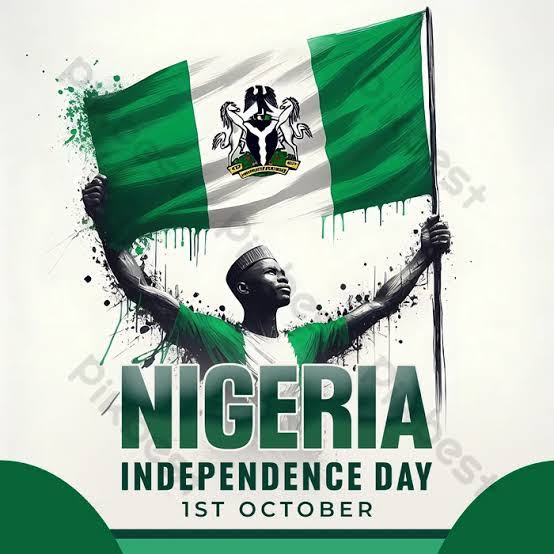
As Nigeria marks 65 years of independence, it is imperative to take stock of our maritime industry — a sector that has historically been the lifeblood of trade, economic development, and international connectivity. From the pre-colonial era, through colonial rule, to modern-day port concession system, the story of Nigeria’s maritime sector is one of potential, progress, and persistent challenges.
In the pre-colonial era, the nation’s maritime activities were primarily localized. Coastal communities thrived on fishing, riverine trade, and the movement of goods along the Niger Delta waterways. Ports were informal, and trade relied heavily on human and small-scale canoe transportation. Indigenous knowledge of navigation and commerce facilitated the exchange of goods such as palm oil, timber, and textiles, laying the foundation for Nigeria’s early maritime identity.
The colonial era brought a paradigm shift. The British established formal ports in Lagos, Port Harcourt, and Warri to facilitate the export of raw materials and the import of finished goods. This period saw the introduction of modern shipping technology, structured port operations, and government-controlled customs and clearing mechanisms. However, the colonial system prioritized extractive trade over local economic empowerment, and most benefits of maritime activity flowed out of the country. Agencies like the port authority were nascent, and local participation in shipping and logistics remained minimal.
After independence, Nigeria sought to assert control over its maritime destiny. Institutions such as the Nigerian National Shipping Line (NNSL), the National Clearing and Forwarding Corps, and the Nigerian Ports Authority (NPA) were established to foster domestic ownership and oversight. The NNSL, in particular, symbolized national pride, aiming to position Nigeria as a maritime player on the global stage. Yet, inefficiencies, underfunding, corruption, and mismanagement hindered its progress. Ports were often congested, cargo clearance was slow, and private sector participation was limited.
The pre-concession era saw ports fully-controlled by the government, with limited automation and outdated infrastructure. Delays, poor terminal management, and bureaucratic bottlenecks were the norm, frustrating importers and exporters alike. Stakeholders frequently decried inefficiency, pointing to the need for structural reform if Nigeria were to harness its maritime potential.
The port concession era, beginning in the mid-2000s, marked a new chapter. Private terminal operators were introduced, promising modern equipment, faster cargo handling, and improved services. Efficiency and turnaround times improved in major ports like Apapa and Tin Can Island, and foreign investment increased. Today, a more complex ecosystem exists, with regulatory and facilitation agencies including NIMASA, Nigerian Shippers’ Council (NSC), NPA, and the Council for the Regulation of Freight Forwarding in Nigeria (CRFFN). Their mandates range from safety enforcement to trade facilitation, reflecting the multifaceted nature of modern maritime governance.
Despite these developments, questions remain. Are we walking, running, or crawling toward true maritime excellence? While concessioning has brought modern terminals and operational improvements, congestion, fragmented agency coordination, policy inconsistencies, and underdeveloped local capacity continue to constrain progress. Investments in infrastructure are often reactive rather than strategic, and local maritime professionals still face challenges in accessing opportunities in a sector dominated by foreign expertise.
Moreover, the shift from entities like the NNSL to private operators has raised questions about national identity in shipping. While efficiency has improved, can Nigeria genuinely claim to be a maritime nation if domestic shipping, ownership, and skilled workforce development remain limited? True maritime nationhood requires not just modern ports and terminals, but robust local participation, competitive shipping lines, and integration into global trade networks on favorable terms.
Looking ahead, the potential is undeniable. The ports are evolving, private sector participation is increasing, and digitalization is gradually reshaping operations. Agencies are more engaged with stakeholders, and capacity-building programmes aim to strengthen human capital. However, for Nigeria to fully-harness its maritime advantage, it must address policy gaps, invest strategically in infrastructure, build local shipping capacity, and foster a culture of efficiency and accountability across the sector.
As we celebrate 65 years of independence, the maritime industry offers both lessons and opportunities. From the modest waterways of pre-colonial times to today’s privatized terminals, Nigeria has made progress, but the journey is far from complete. The question remains: Can we truly call ourselves a maritime nation? The answer lies in deliberate action, long-term planning, and a commitment to translating maritime potential into measurable national wealth and global competitiveness.