The Kwara Commissioner for Health, Dr Amina El-Imam, has admonished mothers not to give their new born babies “zam-zam water”, holy water, and herbal mixture in their first six months.
El-Imam gave the advice, on Wednesday, in a speech at an event to commemorate this year’s World Breastfeeding Week in Ilorin.
The theme of the celebration is, “Prioritise Breastfeeding: Create Sustainable Support Systems”.
The commissioner further advised mothers to place the babies on exclusive breastfeeding for the first six months, and follow it up with breastfeeding up to two years and beyond.
According to her, this has proven to foster healthy development physically, emotionally, and intellectually.
“Breastfeeding remains one of the most effective ways to ensure infant health and survival.
“Breast milk provides the perfect mix of nutrients, strengthens babies’ immune system, reduces the risk of infection, and lays the foundation for lifelong wellbeing,” she said.
The commissioner also said that the State Government had made progress but admitted that there was still much to do.
“Data across Nigeria remind us that only a portion of infants get the full benefits of exclusive breastfeeding – and we must intensify our efforts to meet national and global targets for improved rates.
“According to the 2023 National Demographic and Health Survey (NDHS), only 36 per cent of newborns in Nigeria are breastfed within the first hour of birth.
“About 29 per cent of infants are exclusively breastfed for the first six months of life,” she said.
El-Imam pointed out that the figures were a clear reminder of the need for intense awareness, stronger community engagement, and collaborative actions from all stakeholders,” she said.
She said that many mothers still faced challenges, such as the lack of awareness, misinformation, and social pressures, adding that workplace constraints too often stood in their way.
She reiterated that Kwara was committed to supporting, promoting and maintaining breastfeeding through policies, like six month maternity leave for breastfeeding mothers.
Also, the Nutrition Specialist of the United Nations Children’s Fund (UNICEF), Kaduna Field Office, Mrs Chinwe Ezeife, regretted that breastfeeding should ideally continue for at least 24 months as recommended by UNICEF and WHO, however, many Nigerian babies are weaned too early.
Ezeife said that the rates had declined for early initiation of breastfeeding from 42 per cent in 2018 to 36 per cent in 2023 NDHS.
She added that exclusive breastfeeding rates have remained stagnant at 29 per cent in 2018 and 2023 NDHS.
“Only one-in-three babies are given breast milk in the first hour after birth, which is 36 per cent, and only one-in-three babies are exclusively breastfed for up to six months,” she said.
The UNICEF officer described the global celebration as a vital opportunity to highlight breastfeeding as a cornerstone of child survival, growth, and healthy development.
DID YOU KNOW
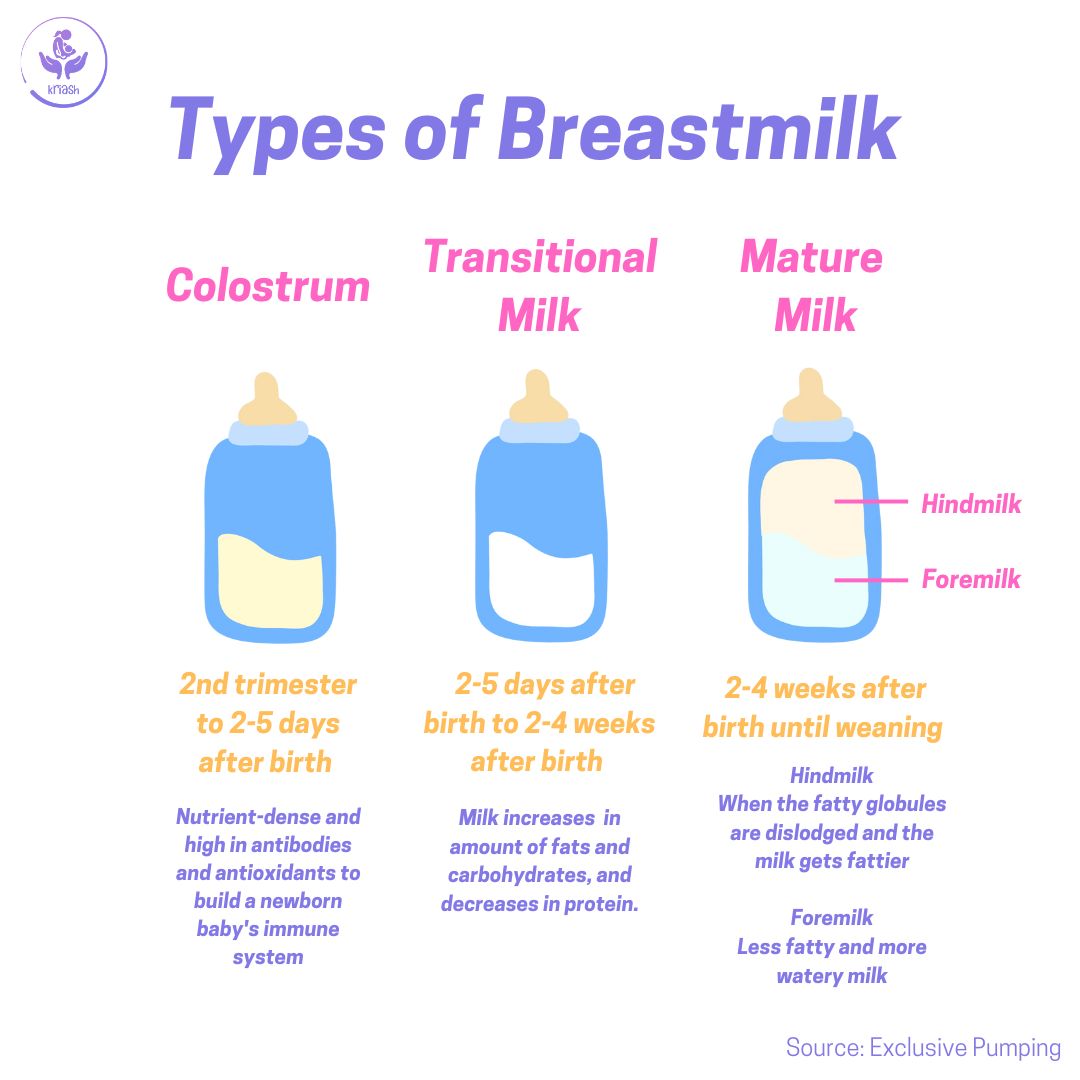
Breast milk is a nutrient-rich fluid produced by the mammary glands of mammals, primarily for feeding their young. It’s considered the ideal source of nutrition for infants, offering a complete and easily digestible blend of fats, proteins, carbohydrates, vitamins, and minerals, as well as bioactive factors that support the baby’s immune system and development.
Breastmilk provides all the energy and nutrients that the infant needs for the first months of life, and it continues to provide up to half or more of a child’s nutritional needs during the second half of the first year, and up to one third during the second year of life.
Here’s a more detailed look at the benefits and composition of breast milk:
- Nutritional Benefits:
Complete Nutrition:
Breast milk provides all the necessary nutrients for an infant’s growth and development in the first six months of life, and continues to contribute significantly to their nutrition needs for the first two years.
- Easy Digestion:
The proteins and fats in breast milk are easily digested and absorbed by a baby’s immature digestive system, according to Johns Hopkins Medicine.
- Immune Support:
Breast milk contains antibodies and other bioactive factors that help protect the baby against infections and boost their immune system.
- Brain Development:
Breast milk contains essential fatty acids crucial for brain and nervous system development, with studies showing positive impacts on cognitive function and vision, according to Johns Hopkins Medicine.
- Long-term Health:
Breastfed babies have a reduced risk of developing certain diseases later in life, such as obesity, type 2 diabetes, and cardiovascular disease.
—–14% Of Newborns Breastfed Within First Hour In Lagos -UNICEF Official—–
Mr Muhammad Okorie, Social Policy Manager and Officer-in-Charge of the UNICEF Lagos Field Office, has raised fresh concerns over Nigeria’s declining rates of optimal breastfeeding practices.
He warned that lack of supportive systems was threatening the health and development of children in the country in spite of increased public awareness.
Speaking in an interview with the News Agency of Nigeria (NAN) to mark the 2025 World Breastfeeding Week, Okorie said the country risked missing key health and development targets if the trend continued.
”In spite of growing awareness, Nigeria still has much ground to cover,” he said, citing the 2021 Nigeria Demographic and Health Survey (NDHS).
”In Lagos State alone, of the over 710,000 births recorded, only 14 per cent of newborns were breastfed within the first hour of life.
”Exclusive breastfeeding stands at 57 per cent, while only 23 per cent of children are breastfed up to two years, a decline from 28 per cent in 2018,” he added.
The UNICEF official described the figures as alarming and a wake-up call for both policy makers and communities to act urgently.
”These numbers show that although efforts are ongoing, we cannot drop the ball.
”This year’s theme is about strengthening systems; healthcare, workplace, community that make breastfeeding a sustainable norm,” he said.
He noted that breastfeeding was not just a personal choice but a societal responsibility, and one that required systems that empower mothers.
Addressing concerns about underserved areas, he said that the issue was less about fear but more of social norms, misinformation, and lack of a conducive environment.
He disclosed that although 97 per cent of Nigerian mothers initiate breastfeeding at some point, the challenge was sustaining exclusive breastfeeding for six months and continuing for up to two years.
”Some mothers for aesthetic reasons, choose not to breastfeed, placing their babies’ health at risk. Others don’t have access to workplace crèches or support systems. This limits their ability to exclusively breastfeed,” he further said.