The Federal Government has revealed that Nigeria loses between N13.3tn and N17.9tn annually in direct and indirect costs due to hepatitis.
The government also said 4,252 Nigerians die each year from liver cancer caused by untreated hepatitis.
The Coordinating Minister of Health and Social Welfare, Prof. Muhammad Pate, said this on Monday at a press briefing in commemoration of World Hepatitis Day, themed “Hepatitis: Let’s break it down.”
According to the World Health Organization, hepatitis is an inflammation of the liver that is caused by a variety of infectious and non-infectious agents, leading to a range of health problems, including severe liver damage and cancer, some of which can be fatal. There are 5 main strains of the hepatitis virus, referred to as types A, B, C, D, and E.
While they can all cause liver disease, they differ in important ways, including modes of transmission, severity of the illness, geographical distribution, and prevention methods.
Pate, who was represented by the Director of Public Health at the ministry, stated that Nigeria has the third-highest burden of hepatitis globally, with over 20 million people infected with hepatitis.
“The nation faces an overwhelming burden, with over 20 million people living with Hepatitis B and C: 18.2 million are affected by Hepatitis B, and 2.5 million by Hepatitis C.
“Over 8.1 per cent of the Nigerian population is infected with Hepatitis B, and despite the availability of vaccination and treatment, over 90 per cent of those infected are undiagnosed and unknowingly transmit the virus to others, including children. Symptoms are often misdiagnosed as malaria. Conditions such as fever, fatigue, and malaise are typically treated with self-medication, while the virus silently damages the liver and may progress to liver failure or cancer. Tragically, 4,252 Nigerians die each year from liver cancer caused by untreated hepatitis.
“The socioeconomic cost of this epidemic is staggering; Nigeria loses between ₦13.3 trillion and ₦17.9 trillion annually in direct and indirect costs,” he said.
In response to these alarming statistics, the FG is flagging off a nationwide, year-long initiative tagged Project 365, a constituency-by-constituency screening, diagnosis, and treatment campaign aimed at eliminating Hepatitis C and interrupting the transmission of Hepatitis B in Nigeria by 2030.
Further measures announced by the government include increased budgetary support for hepatitis programmes, creation of a Viral Elimination Fund, tax incentives, and regulatory reforms to encourage local pharmaceutical production, and legislative backing for expanded access to diagnostics and treatment across all geopolitical zones; and regulatory reforms to streamline approval processes for hepatitis-related commodities.
In her goodwill message, the National Coordinator of the Africa CDC, Dr. Oluyinka Olayemi, reaffirmed the centres’ solidarity with Nigeria and praised the country’s commitment to driving impactful health interventions.
The message delivered by the Technical Officer in AfricaCDC, Titilola Munkail, said, “We are hopeful that Nigeria will continue to lead as it has always done in the elimination of harmful diseases, setting the pace for others to follow,” the message stated.
Africa CDC also acknowledged the efforts of key stakeholders and communities involved in the hepatitis response and pledged continued support for Nigeria’s health agenda.
On his part, the Presidential Ambassador on viral hepatitis control/elimination in Nigeria, General Yakubu Gowon, commended the efforts of the ministry, the World Health Organization, healthcare workers, organizations, stakeholders, partners, and individuals dedicated to fighting hepatitis in the country.
Gowon, who Adeyeye Ajayi represented, said the country can overcome the barriers of stigma, misinformation, and limited access to testing and treatment of hepatitis.
“Let us reaffirm our commitment to eliminating viral hepatitis by 2030. I urge everyone to join hands in this fight, promoting awareness, education, and collective action. May World Hepatitis Day 2025 inspire hope, unity, and progress toward a hepatitis-free Nigeria and the world over,” he said.
The National Coordinator of the National AIDS and STDs Control Programme, Dr. Adebobola Bashorun, explained that Project 365 is focused on testing, treatment, and vaccination in all communities and constituencies, in partnership with the National Assembly.
He emphasized the importance of community mobilization, using advocacy, media, and education to raise awareness about Hepatitis B and C, which are primarily transmitted through unprotected sex, blood contact, and other infected body fluids.
He advised preventive measures including abstinence, fidelity, and condom use.
“You have to be faithful, and of course, do use a condom when you need to have sexual relations with anybody, because the mode of transmission of Hepatitis B and C is very closely related and linked to other blood-borne diseases, such as HIV. So the approach is to ensure that you prevent transmission.
“For those who are infected, there is a curable treatment for hepatitis C. But for Hepatitis B, there is no treatment, but there are drugs that can moderate the rapidity of the development of chronic Hepatitis B infection in an individual after a full test has been done to determine whether it is an ongoing infection or a long-term chronic infection,” he added.
Some Hepatitis Facts
- How does someone get hepatitis?
You may get hepatitis A when you eat or drink something contaminated with infected stool. You may also get the infection through close contact with a person who has hepatitis A. The virus can live on surfaces for a few months. The virus does not spread through casual contact or by sneezing or coughing.2 Jul 2024
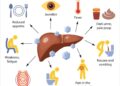
- What are the main 6 symptoms of hepatitis?
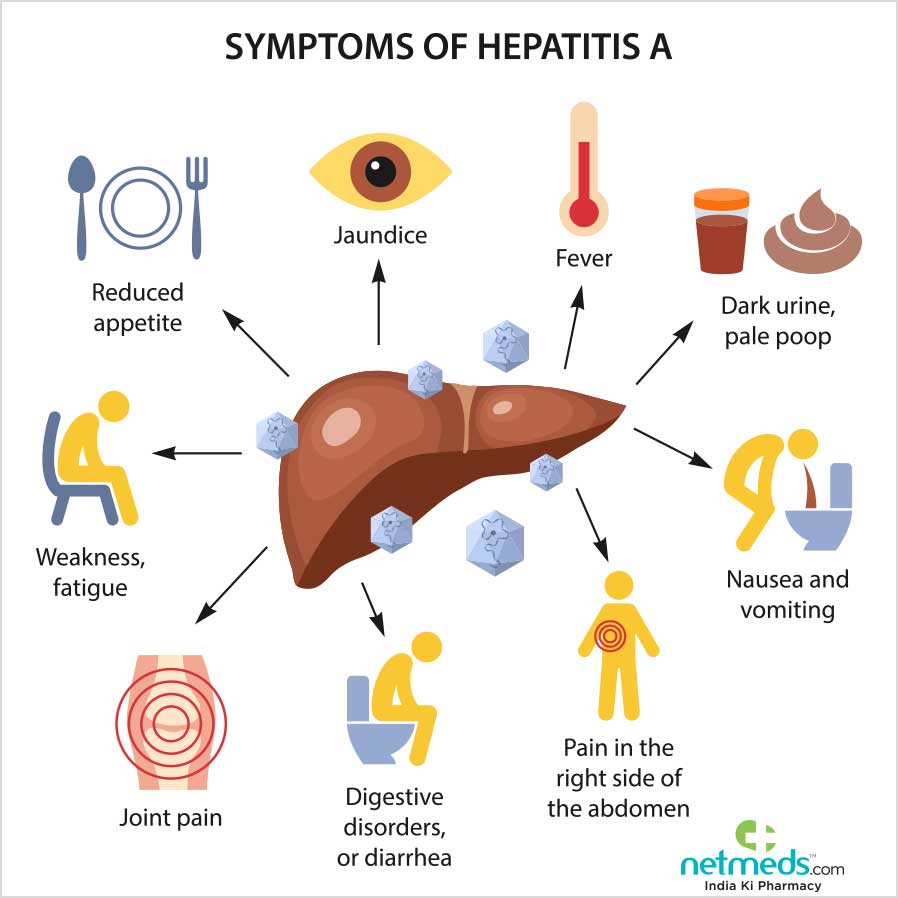
Dark urine or clay-colored stools.
Feeling tired.
Fever.
Joint pain.
Loss of appetite.
Nausea, stomach pain, throwing up.
Yellow skin or eyes (jaundice)
- Which hepatitis is not curable?
Chronic hepatitis B is generally not curable. While there are treatments to manage the infection and prevent liver damage, there is no cure for chronic hepatitis B. Hepatitis C, on the other hand, is curable with new treatments.
Most adults who contract hepatitis B will recover on their own (acute infection). However, a significant portion (especially infants and children) develop chronic hepatitis B, which is a long-term infection with no cure. While there’s no cure, treatments can help manage the infection and reduce the risk of liver damage.
- How do I know if I’ve got hepatitis?
Long-term (chronic) hepatitis also may not have any obvious symptoms until the liver stops working properly (liver failure) and may only be picked up during blood tests. In the later stages it can cause jaundice, swelling in the legs, ankles and feet, confusion, and blood in your stools or vomit.
- How do you avoid getting hepatitis?
Ensuring good hygiene and avoiding contact with contaminated objects or bodily fluids can protect against infection by any of the hepatitis viruses. Hepatitis A is spread through close contact with an infected person or contact with water and food contaminated by stool, which may occur in places with poor sanitation.
- How do you flush out hepatitis?
It is very important people who know they have acute Hepatitis B get regular sleep if tired and avoid alcohol and antibiotics as both can make the Virus lasting and chronic. Diet should be mild avoiding fried and fatty foods and far less red meat. Water is also important to help flush the virus out.
- What are the first signs of a bad liver?
The first signs of a bad liver can include jaundice (yellowing of the skin and eyes), abdominal pain and swelling, swelling in the legs and ankles, itchy skin, dark urine, pale stool, constant tiredness, and nausea or vomiting. Additionally, a general sense of un-wellness (malaise), disorientation, sleepiness, and a musty or sweet odor in the breath can also be early indicators