By Oluyinka Onigbinde
A new push to position Lagos State as a major gateway for regional trade within the Economic Community of West African States (ECOWAS) is gaining momentum, following a strategic engagement between the Lagos State Government and private sector stakeholders led by Alabaru Global Services.

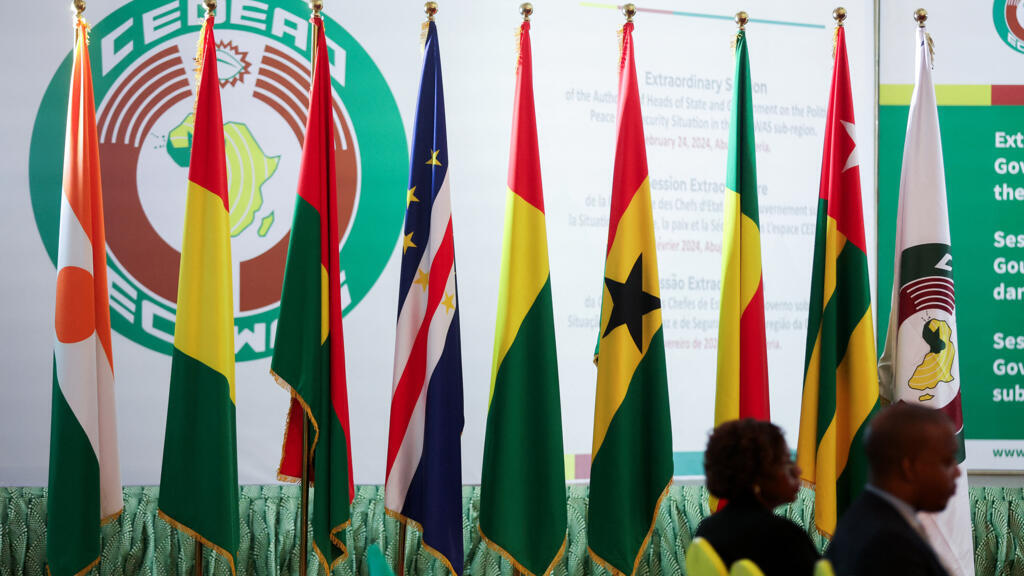
Speaking during the visit, the Managing Director of Alabaru Global Services, Mr. Olusegun Elufioye, outlined a vision aimed at integrating Lagos more deliberately into the ECOWAS transport and trade ecosystem. According to him, the initiative seeks official designation of key transport nodes—particularly Oshodi Terminal 3 and Yaba—as regulated ECOWAS transit points.
Elufioye explained that such designation would allow Nigerians and other West African nationals to access safe, secure, reliable and efficient cross-border transport services from structured terminals, eliminating the current informal and largely unregulated system.
“At the moment, cross-border transport operations are fragmented. Various private operators function without a central regulatory framework. What we are proposing is a system where travelers can park their vehicles securely, board organized transport to destinations like Togo and return seamlessly,” he said.
He emphasized the strategic advantage of the Oshodi Transport Interchange, noting its multimodal connectivity. The terminal links road transport with rail, waterways, and is located in close proximity to the airport, making it an ideal hub for regional mobility.
“A traveler can arrive from Sokoto by air, walk into the terminal, and connect to a regional transport service without stress. That is the kind of efficiency we are looking at,” Elufioye added.
On security concerns, he expressed confidence in the infrastructure, stating that the facilities, managed by Planet Projects, meet high safety standards suitable for international transit operations.
While revenue projections for the Lagos State Government were not disclosed in detail, Elufioye noted that the financial framework is embedded in a broader business development plan, which will guide operational sustainability and government earnings.
Providing further insights, Dr Samuel Babatunde, a key stakeholder in the initiative, stressed that the proposal aligns with broader continental trade objectives, particularly the African Continental Free Trade Area.
He noted that formalizing ECOWAS transport hubs in Lagos would not only enhance trade flows but also unlock significant economic and social benefits.
“This initiative is about bringing Lagos into the heart of regional trade while also delivering efficient and secure transportation for taxpayers. It supports our participation in AfCFTA and strengthens regional integration,” Babatunde said.
Beyond trade facilitation, the project is expected to create employment opportunities. Babatunde revealed that at least 100 Nigerians would be engaged at the initial phase, with projections rising to 200, and more as operations expand across West Africa.
The initiative also seeks to maximize the utility of existing infrastructure, particularly facilities that are currently underutilized.
“This edifice is here, but not fully optimized. By integrating it into ECOWAS trade routes, we can enhance its capacity, drive economic activity, and ensure it serves its intended purpose,” he added.
On regulatory alignment, Babatunde disclosed that a waiver proposal has already been submitted to the Nigeria Customs Service, a critical step in facilitating cross-border operations. He expressed optimism that approval from the Lagos State Government would further strengthen engagements with Customs authorities.
The proposed framework, if approved, is expected to formalize cross-border passenger movement, improve safety standards, boost state revenue, and position Lagos as a leading hub for intra-African trade.
As Nigeria continues to explore opportunities under AfCFTA, initiatives like this highlight the growing role of public-private partnerships in unlocking the country’s vast economic potential within the West African sub-region