The Maritime Reporters’ Association of Nigeria (MARAN) has raised serious concerns about worsening environmental and health conditions around key industrial areas in Apapa and Tin Can Island, Lagos, especially near the facilities of Flour Mills Nigeria Plc, Dangote Group, Olam Agric, BUA Foods, and Honeywell Flour Mills.
In a statement issued in Lagos, MARAN President, Mr. Godfrey Bivbere, described the situation as “increasingly hazardous,” pointing to the presence of airborne particles suspected to be linked to flour and other industrial processing activities. He said the association has observed that the health of port users, journalists, security operatives, and other workers within the area is being adversely affected.
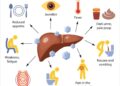
“Many individuals who frequent the Apapa-Tin Can corridor have reported symptoms such as eye irritation, persistent coughing, and respiratory discomfort,” Bivbere noted, calling for urgent intervention by relevant regulatory bodies.
The association stressed the need for immediate air quality assessments to be conducted by the Federal Ministry of Environment and the Lagos State Environmental Protection Agency (LASEPA), in line with World Health Organization (WHO) standards.
“The Apapa and Tin Can port corridors are vital national assets that must be maintained to the highest environmental and health standards,” MARAN said in the statement. “We are observing a significant level of airborne dust that raises serious concerns about long-term public health and infrastructure sustainability.”
MARAN further recommended that mobile medical clinics be deployed to provide on-the-spot health support for those who may have been exposed to the hazardous environment.
Additionally, the group called on industrial operators in the area to reassess their environmental management systems and adopt international best practices such as enclosed silos and efficient dust extraction systems.
The association warned that beyond the health hazards, continued dust accumulation could also compromise the integrity of recently rehabilitated roads in the area, potentially eroding the gains of public infrastructure investments.
Reaffirming its commitment to environmental justice and industrial safety, MARAN pledged to continue its monitoring activities and collaborate with stakeholders to ensure the Apapa and Tin Can corridors are safe, efficient, and compliant with global environmental standards.