By Joshua Yousouph
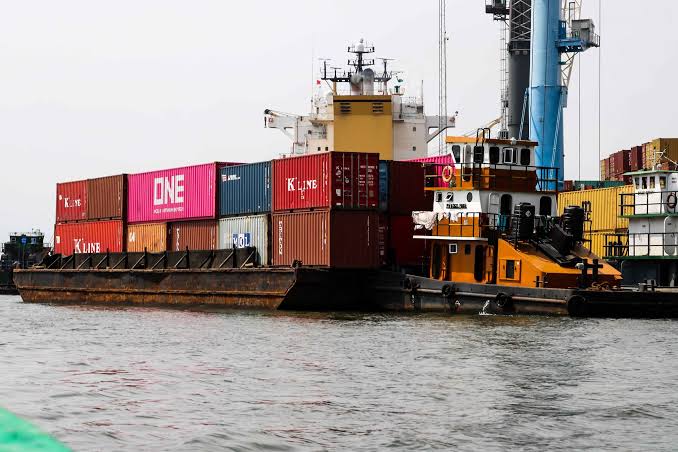
Findings by Shipping Position Daily have revealed that the number of indigenous barge operating companies in Nigeria has declined sharply from 83 to just eight, prompting urgent calls for government intervention.
The alarming disclosure was made by the Director of Operations for Barge Operators Association of Nigeria (BOAN), Mr. Nura Wagani, during a stakeholders’ engagement last week, where he appealed to the Federal Ministry of Marine and Blue Economy to establish a dedicated desk for barge operations under the Directorate of Maritime Services.
Wagani, who spoke emotionally, lamented that indigenous operators are being edged out of business by foreign interests that now dominate both terminal ownership and barge operations across the country.
“We are indigenous barge operators operating within our country, yet we don’t have a seat. The foreigners own the terminals and the barges. So where do we run to?” he queried.
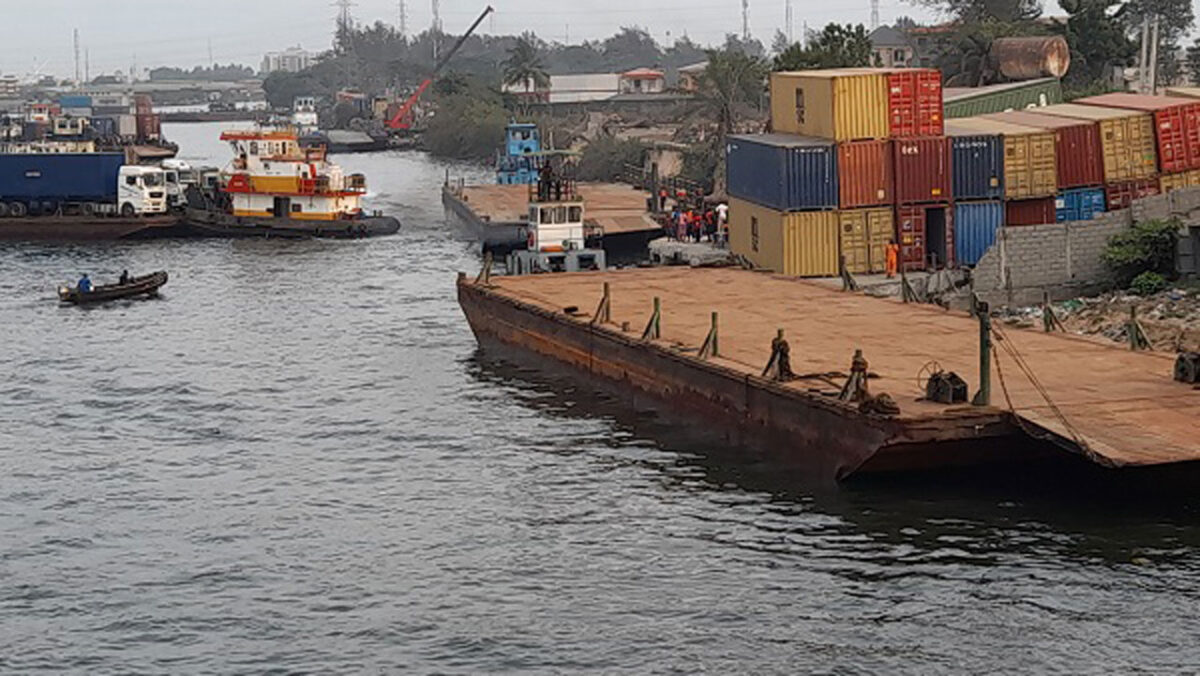
He noted that the drastic drop from 83 to eight indigenous companies underscores the growing threat to local content and the survival of Nigerian-owned barge businesses.
Wagani also decried what he described as neglect by key maritime regulatory agencies, including the Nigerian Maritime Administration and Safety Agency (NIMASA), the Nigerian Shippers’ Council (NSC), the Nigerian Ports Authority (NPA), and the National Inland Waterways Authority (NIWA).
“Whenever we take our cries to the regulators, nobody listens to us. Are we not part of this country? Are we not contributing to the economy?” he asked.
He therefore called for the appointment of a Deputy Director specifically in charge of barge operations within the ministry, noting that such a move would provide a clear channel for engagement and timely resolution of industry concerns.
In his response, the Minister of Marine and Blue Economy, Adegboyega Oyetola, directed the Executive Secretary of the Nigerian Shippers’ Council (NSC) Dr. Akutah Pius to look into the matter and make formal recommendations.
“I am directing the ES of Nigerian Shippers Council to look into it, and make a formal recommendations for us to be able to support them” Oyetola noted.
The minister’s directive is expected to pave the way for possible policy interventions aimed at protecting indigenous operators and strengthening local participation in Nigeria’s maritime industry.