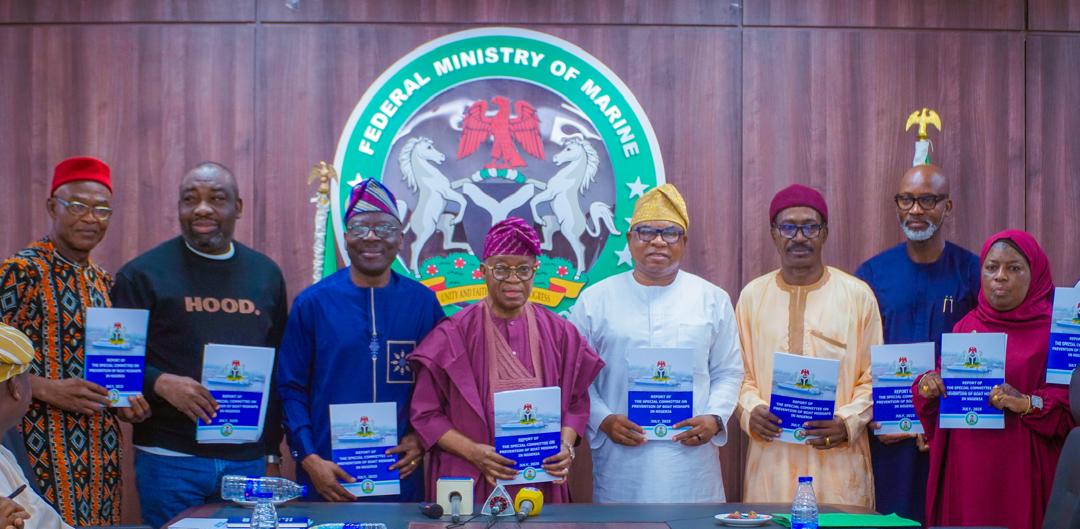
The Minister of Marine and Blue Economy, Adegboyega Oyetola, on Friday, received the report of the Special Committee on the Prevention of Boat Mishaps in Nigeria, assuring that the Federal Government will implement far-reaching reforms aimed at improving safety on the nation’s waterways.
The report, which contains 64 recommendations focused on reducing fatalities and promoting safe navigation across Nigeria’s inland and coastal waters.
While receiving the report, Oyetola described the frequent occurrence of boat mishaps as preventable, stating that the Federal Government remains committed to addressing the challenges through enhanced policy enforcement, stakeholder engagement, and the promotion of safety culture among waterway users.
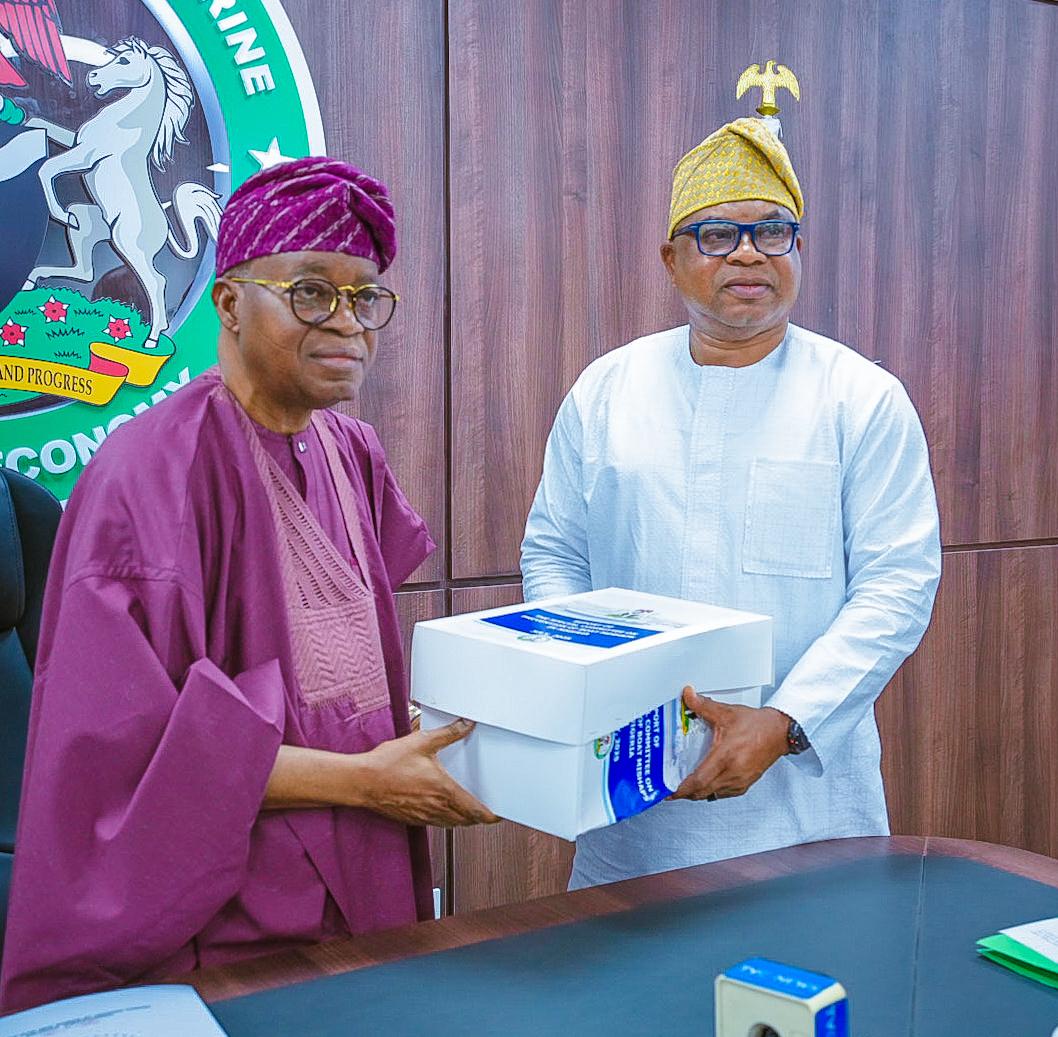
“The safety of our citizens on water is not just a policy responsibility; it is a moral duty,” the Minister said. “Every life lost in a boat mishap is one too many. This report will guide both immediate and long-term interventions.”
Oyetola highlighted the government’s intention to phase out substandard and unsafe boats and replace them with vessels that meet established safety standards. He also emphasized the compulsory use of life jackets, which he described as non-negotiable for all water transport users.
The Minister called for collaboration with state governments and sub-national authorities, noting that addressing the challenge of boat accidents requires collective effort beyond the federal level. He also disclosed that a nationwide distribution of life jackets had been approved for riverine and coastal communities.
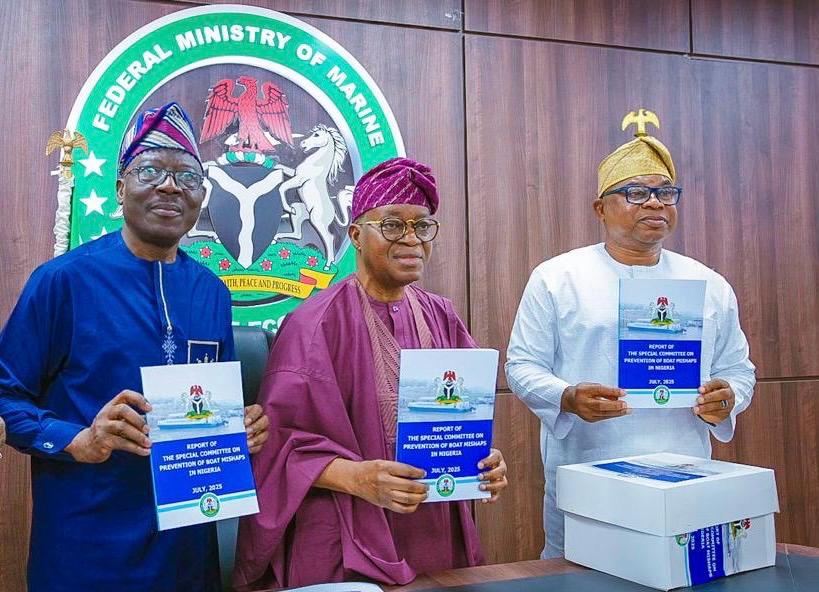
The 16-member Special Committee, which was inaugurated on February 27, 2025, was tasked with conducting a comprehensive assessment of commercial boat operations across the country. The committee’s mandate included identifying root causes of accidents and proposing sustainable safety measures.
Presenting the report, Chairman of the Committee and Managing Director of the National Inland Waterways Authority (NIWA), Bola Oyebamiji, said the committee’s work was extended beyond the initial six-week timeline to ensure a detailed and credible outcome.
Oyebamiji explained that the report, presented in six chapters, covers an evaluation of operational practices, regulatory gaps, vessel design issues, and institutional capacity. Key proposals include the establishment of a Coastal Guard, the formulation of a National Boat Design Policy, compulsory training and certification for boat operators, improved funding for NIWA’s technical functions, and the creation of search and rescue stations in key locations.
The committee’s recommendations were developed through the work of four sub-committees, which engaged in both virtual and physical meetings. Oyebamiji expressed appreciation to the Minister for his support and to committee members for their contributions.
“This report reflects our collective effort to improve safety and oversight across Nigeria’s waterways. We believe the findings will serve as a strategic guide for enduring reforms,” he said.
The committee is composed of experts in maritime safety, engineering, law, academia, and public policy. Members include Dr. Dayo Moberuola, Prof. S. Abiodun, Dr. Babatunde Olaosebikan, Prof. Busayo Fakinlede, Hadiza Idris Kuta, Engr. Yahaya Farouk, Attahiru Maccido, and Denis Tar Iyaghigba. Others are Gani Tarzan Balogun, Capt. Stan Chucka Igwe, Raiph Onoshakpor, Prof. Ibiba Douglas, Richard Ntan, Babatope Fajemirokun, and Ofie Adams.
The submission of the report aligns with the goals of the current administration’s Renewed Hope Agenda, particularly in promoting a safer and more sustainable blue economy.