Diabetes is a chronic disease that occurs when the body doesn’t produce enough insulin or can’t use insulin properly. This results in high blood sugar levels, which can damage the heart, eyes, kidneys, nerves, and blood vessels over time.
There are several types of diabetes, including type 1 and type 2, as well as gestational diabetes, maturity-onset diabetes of the young (MODY), neonatal diabetes, and steroid-induced diabetes. Type 2 diabetes is the most common type and usually develops in adults, while type 1 diabetes, also known as juvenile diabetes, can start at any age but often begins in childhood or the teenage years.
Glucose (sugar) mainly comes from carbohydrates in your food and drinks. It’s your body’s go-to source of energy. Your blood carries glucose to all your body’s cells to use for energy.
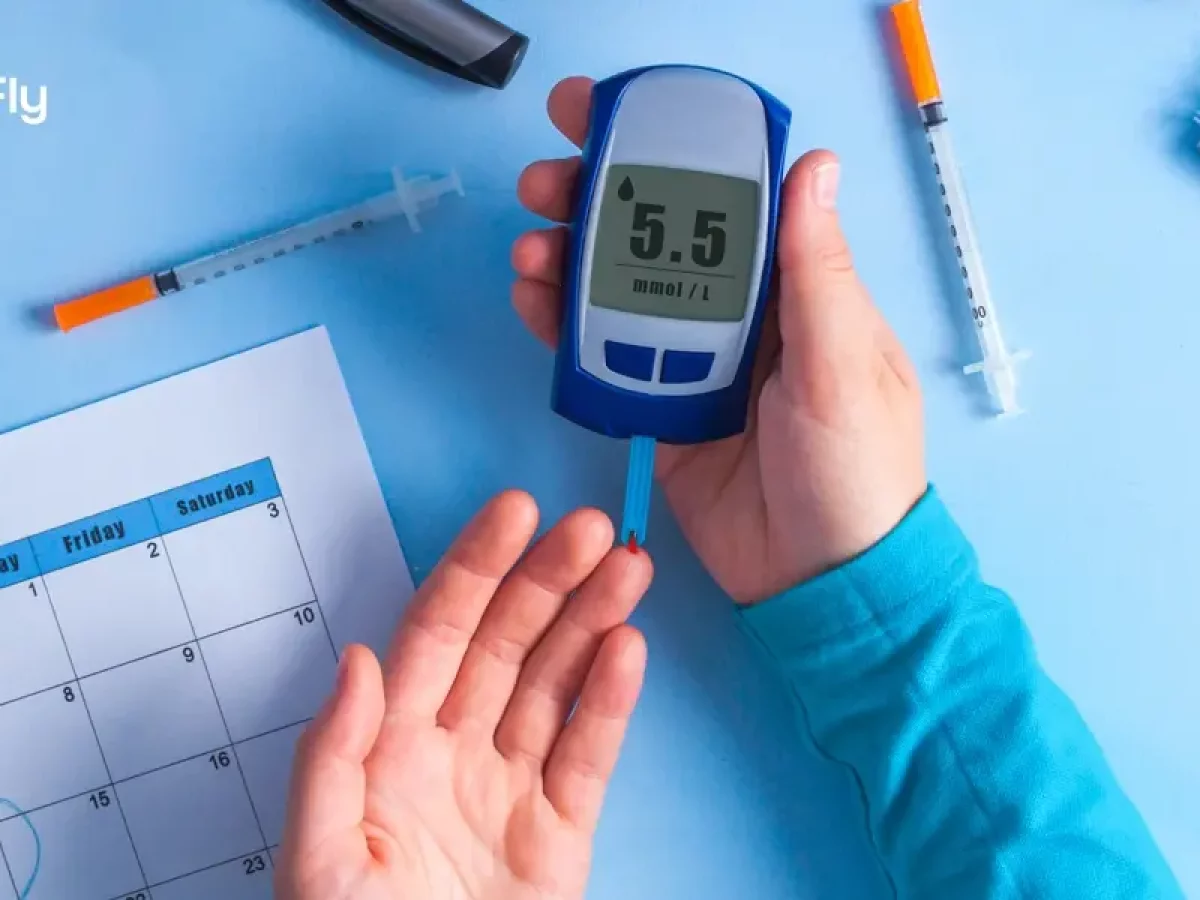
When glucose is in your bloodstream, it needs help — a “key” — to reach its final destination. This key is insulin (a hormone). If your pancreas isn’t making enough insulin or your body isn’t using it properly, glucose builds up in your bloodstream, causing high blood sugar (hyperglycemia).
Over time, having consistently high blood glucose can cause health problems, such as heart disease, nerve damage and eye issues.
What happens
The pancreas produces insulin, a hormone that helps glucose get into cells for energy. When the body doesn’t produce enough insulin or can’t use it properly, glucose builds up in the blood instead of reaching cells.
——–Epidemic Worsens As Cost Of Drugs Hits N100,000 Per Patient Monthly——–
Celebrated every 14th of November, the theme for WDD 2024 is “Diabetes and well-being”. The theme highlights the impact of diabetes on people’s physical and mental health and the importance of well-being in diabetes care. It highlighted the need to expand the scope of care as diabetes care often focuses only on blood sugar, leaving many overwhelmed with the daily challenges of managing their condition at home, work, and school.
A consultant endocrinologist and professor of medicine at the University of Lagos Teaching Hospital, Olufemi Fasanmade, told The Guardian that diabetes is mainly a lifestyle disease. He noted that weight gain, poor sleep patterns, and high-stress levels would only make the disease common.
As countries mark World Diabetes Day last Wednesday, the alarming burden of its prevalence in Nigeria, and the anguish of sufferers, and care practitioners alike, have been brought to the fore.
The deadly lifestyle disease is assuming an epidemic proportion nationwide, exceeding the national average of 5.7 to 10.7 per cent in the South-West part of the country, and about 43 per cent of communities are now at risk.
The worst is that the cost of care now ranges between N500,000 to N800,000 per patient, with the estimated cost of medication in excess of N100,000 a month.
Care practitioners told The Guardian that the recent 300 to 400 per cent spike in drugs and consumables has pushed the option of care beyond most diabetics, and almost a death knell on the growing community of sufferers.
They said besides the urgency of tackling mass staff shortage at care facilities, the federal government must take a tougher and more effective stance on the control of processed foods and Sugar-sweetened Beverages (SSBs) – the primary suspect of obesity and diabetes globally.
Sugar-sweetened beverages (SSBs) have become a major public health concern worldwide, particularly in low- and middle-income countries like Nigeria. Stakeholders reckon that most Nigerians practically have a sweet tooth. And while the prices of SSBs have more than doubled due to inflation, Nigerians have increasingly turned to cheaper brands, continuing to consume these drinks due to the lack of healthier alternatives, and heightening the risk of diabetes.
As a result, regular consumption of SSBs cum sedentary lifestyle has been linked to a range of health issues, most notably obesity, type 2 diabetes, and cardiovascular diseases.
Experts estimated that the national prevalence of diabetes has surged to 5.7 per cent, which represents about six to eight million Nigerians and some local studies estimate rates as high as 10.7 per cent in certain regions. This increase is attributed to changing dietary habits amongst other things.
Most worrisome today is the access to diabetes care, especially due to the rising costs of essential medications and devices, such as insulin and glucose meters.
Findings showed that the average monthly cost of drugs is about N100,000. Currently, a vial of insulin costs between N18,000 and N21,000 – about a 400 per cent spike from its previous price of N3,500. Common anti-diabetic drugs like Novorapiad (flexpen) cost N6,500 about two years ago. Now, it sells for N20,000.
A pack of five Lantus insulin, which was N22,000 now costs N58,000. A pack of Diamicron MR (30mg) now sells for N6,500 compared with N2,200 erstwhile sold. Similarly, Galvus (Novartis) 50/1000mg was N2,400, but now sells for N5,200. Glucophage was N900 but currently sells for N5,700; Alphabetic was formerly N4,500, now N10,500.
According to experts, many patients require a combination of insulin, oral medication, and additional drugs for related conditions like hypertension, making treatment prohibitively expensive.
Findings have shown that many Nigerians are now rationing their drug dosages, turning to unregulated alternatives, including herbal remedies and prayer houses, resulting in more diabetes-related complications like blindness, kidney disease, and premature deaths.
Consequently, “many patients are now cutting down on their drug dosages, turning to unregulated alternatives, including herbal remedies and prayer houses, resulting in more diabetes-related complications like blindness, kidney disease, and premature deaths,” a practitioner said.
For instance, a roadside roasted plantain seller, Mrs Kudirat Ojurongbe, consumed at least three bottles of fizzy drinks daily to cope with the pressure of working in the sun. The routine persisted until she was diagnosed with Type 2 diabetes and hypertension last March.
Another patient, John Odey, a resident of Awada, Onitsha, Anambra State, was also addicted to a brand of stout drink that was believed to be healthy until he was diagnosed with diabetes.
As of the time he started his treatment course, a pack of 1000mg of Glucophage was sold for N900, but now, it has increased to N5,000 a sachet. Due to this, Odey now skips his medication as he can hardly afford the money to get the drug and recently developed blurry vision.
Already, the Minister of Health, Ali Pate, had expressed fears that the cost of treating diabetes could exceed N1,000,000 by 2030, shifting from an average of N60,000 per person in 2011 and N800,000 in 2021.
But his prediction is fast becoming a reality. The National President, Diabetes Association of Nigeria (DAN), Ejiofor Ugwu, who is also an associate professor of medicine and a consultant endocrinologist, said the cost of treating and managing diabetes in the country has already gone “astronomically expensive” as the average Nigerian can no longer afford their medications, creating room for development of chronic complications of diabetes, including blindness, amputations, kidney diseases and premature deaths.
Speaking on the availability of diabetes specialists in the country, Ugwu said the country currently has one endocrinologist to 600,000 people, and almost the same in other specialities since diabetes management is multi-disciplinary care.
He also emphasised that Nigeria only has two podiatrists (a specialist who manages foot problems that could stem from diabetes complications or other issues) serving over 200 million people, which is grossly inadequate.
“We have gross manpower deficiency in Nigeria when it comes to diabetes treatment, this has been there, but it is getting worse with an increase in brain drain happening in the country, especially in the healthcare sector,” he said.
Ugwu added that something needs to be done to stop brain-drain through remuneration increases for healthcare professionals in the country, as well as encouraging training institutions to produce more specialists.
*Culled from The Guardian
All You Need To Know About Diabetes———-
· What is the main cause of diabetes?
Overweight, obesity, and physical inactivity
You are more likely to develop type 2 diabetes if you are not physically active and are overweight or have obesity. Extra weight sometimes causes insulin resistance and is common in people with type 2 diabetes.
· What are the first signs of being diabetic?
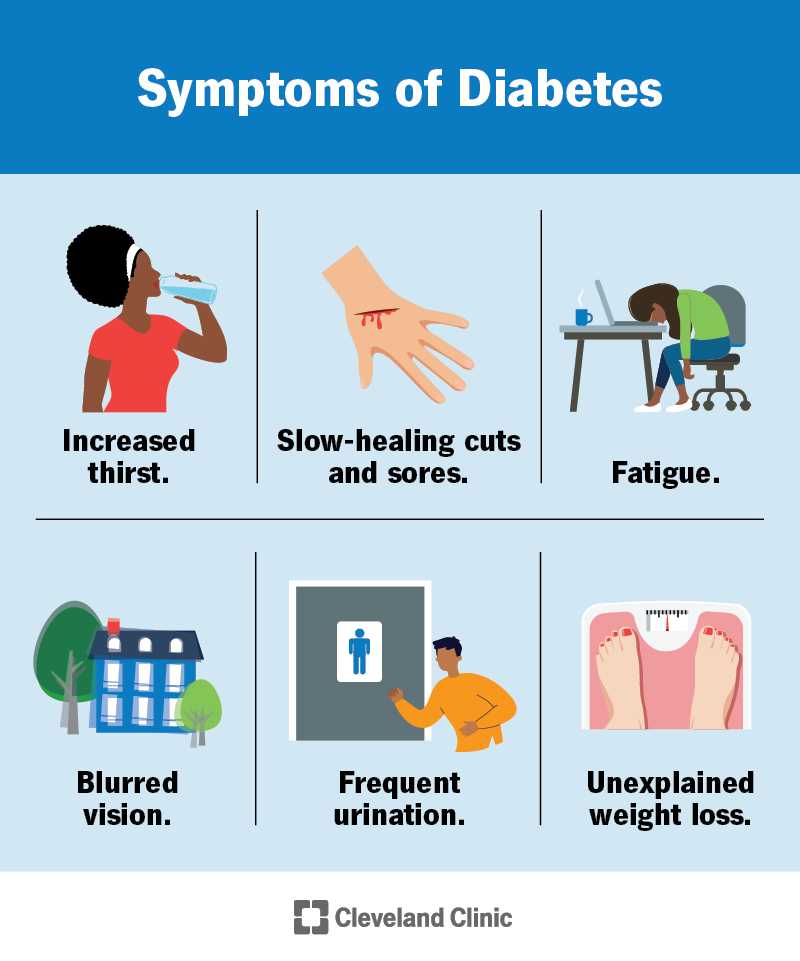
If you have any of the following diabetes symptoms, see your doctor about getting your blood sugar tested:
- Urinate (pee) a lot, often at night.
- Are very thirsty.
- Lose weight without trying.
- Are very hungry.
- Have blurry vision.
- Have numb or tingling hands or feet.
- Feel very tired.
- Have very dry skin.
To manage diabetes, people can:
- Maintain a healthy weight
- Eat a healthy, balanced diet
- Exercise at least 150 minutes per week
- Avoid smoking and limit alcohol consumption
· What should diabetics drink first thing in the morning?
Drinking enough water is important for everyone, but it’s especially important for people with diabetes. Aim for at least eight cups of water per day and try to drink a glass of water first thing in the morning.
· Which fruit is highest in sugar?
The fruits with the highest sugar content include mangoes, pomegranates, oranges, and pears. If someone has diabetes, they can still have these fruits, but they may wish to ask their doctor if they should eat them in smaller portions.
· Which fruit can reduce sugar?
Berries. Don’t make your trip to the store fruitless. Dad jokes aside, foods like blueberries provide fiber and antioxidants known to lower blood sugar and inflammation. Similarly, one study found strawberries reduced diabetes complications like kidney disease and nerve damage.
· Is banana good for diabetes?
Takeaway. A person with diabetes should include a variety of fresh, whole foods in their diet, such as nutrient-dense fruits and vegetables. Bananas are a safe and nutritious fruit for people with diabetes to eat in moderation as part of a balanced, individualized eating plan.
· Is plantain good for diabetics?
Making sure blood sugar levels don’t go too low or too high is an important goal if you’re living with type 2 diabetes. Foods like plantains that digest slowly have a low glycemic index (GI). A GI under 55 is considered low. Plantains have a GI in the 40s, making them a good food choice if you have diabetes.
—–Study Reveals Exercise Could Lower Risk Of Type II Diabetes——
A new study led by the University of Sydney has revealed that undertaking regular physical activity could lower the risk of Type II diabetes.
The study said even if someone has a genetic risk of developing the disease, it helped.
According to the research published in the British Journal of Sports Medicine, those who undertook more than an hour of moderate to vigorous” level of physical activity per day are at 74 per cent.
Constant exercise could lower the risk of developing Type II diabetes compared with those who undertake less than five minutes of physical activity per day.
Researchers also found that participants, who undertook greater levels of physical activity but were in a higher risk category for type two diabetes.
They are at a lower risk of being diagnosed with the medical condition, in comparison to those who were least active and in a lower-risk category.
“We are unable to control our genetic risk and family history, but this finding provides promising and positive news that through an active lifestyle, one can ‘fight off’ much of the excessive risk of type 2 diabetes,’’ said Melody Ding.
Ding, a senior author of the study and associate professor at the University of Sydney.
The study involved 59,325 adults from the UK Biobank, a biomedical research resource and database, housing anonymised, genetic, lifestyle and health information relating to half a million people across Britain.
Participants wore activity trackers on their wrists at the beginning of the study and were monitored for up to seven years, with health outcomes recorded.
The study suggested that that physical activity should be promoted as a preventive measure against the onset of diabetes.
“Our hope is that this study will inform public health and clinical guidelines so that it can help chronic disease prevention for health professionals, organisations and the public,’’ the expert added.
Data from the World Health Organisation showed that about 422 million people worldwide have diabetes, and 1.5 million deaths are directly attributed to diabetes each year.