The Speaker of the House of Representatives, Rt. Hon. Tajudeen Abbas, has described the Federal Government’s Compressed Natural Gas (CNG) policy as central to Nigeria’s clean energy transition, stressing its potential to offer a safer, cleaner, and more affordable alternative to petrol, especially for the transport sector.
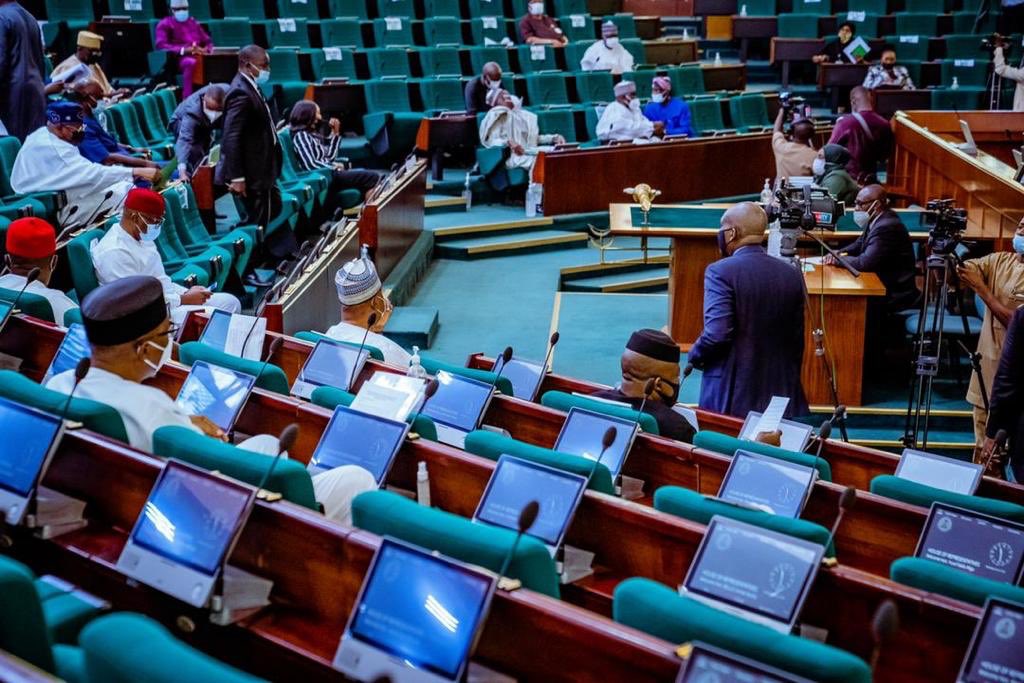
Speaking through Hon. Sada Soli at an investigative hearing organized by the House Ad-hoc Committee on the Implementation of the CNG Policy on Thursday, Abbas said the initiative—introduced in response to fuel subsidy removal—was expected to reduce transportation costs, enhance environmental quality, and stimulate investment in the gas sector.
Abbas, however, expressed concern over widespread reports of implementation delays, infrastructure gaps, and uncertainties around safety and sustainability. He emphasized the need for transparency and accountability.
“As the House of the people, we must ensure that public funds are used effectively. Are Nigerians seeing the benefits? Are safety and environmental standards being met?” he queried. He urged stakeholders to approach the exercise with sincerity, noting that the hearing was not intended as a witch-hunt but a platform to identify obstacles and proffer practical solutions.
Chairman of the Ad-hoc Committee, Hon. Jaha Ahmadu Usman, echoed the Speaker’s concerns, warning that the policy could fail unless urgent reforms and transparent oversight mechanisms are introduced. He cited challenges around accessibility, equity, infrastructure, and legal frameworks, and emphasized the need for stronger alignment with international best practices.
He noted that the committee had requested documentation from key Ministries, Departments, and Agencies (MDAs), including the Ministries of Petroleum (Gas), Finance, Environment, and Transportation; as well as regulatory agencies such as NMDPRA, NUPRC, SON, FRSC, NEITI, Customs, and the National Bureau of Statistics.
Usman urged all stakeholders—from upstream to downstream operators—to collaborate on a roadmap for the local production and sustainable deployment of CNG infrastructure.
“If this programme is lagging, we need to understand why. If it is progressing, we must identify the gains and ensure they are consolidated,” he said.
Providing an update on progress, Mr. Michael Oluwagbemi, Project Director of the Presidential CNG Initiative (PCNGi), disclosed that the number of CNG vehicle conversion centres had increased from seven to 300 across 24 states. He said the Initiative was collaborating with various sectors to carry out free vehicle conversions and had adopted a zero-tolerance policy on corruption, which recently led to the dismissal of two staff for misconduct.
He called for increased funding to support Phase II of the initiative, including youth capacity-building and further expansion of conversion infrastructure.
Representing the Minister of State for Petroleum Resources (Gas), the Permanent Secretary, Mr. Vitalis Ibe, said government efforts are underway to expand CNG infrastructure nationwide, describing the policy as both “pocket-friendly and climate-friendly.” He noted that it is increasingly gaining public acceptance due to its affordability and safety profile.
Executive Vice President (Gas) of the Nigerian National Petroleum Company Limited (NNPCL), Mr. Lekan Ogunleye, commended the current administration for reviving the policy after years of neglect. He revealed that the NNPCL has designated a focal officer to liaise with investors and that critical infrastructure is already in place to support vehicle conversions, with a proposed 50% discount to ease the financial burden on Nigerians.
Also speaking, representatives of transport unions such as the National Union of Road Transport Workers (NURTW) and the Road Transport Employers Association of Nigeria (RTEAN) endorsed the initiative but called for fair and inclusive access to the benefits across all states.
The Federal Road Safety Corps (FRSC) also declared full support for the CNG programme, emphasizing its safety and cost-effectiveness. Represented by Deputy Corps Marshal Abiodun Akinlade, the Corps Marshal, Shehu Mohammed, said the Corps was updating its protocols to include CNG-specific inspections and safety training for personnel. He confirmed that CNG has a higher ignition point than petrol and disperses more easily, reducing explosion risks.
“CNG adoption brings 40–60% fuel savings, lowers engine wear, and reduces breakdowns. These advantages translate into safer roads and reduced costs,” Mohammed stated.