The Nigerian Safety Investigation Bureau (NSIB) has called for an end to the seemingly long-standing rift amongst government agencies regulating Nigeria’s maritime waters, seeking closer collaboration with them to enhance safety through independent accident investigations and preventive safety recommendations.
This is even as it has urged maritime regulatory agencies to set aside past disputes over overlapping functions and work together to improve safety on the nation’s inland waterways.
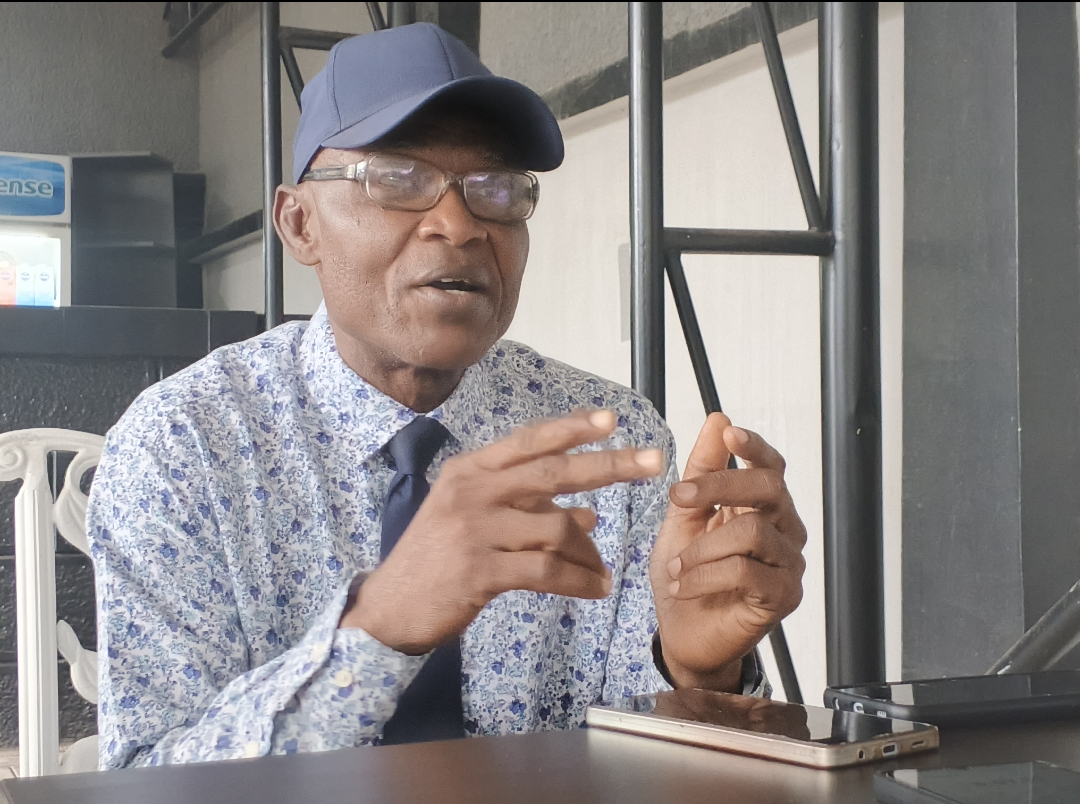
Speaking with on behalf of the Director General, Captain Alex Badeh Jr, during a media chat with Shipping Position Daily in Minna, Niger state recently, a Marine Safety Investigator, Captain Stan Igwe (rtd) stressed that NSIB’s role is not to indict agencies or encroach on their mandates, but to independently investigate accidents and issue safety recommendations aimed at preventing future tragedies.
Clarifying NSIB’s role, Capt. Igwe noted that the Bureau, formerly known as the Accident Investigation Bureau (AIB), was restructured under the 2022 Establishment Act into a multimodal accident investigation agency covering air, marine, rail, pipeline, and land transport sectors. He added that the 2022 NSIB Establishment Act expanded the Bureau’s mandate beyond aviation to cover all modes of transport, including marine, rail, road, and pipeline.
Unlike regulatory bodies such as the National Inland Waterways Authority (NIWA) and the Nigerian Maritime Administration and Safety Agency (NIMASA), he noted that NSIB conducts independent, non-punitive safety investigations to determine the causes of accidents and make recommendations to prevent future occurrences.
“Our investigations are not punitive. We are not here to apportion blame or duplicate the work of NIWA, NIMASA, or NPA. We are here to find out what happened, why it happened, and how it can be prevented from happening again. If we find criminal liability during an investigation, we hand that over to the appropriate government agency” Capt Igwe noted.
Citing a February 2025 boat accident on the River Niger between Kogi and Niger states—which claimed about 57 lives—Captain Igwe said NSIB’s findings revealed overloading, inadequate manning, and unmarked hazards as major contributors. He noted that implementing the Bureau’s recommendations would help reduce such occurrences.
Capt. Igwe urged operators and stakeholders to promptly report incidents to NSIB through their emergency hotlines and other online platforms to enable swift evidence preservation, warning that delays could compromise investigations.
“What we do is for the common good of all. Our focus is safer, cleaner, and more secure waterways for passengers and cargo, not turf wars. Prompt notification and cooperation are vital. Our safety recommendations are based on internationally accepted procedures and, if implemented, will significantly improve safety standards on our waterways,” Capt. Igwe said.