By Joshua Yousouph
The controversy surrounding the increment in port service charges by shipping companies appears to have entered a fresh phase of uncertainty, as stakeholders in the maritime sector allege that rising political activities linked to the country’s current electioneering season have slowed down efforts to resolve the dispute, Shipping Position Daily reports.
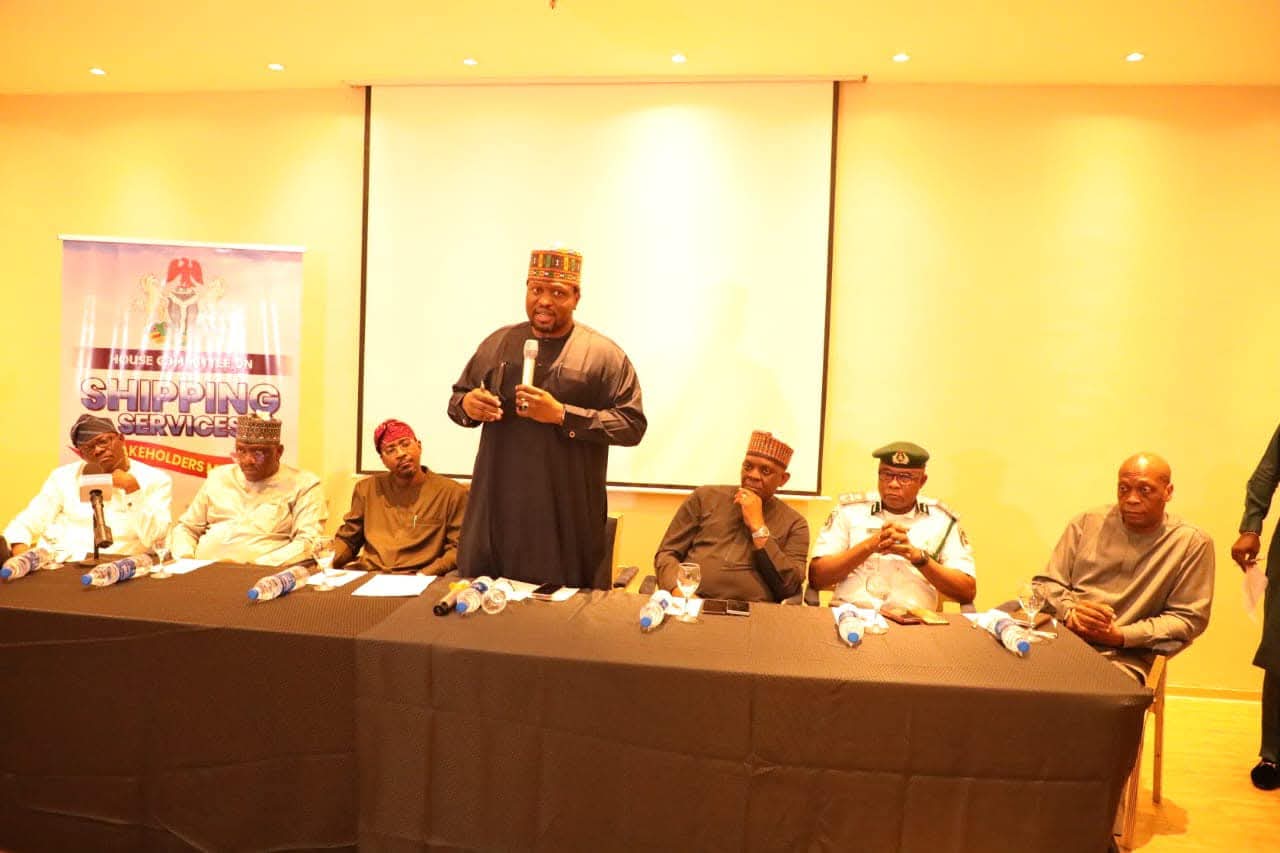
Almost one month after the House of Representatives Committee on Shipping Services issued a three-week ultimatum to stakeholders to settle the lingering disagreement over the controversial tariff increase, there are indications that the matter has been abandoned with no visible intervention or follow-up from the lawmakers.
Checks by our correspondent revealed that the lawmakers are currently involved in primary elections in the various political parties, hence the lack of interests in seeing the end of the intervention which they started and which culminated into a stakeholders’ meeting in Lagos more than one month ago.
The Executive Secretary of the Nigerian Shippers’ Council, Dr Pius Akutah had earlier explained that shipping companies were directed to conclude consultations with stakeholders ahead of a final meeting where reports would be reviewed and a conclusive decision taken.
Although, Mediterranean Shipping Company (MSC) reportedly held a stakeholders’ engagement about three weeks ago, findings by Shipping Position Daily indicate that no comprehensive resolution has been reached, while many stakeholders claim they have been sidelined from the negotiation process.
Industry observers say the silence of the House Committee has heightened suspicions that political distractions associated with ongoing electioneering activities may have pushed the matter down on the priority list, despite growing concerns among importers and freight stakeholders over the economic implications of the tariff hike.
For now, Shipping Position Daily reports that the dispute remains unresolved, while importers continue to express fears that the implementation of the increased charges could worsen the cost of doing business at Nigerian ports and ultimately impact consumers through higher prices of imported goods.
Speaking with our correspondent last week, National Publicity Secretary of the Association of Nigerian Licensed Customs Agents, Emmanuel Onyeme, confirmed that discussions have remained stalled, without any progress noting that the House of Representatives Committee handling the issue has not been forthcoming after its initial intervention.
“We have not agreed yet. Everything is currently on stand still. The House committee has refused to show face. So for now, everything is on stand still,” Onyeme stated.
Also speaking, a top official of the Nigerian Shippers’ Council, who spoke anonymously, admitted that there has been no fresh development from the committee.
According to the source, consultations have continued among some stakeholders since the intervention of the House Committee. He added that some service providers have already commenced implementation of aspects of the reviewed charges based on certain understandings reached during engagements.
“We have not heard anything yet. In fact, Shippers’ Council is currently battling with complaints from the importers,” the source said.
However, importers have faulted the entire process, insisting that those most affected by the tariff increase were deliberately excluded from the negotiations.
In an exclusive chat with Shipping Position Daily last week, Southwest Chairman of the Importers Association of Nigeria (IMAN), Mr. Joseph Ajoku, described the consultations as one-sided and lacking genuine representation of importers.
He argued that importers, who bear the final financial burden of the charges, should have been central to the discussions, instead of being informed after decisions had already been reached.
“The truth about the matter is that there is no negotiation. They only called us to come and announce the decision of the House Committee, NSC and the shipping companies. We were not involved. How can you negotiate without the importers, who are the real owners of the goods? They have not given us their templates. Why are they asking for increment after freight has already been paid from China to Nigeria?” he queried.
The IMAN chairman also maintained that freight forwarders and customs agents cannot fully represent importers in negotiations because they merely provide services on behalf of cargo owners.
“Right now, we are spending between N15 million and N17 million to clear goods. After this increment, what will be the new bill for clearing a 40-foot container? Will it rise to N20 million or N25 million?” he asked.