The Nigeria Customs Service (NCS) has announced sweeping exemptions from the recently suspended 4% Free on Board (FOB) charge, offering major relief to manufacturers as part of a broader effort to stimulate industrial growth and support Nigeria’s economic diversification drive.
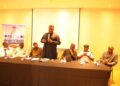
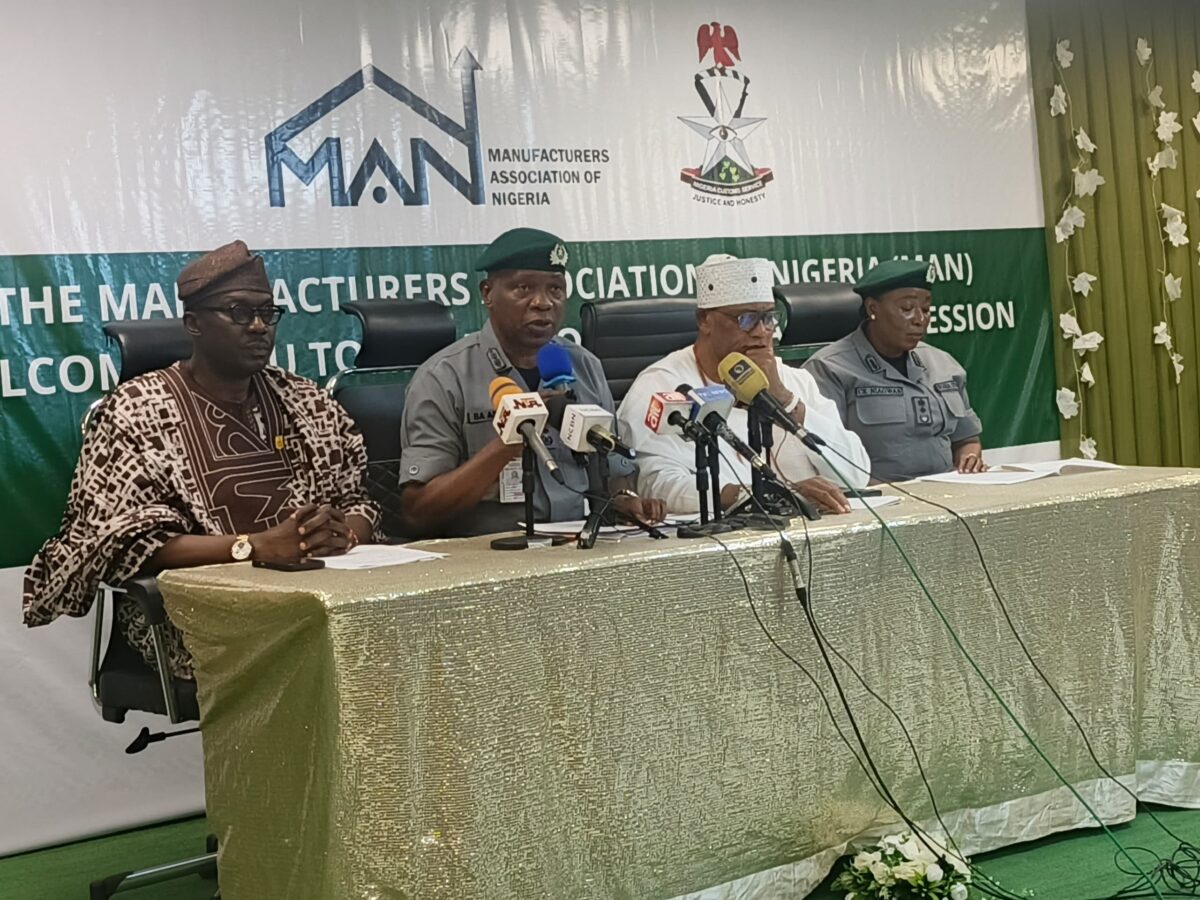
The decision followed a high-level consultation between the NCS and the Manufacturers Association of Nigeria (MAN) in Lagos on Friday. The meeting was convened after the Federal Ministry of Finance ordered a temporary suspension of the controversial charge. The meeting provided an opportunity for both parties to review the impact of the levy on manufacturers and to chart new pathways for trade facilitation under the Nigeria Customs Service Act 2023.
At the end of the dialogue, the Customs Comptroller-General, Bashiru Adewale Adeniyi, disclosed that approval had been secured from the Minister of Finance and Coordinating Minister of the Economy for targeted exemptions covering critical imports. Among the beneficiaries are manufacturers importing raw materials, machinery, and spare parts that fall under Chapters 98 and 99 of the Customs Tariff. Manufacturers already listed under these chapters are advised to apply for pre-release of consignments to avoid demurrage, while those not yet captured will be on-boarded to enjoy similar reliefs.
Adeniyi further explained that manufacturers who have already paid the 4% FOB charge but are awaiting onboarding will have their payments credited for future customs-related transactions. Other categories granted exemption include government projects with valid Import Duty Exemption Certificates, humanitarian and life-saving goods, beneficiaries of the Presidential Initiative for unlocking the healthcare value chain, and commercial airlines importing spare parts.
The consultation also resolved that an immediate tripartite meeting between the Ministry of Finance, the NCS, and MAN will be convened to expedite the onboarding of manufacturers not currently captured under the tariff’s exempted chapters. Adeniyi stressed that the exemptions underscore Customs’ commitment to balancing revenue generation with trade facilitation.
MAN President, Francis Meshioye, welcomed the exemptions and commended Customs for adopting a collaborative approach to resolving the industry’s challenges. He highlighted lingering operational concerns such as multiple checkpoints, recurring alerts in the clearance system, and glitches on the “Bodogwu” platform, urging the Service to sustain reforms that ease the cost of doing business.
In response, Adeniyi outlined several trade facilitation measures already in motion, including the Authorised Economic Operator (AEO) programme, Advance Ruling, and a Time Release Study aimed at reducing clearance delays. He assured manufacturers of continued engagement to align customs procedures with Nigeria’s industrial development goals.
Both parties agreed to establish a formal consultation framework for regular dialogue on customs policies, proactive engagement before the implementation of new charges, and periodic review meetings to assess progress.