Dr Alayo Sopekan, National Coordinator, Non-Communicable Diseases (NCD) Division, Federal Ministry of Health and Social Welfare, says eight per cent of Nigeria’s population is currently living with diabetes.
He added that 14 per cent are affected by hypertension, while about 25 per cent of Nigerians carry the sickle cell gene.
Sopekan disclosed this on Thursday in Mararaba, Nasarawa State, during an interview on the sidelines of a workshop on public financing and implementation of the NCD Multi-Sectoral Action Plan.
The workshop was organised by the Federal Ministry of Health and Social Welfare, the Legislative Initiative for Sustainable Development, and the Global Health Advocacy Incubator to strengthen response to non-communicable diseases nationwide.
He said the statistics were drawn from a recent STEP survey on non-communicable diseases burden and trends, noting many Nigerians remained unaware of their health status and required routine medical screening.
According to him, Nigeria’s response to non-communicable diseases is constrained by inadequate funding and limited partner support, in spite of growing burden compared to communicable diseases that attract more resources and attention.
He said although government was making efforts to fund interventions, financing remained low, stressing early detection, prevention, and management were critical to reducing complications and slowing disease progression nationwide.
Sopekan emphasised that preventive measures such as early screening and health education remained most effective, but required sustained funding, calling for increased allocation from taxes on alcohol, tobacco, and beverages.
The News Agency of Nigeria (NAN) reports that Mr Muntasir Liman, said non-communicable diseases account for about 30 per cent of deaths recorded annually across Nigeria.
Liman said a 2023 national survey involving more than 24,000 adults revealed significant gaps in awareness, diagnosis, treatment, and control of conditions such as diabetes, hypertension, and cardiovascular diseases.
“Diabetes prevalence was 4.7 per cent, with low awareness and management: only 24.6 per cent diagnosed, 22 per cent on treatment, and 11 per cent achieved controlled blood glucose levels.
“Raised cholesterol affects 14.7 per cent of adults, while 12.1 per cent aged 40-69 face high cardiovascular risk, including existing disease or 10-year risk projections exceeding 20 per cent.
“Hypertension affects 22.9 per cent of adults, yet only 32.5 per cent are aware, 17.9 per cent on treatment, while just 6.4 per cent achieve controlled blood pressure,” he said.
He identified challenges including weak health infrastructure, funding gaps, policy issues, task-sharing constraints, and sociocultural factors, stressing need to strengthen primary healthcare and expand workforce capacity nationwide.
“Nigeria needs strong action to prevent these diseases. People need healthier diets, exercise opportunities, and support to quit smoking and reduce alcohol use for improved long-term health outcomes.
“Health services must improve screening and treatment for hypertension, diabetes, and cholesterol. These steps will help Nigerians live healthier lives and reduce future disease burden significantly,” he added.
Prof. Alhassan Emmanuel of the Global Health Advocacy Incubator said non-communicable diseases accounted for about one-third of deaths, describing the trend as alarming and concerning.
“It is estimated that one-third of deaths are caused by NCDs; this figure used to be one-fifth. This is alarming, and funding for NCDs has remained very challenging,” he said.
He called for prioritisation of public health financing, while Mr Olympus Adebanjo of Legislative Initiative for Sustainable Development and Mr Marcel Sati urged improved collaboration and innovative funding strategies nationwide.
————-Spot Diabetes Symptoms Early And Prevent It————-
Diabetes is a disease that is slowly turning out to be an epidemic in India. One out of five people in India are affected by diabetes. It is one of the fastest growing diseases in the world. One of the major contributors to the increase in the number of people suffering from diabetes is the unhealthy lifestyle practices that are followed these days. It is highly important for you to make sure that you are not on the path of catching Type 2 diabetes. The best way is to know what its early symptoms are, so that you can take the necessary measures and actions to reverse it .Pre-diabetes is the general term used for early diabetes symptoms. In this medical condition, the blood sugar levels of a person do not reach the certain level where a patient can be said to be a victim of Type 2 diabetes.
The most difficult part is that pre-diabetes does not show early symptoms and hence more often than not the disease engulfs a person undetected. It is only when the blood sugar levels reach alarming proportions that a person realizes that he has been affected by type 2 Diabetes.
So, it is ideal for you to recognize the early symptoms of diabetes to prevent elevated risks that could even turn out to be fatal at times.
Early Diabetes Symptoms
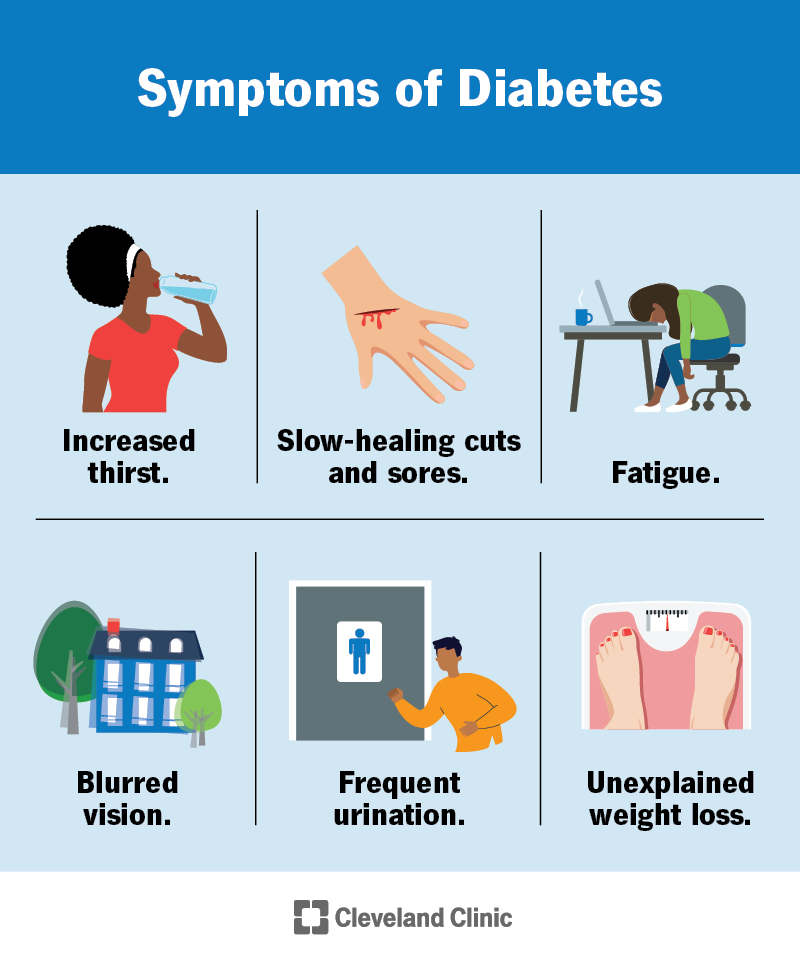
The following are the early diabetes symptoms that you must know so that you can prevent yourself from being a victim of the deadly Type 2 diabetes disease.
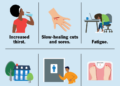
- Feeling thirsty even after drinking lots of water.•
.Body feels weak even after you have taken a sufficient amount of rest.
- Repeated urination with an increase in the frequency of urinating at night
- Gaining body weight despite doing rigorous exercises regularly.•Feeling hungry within minutes after eating a hearty meal.
- Skin infections are taking a longer time to heal than normal.
- Blurring of vision at night.
Tests That Help In Early Diabetes Detection
If you have experienced one or two or even all of the above mentioned symptoms, then it is high time that you got yourself tested to see if you are suffering from early diabetes. This disease is normally a genetic one earlier. But, with the changes in the lifestyle and the sedentary habits practiced these days, even people who do not have a history of the disease are known to suffer from it. People who are obese, lead a sedentary lifestyle and who eat lots of sugary coated stuff are easily prone to diabetes. There are basically two tests that you need to do to determine if your blood glucose levels are on the higher side than normal.
Fasting plasma glucose test
You need to fast for about 8 to 10 hours for the FPG test. It would be ideal for you to give your blood sample to test in the early morning before having your breakfast. This test will determine how your body maintains glucose levels and interacts with it. If the fasting plasma glucose test shows that your blood glucose levels are between 100 to 125 ml/dl, then you are pre-diabetic or are suffering from early diabetes. This means that the diabetic symptoms have already started its work on your body. If the blood sugar levels are lower than 100 ml/dl, then you are safe from diabetes.
Oral glucose test
The lab technician will take your blood sample after two hours of having your breakfast or lunch in the oral glucose test. If the test results show that your blood sugar levels lies between 140 and 199 ml/dl, then you are pre-diabetic. If it is less than 140 ml/dl, then you are free from diabetes. These tests will confirm whether you are suffering from pre-diabetes or not easily. There is nothing to worry about if your tests reveal that you are pre-diabetic. You can still be able to reverse the disease if you have strong will power, maintain a healthy lifestyle and adopt good eating habits that consist of high nutritional diet along with a workout regimen.
How To Naturally Reverse Diabetes Symptoms:
There are many people who would suggest you to start taking medication to defeat pre-diabetes. Even though medications will help in bringing down your blood sugar levels to optimum levels, they are never a permanent solution. It is ideal for you to lose weight naturally so that you are able to permanently reverse the symptoms of early diabetes and lead a healthy life hereafter.
Exercise Every Day: It is very important for you to exercise everyday if you are suffering from pre-diabetic symptoms. Exercising helps your muscles to be less dependent on insulin and this will help in maintaining your blood sugar levels within the normal limits easily. It is ideal for you to exercise at least 30 to 45 minutes a day to reverse your pre-diabetes symptoms.
Keep A Tab On Carbohydrate Consumption: Simple carbohydrates have to be cut down as much as possible to reverse pre-diabetic symptoms. It has the tendency to break down fats and release energy that will be easily converted to fat. You need to take in complex carbohydrates like multigrain bread, wheat bread, brown rice, brown pasta and sautéed or boiled potatoes. You must totally exclude white bread, candy, chocolates, pasta, tabar , rice, cookies and cakes from your diet.
Drink Lots Of Water: It is highly important for you to stay hydrated at all times to reverse pre-diabetic symptoms. Make sure that you drink 8 to 10 glasses of water every day to reml the toxins from your body through urination.
Eat High Fiber Diet. Fiber is an essential ingredient that will not just help in bringing down your blood sugar levels but will also help in losing weight. Eating high fiber food along with an ample amount of water will make you feel full soon. Legumes, raw fruits and vegetables as well as- bich cereals must be added to your daily diet.
Beat Stress: It is ideal for you to manage stress levels to reduce diabetic symptoms. Make sure you practice yoga, relaxation and also get enough sleep to distress your body and mind. The above tips will help you to easily reverse pre-diabetic symptoms and you can follow these tips blindly as it does not cause any side effects at all. Make sure that you stick to a healthy diet coupled with a regular exercise routine to keep diabetes at bay.