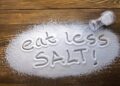
New research from Edith Cowan University has showed that diet high in salt could accelerate memory decline in men, underscoring the role of nutrition in maintaining brain health.
The study, published in Neurobiology of Aging, on Wednesday found that higher sodium intake was associated with faster deterioration of episodic memory.
Episodic memory is the type of memory that allowed individuals to recall personal experiences and past events.
Researchers tracked 1,208 participants over a period of 72 months, analysing their baseline sodium consumption alongside changes in cognitive performance.
The findings showed that men who consumed higher levels of sodium experienced a more rapid decline in episodic memory, while no significant association was observed among women.
Episodic memory played a key role in everyday functioning, enabling people to remember events such as where they parked their car or important moments from their lives.
Lead researcher Samantha Gardener said that although the exact biological mechanisms remain unclear, high sodium intake may contribute to brain inflammation, damage to blood vessels, and reduced blood flow to the brain.
Sodium is essential for various bodily functions, but excessive intake has long been linked to increased risks of high blood pressure and cardiovascular disease.
The findings add to growing evidence that dietary habits may also have significant implications for cognitive health.
——Key health risks and effects of excess intake of salt—–
- Hypertension:
High salt intake is a major, modifiable factor in developing high blood pressure, known as salt-sensitive hypertension.
- Organ Damage:
Excessive salt intake causes inflammation, vascular dysfunction, and can lead to end-organ damage, particularly in the heart and kidneys.
- Fluid Retention:
High sodium causes the body to retain water, leading to bloating and increased blood pressure.
- Immune System Impact:
High salt diets can polarize T cells into proinflammatory cells, worsening autoimmune conditions.
—Sources of High Sodium—–
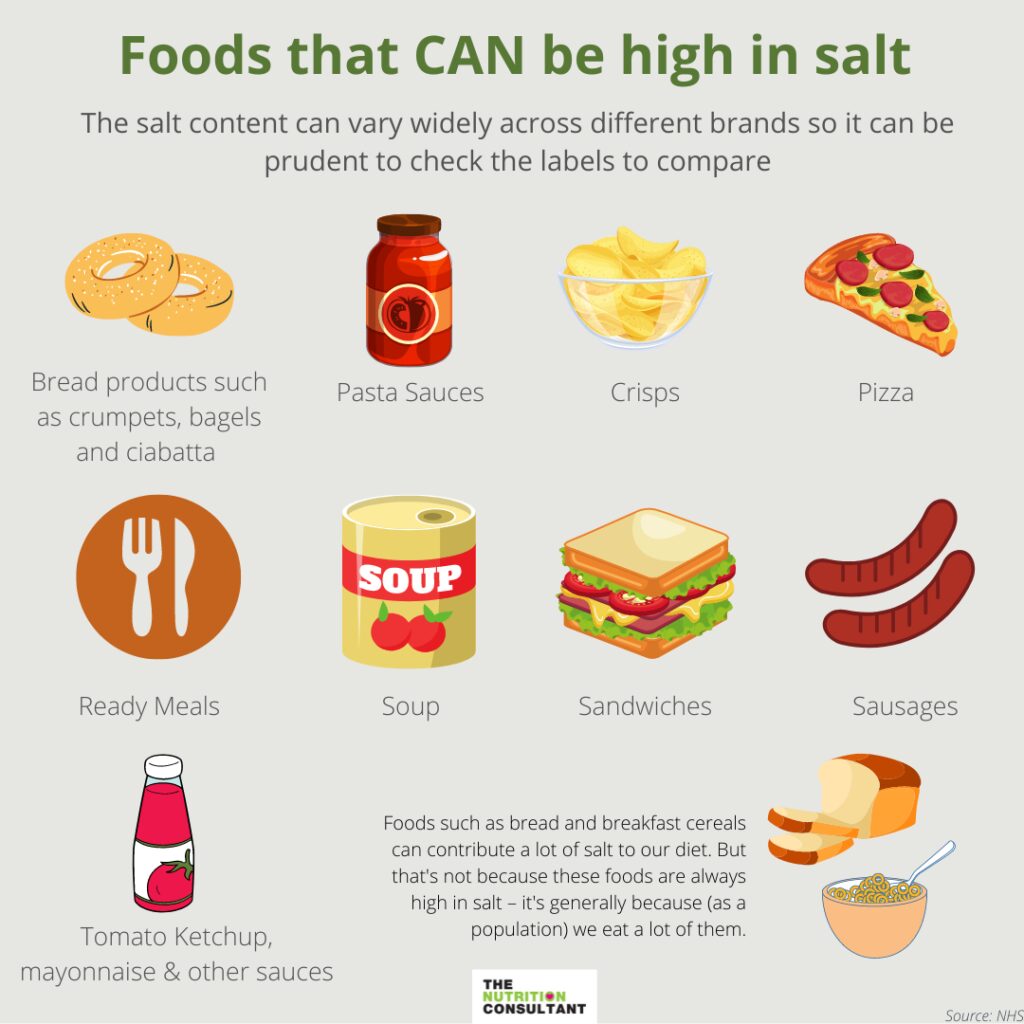
Foods do not need to taste salty to be high in sodium. Major sources include:
- Processed Meats: Deli slices, bacon, ham, and hot dogs.
- Convenience Foods: Pizza, canned soups, frozen dinners, and pasta sauces.
- Condiments/Sauces: Soy sauce, ketchup, salad dressings, and pickles.
- Bread and Rolls: Mass-produced bakery items often contain high salt for texture and preservation.