By Oluyinka Onigbinde
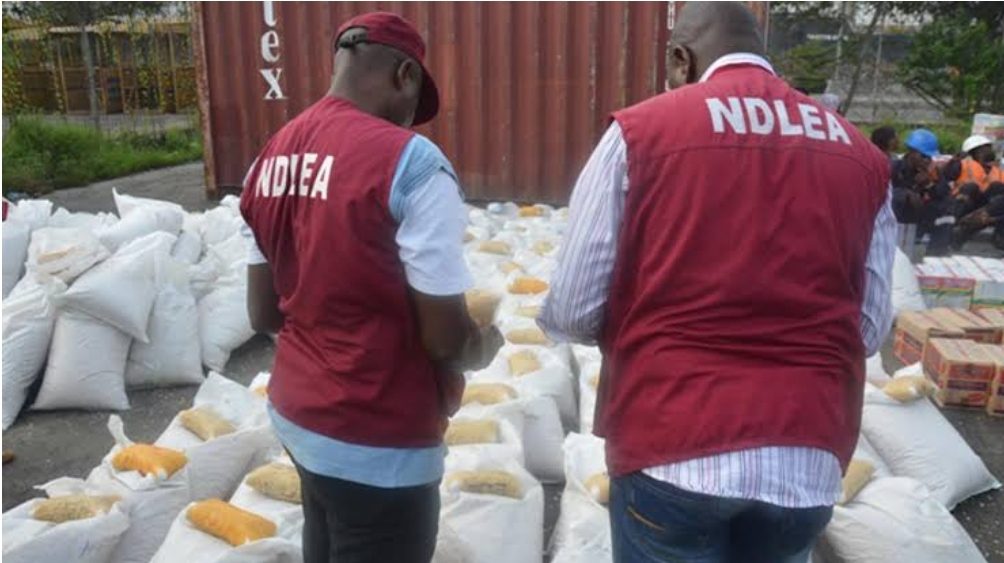
Findings by Shipping Position Daily have revealed that a total of 98,354.75 kilograms of illicit drugs were intercepted across Nigeria’s seaports in the first quarter of 2026, highlighting the scale of narcotics trafficking through the nation’s maritime corridors.
The data from the National Drug Law Enforcement Agency (NDLEA), made available by its Director of Media and Advocacy, Mr. Femi Babafemi, covers seizures and arrests recorded between January and March 2026 at major port commands nationwide.
Although the NDLEA did not give the street value of the illicit drugs, sources placed the value at about ₦23 billion, highlighting the scale and financial magnitude of narcotics trafficking through the nation’s maritime corridors.
A breakdown of the figures shows that Apapa Seaport in Lagos recorded the highest volume of seizures with 71,181.45kg, representing a significant share of the total haul.
Specifically, on January 2, NDLEA operatives, in a joint operation with the Nigeria Customs Service, intercepted 31.5 kilograms of cocaine concealed in hatch three of the vessel MV Aruna Hulya. The vessel and its 22 Indian crew members were detained for further investigation.
Similarly, in February, the agency intercepted 25 containers filled with fake and illicit pharmaceutical products, including codeine-based syrups and sexual enhancement drugs, with an estimated value of ₦9.2 billion.
The Port Harcourt Seaport Command followed with 25,635kg, while Tin Can Island Port accounted for 1,538.30kg. Other seaport commands, including the Lekki Deep Seaport, recorded no seizures within the period under review.
Month-by-month analysis by our correspondent indicates that March recorded the highest volume with 47,130.20kg of intercepted drugs, while January and February posted 25,589.55kg and 25,635kg respectively.
Further analysis of the seized substances shows that codeine-based cough syrup constituted the bulk of the interceptions, accounting for 96,437.45kg. Cannabis seizures stood at 1,885.80kg, while cocaine accounted for 31.50kg. No seizures were recorded for heroin, methamphetamine, tramadol, rohypnol, or diazepam during the quarter.
In terms of enforcement, a total of 10 suspects were arrested in connection with the seizures, comprising nine males and one female. Apapa Seaport accounted for six arrests, including one female, while Tin Can Island Port recorded four male arrests. No arrests were reported at the Port Harcourt Seaport Command despite the high volume of seizures recorded at the port.
Checks by our correspondent showed that the figures underscore the dominance of pharmaceutical opioids, particularly codeine-based substances, in Nigeria’s illicit drug trade via maritime routes. It also highlights the strategic importance of Lagos ports, especially Apapa, as focal points for interdiction efforts.
Significantly, a total of 974 convictions of drug offenders were achieved between January and March 2026. In all, the NDLEA secured the sentencing of 11 major drug kingpins to a combined 254 years in prison.
In a chat with our correspondent, Femi Babafemi reiterated that the agency remains resolute in its efforts to curb the influx of illicit drugs through Nigeria’s maritime gateways, noting that the significant seizures recorded in the first quarter reflect improved intelligence gathering and operational efficiency at the ports.
He stressed that the NDLEA has continued to strengthen surveillance mechanisms and inter-agency collaboration to block trafficking routes exploited by criminal networks.
Babafemi further explained that the dominance of codeine-based cough syrup in the seizures underscores the persistent challenge posed by the abuse and illegal importation of pharmaceutical opioids into the country.
According to him, the agency is intensifying its focus on tracking supply chains and identifying key players behind such shipments, with a view to dismantling the networks responsible.
He added that investigations are ongoing to ensure that all individuals connected to the intercepted consignments are brought to justice. He also reaffirmed the agency’s commitment to sustaining the momentum through enhanced port monitoring, stakeholder engagement, and the deployment of advanced detection technologies.