In this interview during a courtesy visit by the newly-elected executives of the Maritime Reporters Association of Nigeria (MARAN), National Vice President of the Association of Nigerian Licensed Customs Agents (ANLCA), Prince Segun Oduntan, who also studied Mass Communication, shared candid insights on leadership, professionalism and the future of maritime journalism in Nigeria. He speaks on the expectations of the new MARAN leadership, the urgent need to restore ethics and credibility in journalism, the dangers of politicising reportage, and the importance of capacity building for journalists covering the maritime sector. He also reflects on the golden era of newspaper journalism and offers practical advice on sustaining unity, integrity and progress within the association.
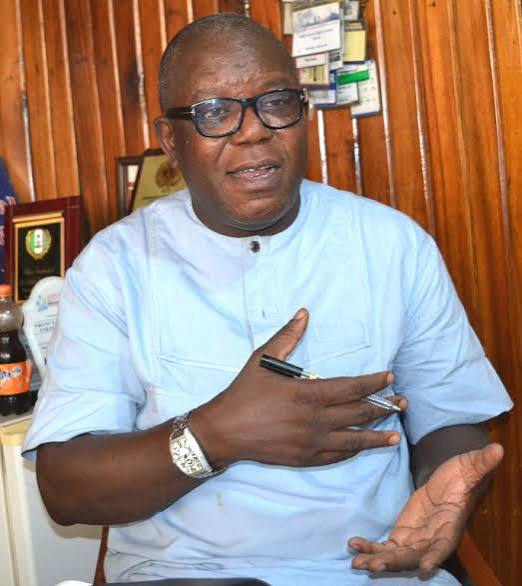
A journalist loyalty should be to the truth and the public interest, not to factions, friendships or political camps
A journalist must maintain independence at all times
What are your thoughts on the emergence of the new leadership of the Maritime Reporters Association of Nigeria?
I have known the current president from the early days of his involvement in the association. I watched his journey closely, especially during difficult periods when some key individuals around him moved on. Despite those challenges, he remained committed and continued to keep things together. That consistency speaks volumes about his dedication, resilience and leadership capacity. Leadership is not always something you can predict from afar. Sometimes people say leaders are born, but true leadership only reveals itself when responsibility is placed on someone’s shoulders. Today, he has risen to become president of MARAN, and that is not a small achievement considering how demanding and competitive the association can be. Many people aspired to that position, but could not attain it. So, for him to emerge at this time shows growth, sacrifice and acceptance among members. My prayer is that God grants him wisdom because leadership is beyond occupying an office; it requires patience, discernment, emotional intelligence and the ability to unite people with different interests and opinions. I believe this leadership presents an opportunity for the association to rebuild confidence, restore professionalism and reposition itself for greater relevance within the maritime industry.
What major challenge do you think MARAN must confront at this critical period?
One of the biggest challenges confronting the association is the gradual loss of direction that has crept into maritime journalism over the years. There was a time when professionalism, credibility and objectivity defined the practice, but somewhere along the line, sentiments, personal interests and unhealthy rivalries began influencing reportage. As journalists, your primary responsibility is to report facts truthfully and objectively. When you write the truth, the story flows naturally because facts speak for themselves. But the moment you attempt to manipulate facts or twist narratives to satisfy personal interests, you begin to struggle because the foundation is already weak. I studied Mass Communication, so I understand the ethics and responsibilities attached to journalism. The profession is supposed to serve as a watchdog for society and an instrument of accountability. Unfortunately, when journalists compromise those principles, the integrity of the profession suffers. The new leadership must therefore focus on reshaping the association and returning it to the path of professionalism. MARAN needs a cultural reset where ethics, discipline, accuracy and fairness become the foundation once again. If that happens, the association will regain its credibility, and stakeholders across the maritime sector will once again see MARAN as a respected professional body worth identifying with.
You spoke passionately about ethics in journalism. Why is this issue so important to you?
Ethics is the soul of journalism. Once ethics disappear, journalism loses its purpose and becomes merely a tool for propaganda, blackmail or personal gain. That is one of the reasons the industry has suffered in recent years. There was a time when journalists wrote stories with depth, courage and thorough investigation. Reporters were respected because people trusted their judgment and professionalism. Today, many government agencies and institutions are no longer seriously challenged because objective and courageous journalism has reduced significantly. We are not saying journalists should become antagonistic or hostile to every institution. That is not professionalism either. But there must be standards, accountability and a sense of responsibility to the public. Journalism should never become an avenue for intimidation or personal vendetta. If someone cannot uphold professional ethics, then perhaps journalism is not the right profession for them. Integrity is everything. Money will always come and go, but credibility takes years to build and only seconds to destroy. The kind of money that pushes people to compromise truth or destroy others unjustly is not worth it. A journalist’s name should stand for trust, balance and integrity. Once people stop believing you, your influence disappears.
You referenced the era of strong newspaper journalism. What lessons should younger journalists learn from that period?
There was a golden era in journalism when newspapers carried enormous influence because readers trusted what they published. People eagerly waited to read newspapers, because the stories were insightful, balanced and intellectually engaging. Back then, journalism was respected because reporters invested time in research, analysis and fact-checking. Readers did not just consume news; they learned from it. Editorials shaped national conversations and investigative reports influenced public policy. That is the standard younger journalists should aspire to. Journalism should not merely be about publishing content quickly; it should be about adding value to public discourse. When people read your story, they should come away more informed, enlightened and thoughtful. Journalism should also help build people, institutions and society. It should create opportunities for growth and development, not become a destructive tool used against individuals or organisations. Young journalists must understand that professionalism and credibility can open doors beyond the newsroom. A respected journalist can become a trusted consultant, adviser, analyst or industry stakeholder. But once credibility is lost, those opportunities disappear.
You also warned against allowing personal or political interests to influence reportage. Why is that a major concern?
I have seen many situations where journalists unknowingly became instruments in personal battles and association politics. Sometimes individuals use journalists to attack rivals or settle scores, and unfortunately some reporters fall into that trap without verifying the facts properly. What usually happens is that someone approaches a journalist with a “story” against another person. The journalist publishes it aggressively, believing they are defending a cause. But later, the same people behind the conflict reconcile privately, while the journalist is left exposed and possibly facing credibility issues. That is why journalists must be wise and careful. Before publishing any allegation or sensitive report, verify the information thoroughly. Do not allow yourself to become a tool in another person’s agenda. A journalist must maintain independence at all times. Your loyalty should be to the truth and the public interest, not to factions, friendships or political camps. Fairness and objectivity are essential. Even when writing critical stories, balance must be maintained. That is what distinguishes professional journalism from propaganda.
What advice do you have for the MARAN executive regarding internal politics and leadership management?
Politics exists everywhere human beings gather. Even within an executive council, people will naturally have different opinions, ambitions and perspectives. So, a president cannot expect everybody to always agree with him on every issue. The important thing is how leadership manages those differences. Leadership requires maturity, wisdom and focus. A good leader must know how to accommodate diverse opinions while still keeping the organisation moving forward. The president should surround himself with people who genuinely believe in the vision of rebuilding the association. Once the focus remains on progress and institutional development, distractions will reduce. I have served as chairman and president in different organisations, so I understand these realities very well. There will always be criticism, disagreements and political interests. But what matters most is maintaining stability and ensuring that the association continues to grow. The leadership must avoid unnecessary division and instead promote unity, inclusiveness and mutual respect among members.
You mentioned that the Association of Nigerian Licensed Customs Agents now enjoys relative peace, because members are empowered. Can you explain further?
Yes, the reason there is relative peace today is because many members now have legitimate businesses and sustainable means of livelihood. When people are financially stable and professionally fulfilled, they are less likely to engage in unnecessary conflicts, blackmail or destructive activities. In the past, some people believed that belonging to associations was mainly about fighting, bullying or attacking others for personal gain. But that mentality is gradually changing because people are becoming more enlightened. When individuals focus on building capacity, developing businesses and improving themselves professionally, they become more productive and responsible. The same principle applies to journalism. Journalists should concentrate on building credibility, expertise and professional value instead of depending on controversies or conflicts for relevance. A respected journalist should be known for knowledge, professionalism and influence, not for blackmail or sensationalism.
What role should seminars, workshops and training programmes play in the future of MARAN?
Training is extremely important because journalism is constantly evolving. The maritime industry itself is highly technical and dynamic, so journalists covering the sector must continually improve their knowledge and skills. Seminars, workshops and capacity-building programmes help journalists understand industry trends, policies, regulations and global best practices. They also improve writing, investigative and analytical skills. The world is now highly interconnected. Information travels quickly, and audiences expect journalists to provide accurate, detailed and intelligent reports. A maritime journalist who lacks industry knowledge will struggle to provide quality analysis. That is why MARAN must prioritise training and professional development. Members should be encouraged to attend seminars, interact with industry experts and learn continuously. An informed journalist is a more confident and responsible journalist. Capacity building will ultimately strengthen both the association and the quality of maritime journalism in Nigeria.
Finally, what is your message to the new leadership of MARAN?
My message is simple: the leadership must change the narrative of the association. MARAN should once again become a symbol of professionalism, credibility and ethical journalism. Members must be encouraged to uphold truth, fairness, discipline and accountability in their reportage. Once integrity becomes the association’s identity again, stakeholders across the maritime industry will naturally respect and identify with MARAN. I believe the emergence of the current leadership has already created a sense of renewed hope because people can see sincerity, direction and commitment. There is already a positive perception that things can improve. As the saying goes, when the righteous are in authority, the people rejoice. Leadership is ultimately about service, sacrifice and impact. I want the new executive to remain focused, avoid distractions and prioritise the collective interest of the association above personal ambitions. If they succeed in restoring unity, professionalism and ethical standards, MARAN will become stronger and more respected than ever before. For my part, I will continue to support the association and its leadership in every way possible because the growth of MARAN is important not just for journalists, but for the entire maritime industry.