The burden of systemic hypertension is rising sharply globally, with increase being seen among young Nigerian adults under 40, physicians have warned.
The experts gave the warning in an interview with the News Agency of Nigeria (NAN), Ibadan, in commemoration of World Hypertension Day on Snnday.
NAN reports that World Hypertension Day is commemorated annually on May 17, with the 2026 theme as “Controlling Hypertension Together”.
Dr Temilade Adeyanju, a Consultant Cardiologist at the University College Hospital (UCH), Ibadan, alerted that the burden of systemic hypertension was rising sharply globally.
Adeyanju says the rise which is not different especially among young Nigerian adults under 40, is driven mainly by unhealthy lifestyles and poor health-seeking behaviour.
She also explained that global bodies defined hypertension differently.
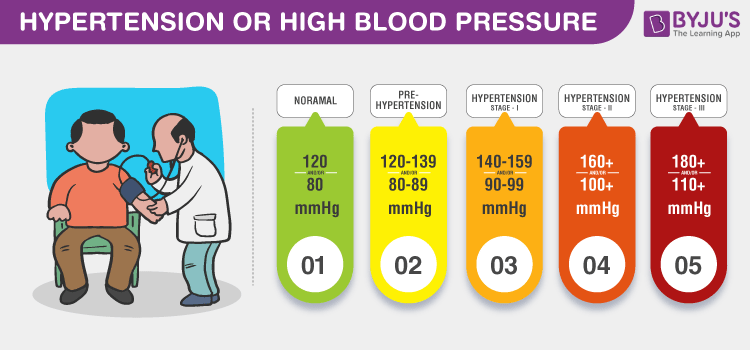
According to her, the Nigerian Cardiac Society, European Society of Cardiology, and World Health Organisation set it at blood pressure above 140/90mmHg.
“The American Heart Association and Center for Disease Control and Prevention (CDC) classify blood pressure above 130/80mmHg as hypertension,” she said.
She added that the average ambulatory readings over 130/80mmHg in 24 hours also confirmed the condition.
She advised people to keep their blood pressure below 120/80mmHg.
“The condition often develops silently with no noticeable symptoms, causing deadly complications.
“Most times affected individuals are unaware they are hypertensive, thus present with complications which leads to preventable morbidity and mortality,” she said.
According to her, hypertension is “a silent killer”, while one in every three to four Nigerian adults is hypertensive.
Adeyanju added that about eight out of 10 undiagnosed hypertensives were seen at hospital emergency already with complications.
She emphasised that for those under the age of 40 years, unhealthy lifestyles and risky behaviours were the main risk drivers, especially with a positive family history.
Other factors that doubled the risk, she said, included dyslipidemia, diabetes mellitus, obesity, uncontrolled blood pressure and chronic inflammatory conditions.
“Ignorance, lack of awareness, and inertia to act remain major barriers.
“Hypertension is preventable and manageable, even when due to secondary causes. Prevention remains the cheapest cost of management.
“Out-of-pocket healthcare costs and poor adherence also hinder good blood pressure control.
“Uncontrolled hypertension leads to stroke, heart failure, myocardial infarction, and chronic kidney disease.
“It can also cause subarachnoid haemorrhage, sexual dysfunction, and blindness,” she said.
The cardiologist urged stronger public education on early detection, routine checks, and regular screening.
“Create awareness and join efforts together to reduce the menace of the silent killer in families, society and the world,” she said.
She stressed that joint efforts by all stakeholders could prevent and control the condition.
She further remarked that consistent advocacy was needed to address risk factors and ensure cost-effective treatment that improves adherence.
“Regular follow-ups and good health-seeking behaviour are equally important,” she added.
She called on the Nigerian government to not relent on efforts to implement policies that deliver good strategies across all levels of healthcare.
“More funding for local data collection, research, and collaboration with the Nigeria Hypertension Society, WHO, Nigeria Cardiac Society, NGOs, and individuals is needed.
“For Nigerians, know your numbers, do your blood pressure checks routinely, it saves you from the silent killer,” she said.
Also, a Public Health Physician at UCH, Dr Ifeoluwa Odedina, warned that a significant number of adults in the city were living with hypertension without knowing it.
Odedina urged Nigerians to make blood pressure checks a routine habit.
He cited a 2025 study by Ibitoye et al., conducted in Ibadan, which found that about 10.2 per cent of adults had undiagnosed hypertension.
Speaking on the effectiveness of screening at the primary health care level, Odedina said the process was simple and practical.
“Screening for hypertension at the primary level is very effective.
“It requires only simple tools like a manual blood pressure machine, and most nurses or community health extension workers can be trained on how to use one,” he said.
However, he noted that uptake remained low because the condition often showed no symptoms in its early stages.
“It is failing because people have low motivation to get themselves checked as hypertension usually does not have any symptoms until it becomes complicated,” he said.
On lifestyle factors, the physician identified high salt intake, stress, and alcohol consumption as major contributors to raised blood pressure in his patient population.
According to him, high salt intake has been found to contribute to raised blood pressure especially in black people.
He explained that living a stressful lifestyle and drinking alcohol were also important factors that made people more vulnerable to developing hypertension.
Odedina also highlighted the impact of health insurance on blood pressure control.
According to him, enrolling in a health insurance scheme makes it easier for patients to access care and stay consistent with treatment.
“Being under health insurance helps people to afford their antihypertensive medications and the tests they need to do for proper monitoring and management, so it is of great advantage,” he said.
For Nigerians looking to assess their risk, he gave a clear call to action.
“Every adult should ensure that they get their blood pressure checked at least twice a year.
“If you do not have hypertension or don’t know, ensure that you get your blood pressure measured.
“Make a note in your calendar to recheck every six months (maybe at the beginning and middle of the year for easy remembrance),” he said.
For those already diagnosed, he stressed adherence to treatment and follow-up to avoid life-threatening complications.
“If you have hypertension already, ensure you keep up your regular clinic visits and take your medications to prevent complications like stroke and sudden death.
“It is also important for everyone to eat less salt, exercise, cut smoking and alcohol drinking as much as possible and avoid living a stressful lifestyle,” Odedina said.
HYPERTENSION NUGGETS
Five signs
People can have high blood pressure for years without realizing it. However, when blood pressure reaches dangerously high levels, five common signs may appear:
- Severe Headaches: Persistent, throbbing, or unusual early morning headaches caused by the extreme pressure.
- Shortness of Breath: Difficulty breathing, even with minimal exertion, caused by the heart working too hard.
- Vision Changes: Sudden blurry vision or double vision resulting from damaged blood vessels in the eyes.
- Dizziness: Lightheadedness or feeling faint due to reduced or altered blood flow to the brain.
- Chest Pain: Discomfort, tightness, or pain in the chest that indicates significant strain on the heart.
Main causes
Lifestyle & Environmental Factors:
- Diet: Consuming too much sodium (salt) or too little potassium can cause fluid retention and vessel strain.
- Weight & Activity: Being overweight or obese forces your heart to work harder, and a lack of exercise promotes weight gain.
- Substances: Smoking, vaping, and excessive alcohol intake damage artery walls and spike blood pressure.
- Stress: Long-term stress and anxiety cause surges in hormones (like cortisol) that elevate your heart rate and constrict blood vessels.
Non-Modifiable Risk Factors:
- Family History: High blood pressure often runs in families.
- Age & Race: The risk increases as you get older. Additionally, Black adults are statistically more likely to develop hypertension and experience it earlier in life.
Underlying Medical Conditions (Secondary Hypertension):
- Kidney Disease: The most frequent medical cause of secondary hypertension.
- Sleep Apnea: Repeated interruptions in breathing during sleep stress the cardiovascular system.
- Endocrine Disorders: Issues like thyroid disease, primary aldosteronism, or Cushing’s syndrome.
- Medications & Stimulants: Decongestants, non-steroidal anti-inflammatory drugs (NSAIDs), hormonal birth control, and stimulants like cocaine or methamphetamine.
Preventing Hypertension
Lifestyle changes can help lower high blood pressure and can help anyone with hypertension. Many who make these changes will still need to take medicine.
These lifestyle changes can help prevent and lower high blood pressure.
DO:
- Eat more vegetables and fruits.
- Sit less.
- Be more physically active, which can include walking, running, swimming, dancing or activities that build strength, like lifting weights.
- Get at least 150 minutes per week of moderate-intensity aerobic activity or 75 minutes per week of vigorous aerobic activity.
- Do strength building exercises 2 or more days each week.
- Lose weight if you’re overweight or obese.
- Take medicines as prescribed by your health care professional.
- Keep appointments with your health care professional.
DON’T:
- eat too much salty food (try to stay under 2 grams per day)
- eat foods high in saturated or trans fats
- smoke or use tobacco
- drink too much alcohol (1 drink daily max for women, 2 for men)
- miss or share medication.
Reducing hypertension prevents heart attack, stroke and kidney damage, as well as other health problems.
Reduce the risks of hypertension by:
- reducing and managing stress
- regularly checking blood pressure
- treating high blood pressure
- managing other medical conditions
- reducing exposure to polluted air.