By Oluyinka Onigbinde
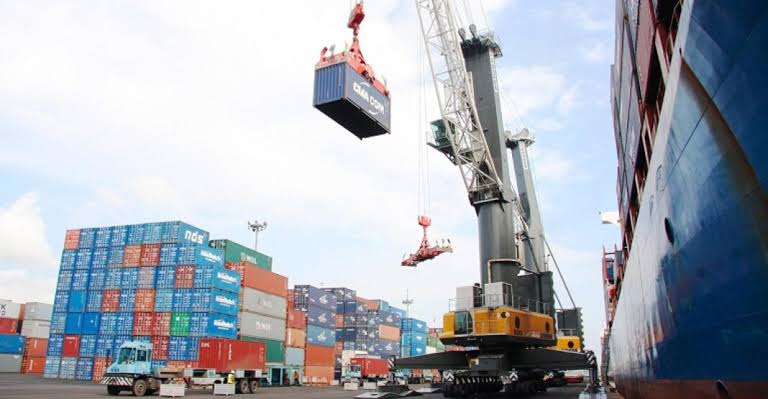
The World Bank has ranked Nigeria’s Apapa Port Complex and Tin Can Island Port Complex among the 20 most improved ports globally, a development that highlights the growing impact of ongoing reforms and modernization efforts at the nation’s seaports.
The recognition, contained in the Container Port Performance Index (CPPI) 2025 released in June 2026, places both Lagos ports in the Top 20 Port Improvement category, reflecting significant gains in operational efficiency, vessel turnaround time and overall port performance.
The latest ranking is being viewed as a major endorsement of the reform agenda being driven by the Nigerian Ports Authority (NPA) under the leadership of its Managing Director, Abubakar Dantsoho, who has spearheaded efforts aimed at modernizing port infrastructure, improving service delivery and enhancing Nigeria’s competitiveness in global maritime trade.
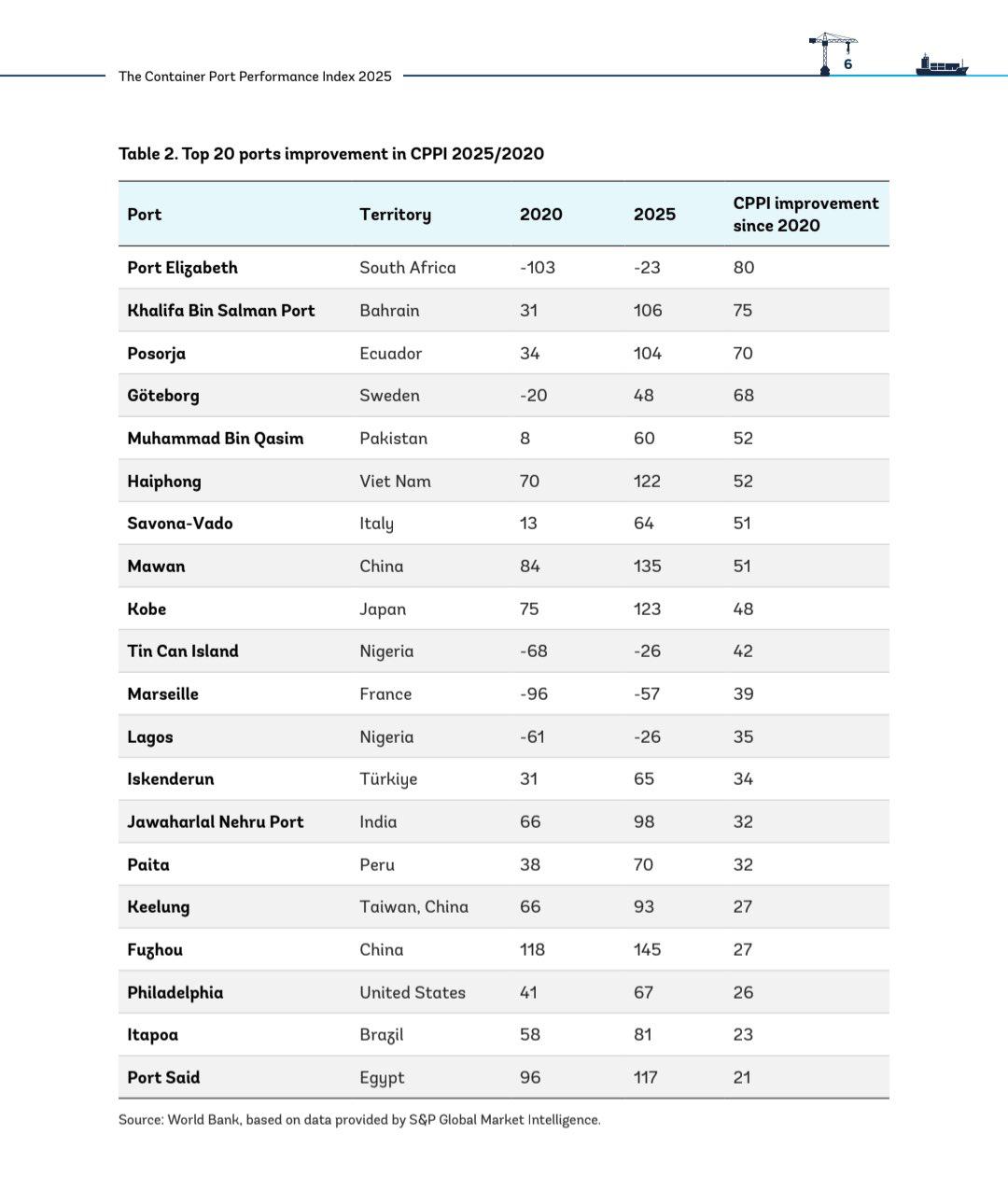
The CPPI, jointly developed by the World Bank, serves as a globally recognized benchmark for assessing port performance. The index evaluates ports based on the time vessels spend in port and provides a data-driven framework for comparing operational efficiency across ports worldwide.
The recognition also comes at a time when Nigeria has recorded successive trade surpluses, a development stakeholders attribute partly to improved port operations and enhanced trade facilitation measures.
According to recent figures released by the National Bureau of Statistics, the country recorded a trade surplus of ₦7.54 trillion in the first quarter of 2026, underscoring the critical role of efficient port operations in supporting economic growth, export expansion and international commerce.
Reacting to the World Bank ranking, Dantsoho credited the achievement to the economic and investment policies of President Bola Ahmed Tinubu as well as the support of the Minister of Marine and Blue Economy, Adegboyega Oyetola.
According to him, the administration’s investor-friendly policies have provided the momentum needed to accelerate investments in port infrastructure and equipment modernization, while creating an enabling environment for reforms designed to boost operational efficiency.
“With the investor-friendly policies of President Bola Ahmed Tinubu providing the impetus for increased investment to drive our port infrastructure and equipment modernization programme, coupled with the unflinching support of the Honourable Minister of Marine and Blue Economy, Adegboyega Oyetola, we have all it takes to further enhance trade facilitation, improve competitiveness and boost the national economy,” he said.
Maritime stakeholders believe the World Bank recognition could enhance investor confidence in Nigeria’s port industry and encourage additional investments in terminal operations, logistics services and maritime infrastructure.
The development is also expected to reinforce Nigeria’s aspiration to become a leading trade and logistics gateway in West Africa, leveraging its strategic location, expanding market size and ongoing reforms within the marine and blue economy sector.