By Adebowale Bello
Humans have devised means of harnessing nature’s numerous gifts and use them to improve their health and well-being. In Africa, one of these gifts of nature is bitter kola which is scientifically known as Garcinia kola.
In the three major ethnic languages of Nigeria (Hausa, Ibo and Yoruba), bitter kola is referred to as Namijin Goro, Aku ilu and Orogbo respectively.
Even though the name implies its taste, this fruit has been used for centuries in traditional African medicine and cultural practices. Traditional medicine is gaining a foothold and many countries are integrating it into their healthcare system. A whopping 80% of African countries rely extensively on traditional medicine thus emphasising its importance.
It’s no surprise therefore that bitter kola plays a major role in traditional healthcare as it’s packed with a variety of nutrients.
What Is Bitter Kola?
The bitter kola tree is native to the lush rainforests of West and Central African countries such as Ghana, Nigeria, Cameroon and Gabon. These evergreen trees can grow up to 30 metres tall, although they typically reach heights of 12 to 15 metres.
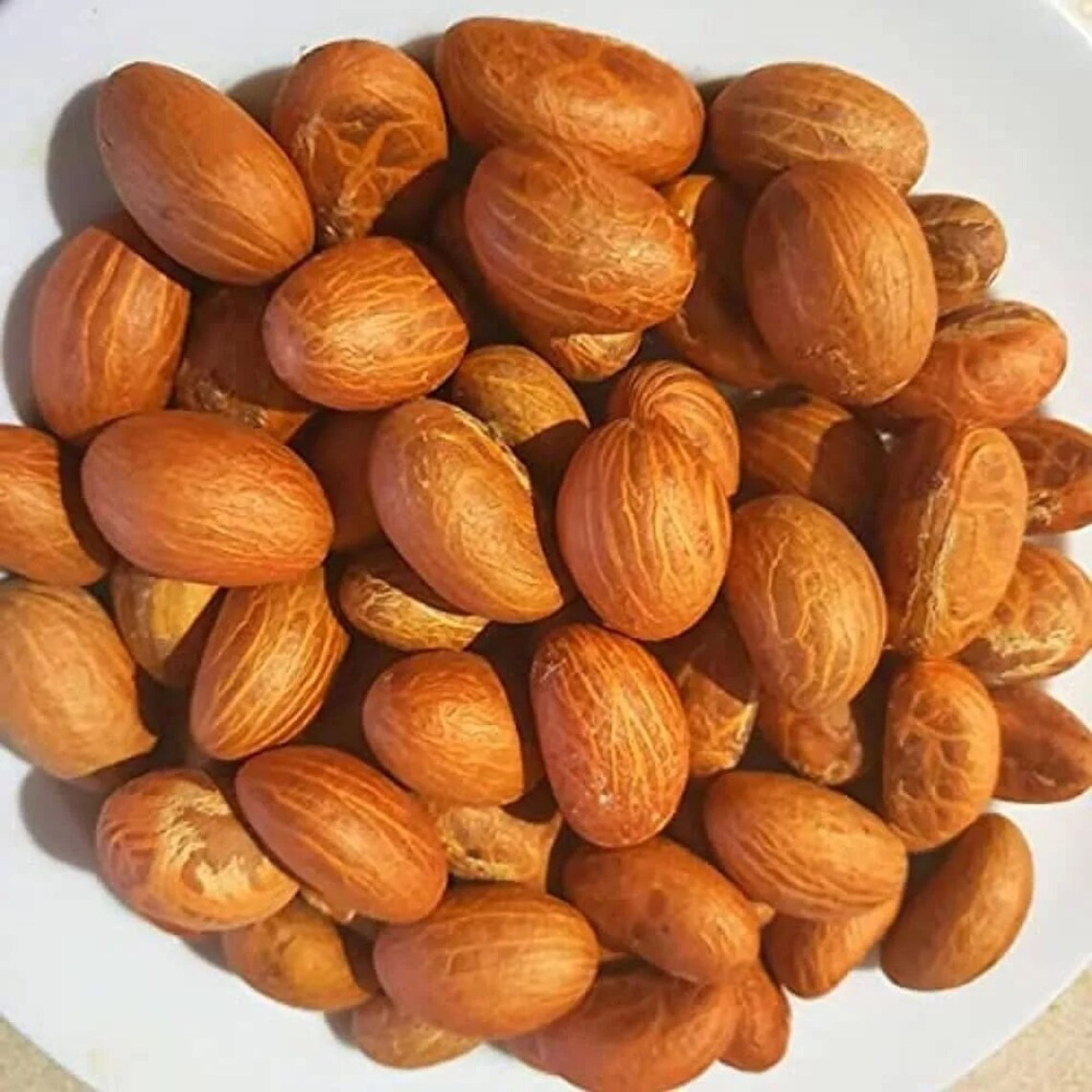
The fruits are rounded berries, sometimes slightly flattened. Within these fruits lie the prized bitter kola seeds, which resemble kidney beans in shape (figure 3). Although the seeds have a notably bitter taste, there’s a subtle late chewing sweetness that makes them unique and memorable.
Bitter kola isn’t just about its bold, bitter taste when eaten raw, it is packed with various essential nutrients.
Studies have revealed that bitter kola contains vitamins and minerals such as vitamin C, potassium, calcium and phosphorus, all of which help in immune building. It also contains carbohydrates, fat and protein.
10 Health Benefits of African Bitter Kola
Bitter kola boasts a variety of compounds which play a key role in its multi-protective ability. Some of these compounds like Garcinianin, Kolaviron and Gakolanone can only be found in bitter kola.
If you don’t eat bitter kola, here are 10 reasons why you should try it out.
- Protects Against Malaria
As the malaria parasite becomes resistant to drugs, it’s necessary to look at other avenues. Bitter kola contains Kolaviron, and studies have shown it is effective against malaria.
On studying its effect in mice induced with the malaria parasite, it was discovered that this compound destroys enzymes produced by the malaria parasite while protecting the red blood cell from further damage.
However, further research is required to support this scientific study.
- Has Antibacterial Properties
Research has shown that bitter kola may contain chemical agents (benzophenones and flavanones) that are useful in fighting against bacteria. Some of the bacteria that bitter kola has proven effective against include Staphylococcus aureus, Streptococcus faecalis, Escherichia coli and Klebsiella sp.
Eating or taking extracts of bitter kola blended with honey has been shown to help combat coughs, bacterial and viral infections.
- Contains Antioxidants for Immune Boosting and Brain Health
Antioxidants are compounds that prevent cell damage by neutralizing cellular waste products known as free radicals. Bitter kola contains several antioxidant-containing compounds like flavonoids, anthocyanins and phenolic acids.
This protective ability improves your immune health, sharpens brain function and mental health.
- May Protect your Liver
Though it is unclear how the mechanism works, research suggests that bitter kola may protect the liver. It is suggested that this is possible through the production of enzymes that detoxify drugs.
- Relieves Rheumatism Due to Anti-Inflammatory Effects
The enzyme Cyclooxygenase creates two chemicals – COX-1 and COX-2, and they play a key role in the inflammatory process. Nitric oxide is also present in large amounts during inflammation.
Bitter kola contains anti-inflammatory properties that reduce or inhibit these compounds, thereby preventing swelling and body pain especially with regards to fevers and aches.
Africans have been known to chew on bitter kola for the relief of knee pains due to arthritis.
- Has Anti-diarrhoea Effects
Tannins found in bitter kola and their secondary metabolites have been known for their natural treatment of intestinal disorders such as diarrhea and dysentery.
- Anticancer and wound healing
Tannins have also been reported to have remarkable potential in cancer prevention. Together with phlobatannins they exhibit wound healing properties.
- Aphrodisiac
African folklore acclaims the chewing of bitter kola for its male invigorating aphrodisiac properties. However, a recent study in rats found no supporting evidence for this claim.
Whether the finding in animal studies can be directly translated into humans is debatable. More clinical research is needed to validate the folkloric pro-sexual effects of bitter kola on human males.
- Effect on Cardiovascular Health
A recent systematic review concluded that Kolaviron (KV) is helpful in managing CVD risk factors such as reducing hypertension, cholesterol, triglycerides, low-density lipoprotein (LDL) and increasing high-density lipoprotein (HDL) in animal models. This potentially makes KV a good medicinal (therapeutic) target for the management of cardiovascular diseases in humans.
More clinical research is needed to validate this potential.
- Antidiabetic Agent
The compound Kolaviron in bitter kola has been the subject of research for decades. A 2013 study aimed at determining the effect of bitter kola on diabetic rats showed an increase in insulin levels which lowered their sugar levels, hinting at the possibility of bitter kola as an effective antidiabetic. [12, 13].
Who Should Not Eat Bitter Kola?
At the moment, there are no scientific studies that assign any side effects to eating bitter kola. However, you should not eat bitter kola if you’re allergic to nuts.
If you are on medications, consult with your doctor first to know if bitter kola is safe for you to eat.
Additional Info:
What is the side effect of bitter kola in the body?
Excessive consumption of bitter kola can cause side effects primarily driven by its caffeine and stimulant content, including insomnia, stomach irritation, and increased heart rate or blood pressure.
Stimulant and Heart Effects
- High Blood Pressure: Can raise blood pressure levels, posing risks for people with hypertension.
- Fast Heartbeat: May cause heart palpitations or a faster pulse.
- Restlessness: Can lead to nervousness, anxiety, or tremors due to overstimulation.
Digestive and Sleep Issues
- Insomnia: Can prevent sleep and disrupt normal rest schedules.
- Stomach Upset: May trigger nausea, heartburn, or general digestive discomfort when eaten in large amounts or on an empty stomach.
How many bitter kola should I eat per day?
For most healthy adults, consuming 1 to 2 bitter kola nuts (maximum of 3) per day is considered a safe limit. Eating more than this can lead to unwanted side effects due to its high caffeine and stimulant content.
Safe Intake Guidelines
- 1 to 2 nuts daily: Generally accepted for normal health maintenance and energy.
- Avoid excess: Eating large amounts can cause rapid heart rate, trouble sleeping, or upset stomach.
- Timing: Best eaten after a meal rather than on an empty stomach.
Health Considerations
- Contains stimulants like caffeine and kolaviron which offer anti-inflammatory and antibacterial effects.
- People with high blood pressure, heart issues, or those taking blood thinners should consult a healthcare professional before regular use.