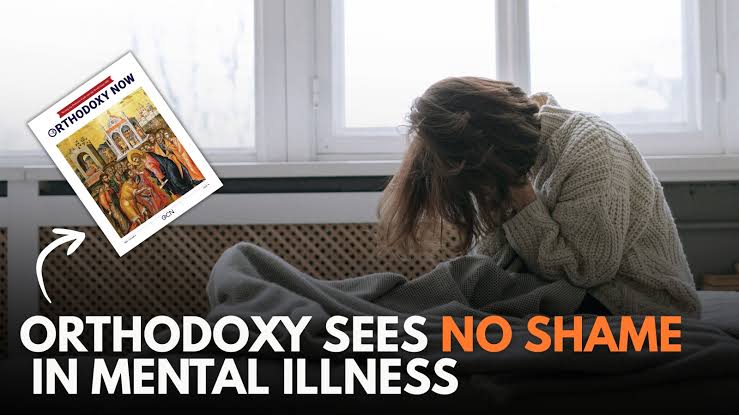
Dr Salau Abiola, a Consultant Psychiatrist with the Federal Neuro-psychiatric Hospital Yaba, has urged Nigerians to stop attributing psychiatric conditions to spiritual attacks, calling for intensive educational campaigns to dismantle these deep-seated myths.
Decrying the prevailing societal tendency to view clinical brain disorders through a supernatural lens, Abiola emphasised that mental health struggles were medical realities rather than spiritual warfare.
In an interview with the News Agency of Nigeria (NAN) on Thursday in Lagos, the medical expert stressed that replacing superstitious beliefs with scientific awareness was crucial to reforming the country’s healthcare landscape.
Abiola warned that attributing neurological issues to spiritual forces hampered critical clinical intervention, worsened patient outcomes, fostering a toxic culture of isolation.
“Unfortunately, there are lots of spiritual attachments to mental illness, which are not supposed,” Abiola stated, urging the public to begin viewing psychiatric disorders the same way they view other treatable physical ailments.
To counter these deeply entrenched cultural superstitions, the psychiatrist called for a systematic overhaul in how the public perceives mental health.
“There is need for increased educational interventions with the goal of correcting misinformation and contradicting negative beliefs on mental illness.
“It can be through stakeholders engagement, community and schools enlightenments to strategically change the negative mindsets toward the condition.
He underscored the need for educational campaigns that provided information about the biogenesis of mental illness, which would highlight the genetic components of schizophrenia and other mental illnesses.
“By understanding the biological roots of these conditions, the public can begin to separate an individual’s core identity from their clinical diagnosis.”
He said people should be made to recognise someone’s identity outside of his/her illness, because an individual’s diagnosis was not the defining factor of his/her identity.
According to him, this level of societal re-education can be effectively achieved through aggressive, sustained advocacy.
On the deadly impact of social stigma, Abiola decried the high level of stigma attached to mental illness in Nigeria, describing it as a massive developmental setback and a major factor limiting access to professional healthcare.
According to him, social stigma not only leads to an increase in patient relapse but also severely damages the therapeutic alliance between doctors and patients.
“We should stop stigmatising people who are struggling with mental health conditions; this can actually drive them into more serious issues like suicide or death,” Abiola warned.
“We should look at them with empathy that these people are sick; it’s just a disease, and one does not choose to suffer from mental health illness,” he said.
Aside from societal prejudice, Abiola noted that patients often suffer from internalised shame, known as self-stigma, which acts as another formidable barrier to recovery.
To address self-stigma, he highlighted the indispensable role of psycho-education, social support, family intervention, and public education in correcting negative beliefs.
He urged individuals suffering from mental conditions to actively resist self-perceived stigmatisation and refuse to internalise shame.
“Unfortunately, negative attitudes and beliefs toward people who have mental health conditions are common in Nigerian society,” Abiola observed.
He said, “Don’t let stigma create self-doubt and shame, don’t isolate yourself or equate yourself with your illness. Always seek for help and speak out against stigma.
“Also pay more attention to the symptoms and effects of mental illness than you do to other aspects of yourself.”
Ultimately, Abiola underscored the need for the public to perceive mental health illness like any other treatable disease.
He reiterated that unless the society replaces spiritual superstition with medical empathy, stigmatisation will continue to drive vulnerable individuals into more serious, life-threatening health issues.