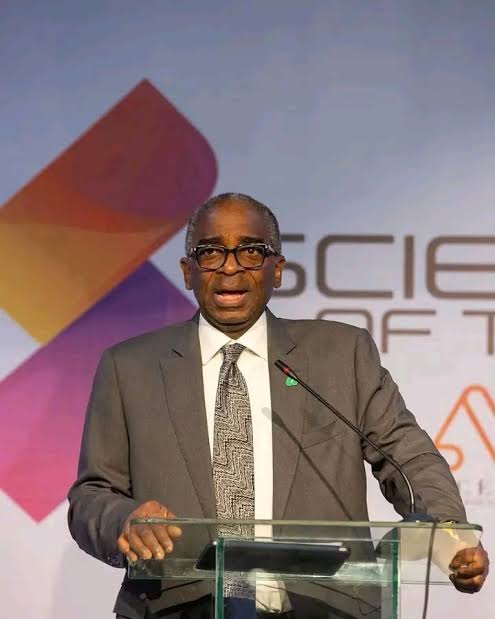
Nigeria’s continental trade community has been thrown into mourning following the death of Segun Awolowo, former Executive Director/Chief Executive Officer of the Nigerian Export Promotion Council (NEPC) and Secretary of the National Action Committee on the African Continental Free Trade Area (AfCFTA). He was 62.
Awolowo, a grandson of the late Obafemi Awolowo, served as one of Nigeria’s most prominent champions of the AfCFTA agenda, playing a central role in shaping the country’s readiness roadmap for the agreement. His family confirmed his passing on Thursday in a statement, without disclosing the cause of death.
Awolowo, who led the NEPC between 2013 and 2022, became a major voice for export diversification and cross-border competitiveness during Nigeria’s preparation for the AfCFTA rollout. In 2021, he was unanimously elected President of the National Trade Promotion Organisations (TPOs) from ECOWAS member states, a position that strengthened his influence in regional trade facilitation efforts.
His appointment in 2023 as Secretary of the AfCFTA National Action Committee placed him at the forefront of Nigeria’s push to dismantle internal bottlenecks ahead of full continental trade integration. He coordinated policies relating to export expansion, rules of origin, trade infrastructure, and Nigeria’s commitments under the AfCFTA implementation framework.
Born on 27 September 1963, Awolowo lost his father—Segun Awolowo Sr.—to a car accident two months before he was born. He began his early education at Mayhill Convent School, Lagos, before attending Igbobi College, Yaba, and Government College, Ibadan. He later studied law at the Ogun State University (now Olabisi Onabanjo University), graduating with an LLB.
The Awolowo family, while announcing his death, described him as a devoted family man whose life impacted many.
Awolowo’s passing marks a significant moment for stakeholders monitoring Nigeria’s readiness to fully leverage the AfCFTA, especially as the country continues to grapple with issues around export competitiveness, trade logistics, and regulatory alignment.